Percées, discoveries and DIY advice sent every day of the week.
Good international red panda day! These endangered mammals are found in the summits of Nepal, India, Bhutan, Myanmar (Burma) and China and are the most closely linked to the Ratons washer. Less than 10,000 red pandas remain in the wild and loss of habitat is their main threat. In Nepal, their habitat is already fragmented in 400 small forest plots.
Since 2007, the Red Panda Network has protected red pandas and their habitat thanks to community conservation programs in Nepal. For International Red Panda Day of this year, the organization is associated with musicians to launch a musical project called HABRE. The word skillful Means Red Panda in Nepalese and the wellness and meditation album of eight songs entitled “Bamboo Dreams” will help connect the listeners with the native Himalayan habitat of the Red Panda.
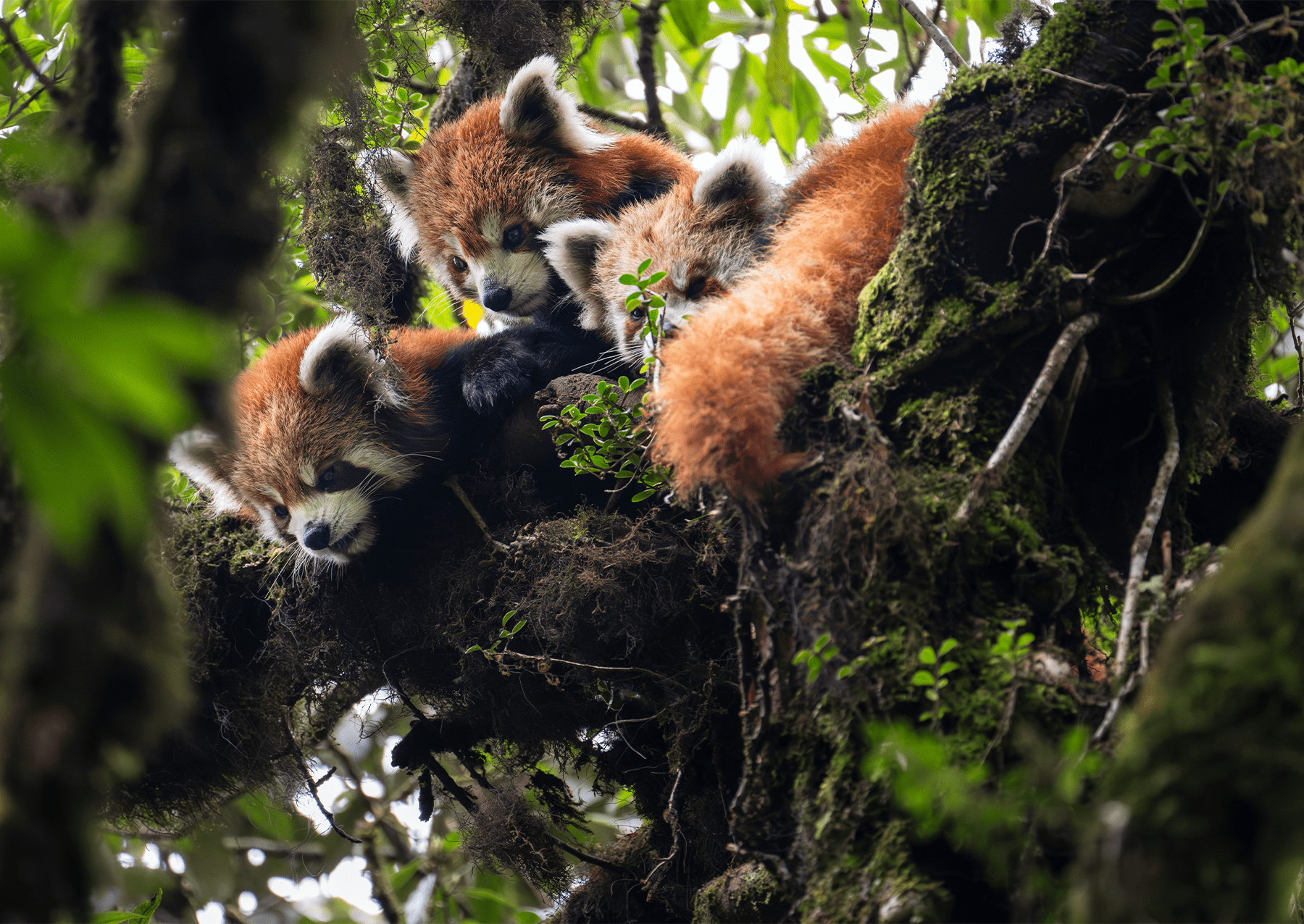
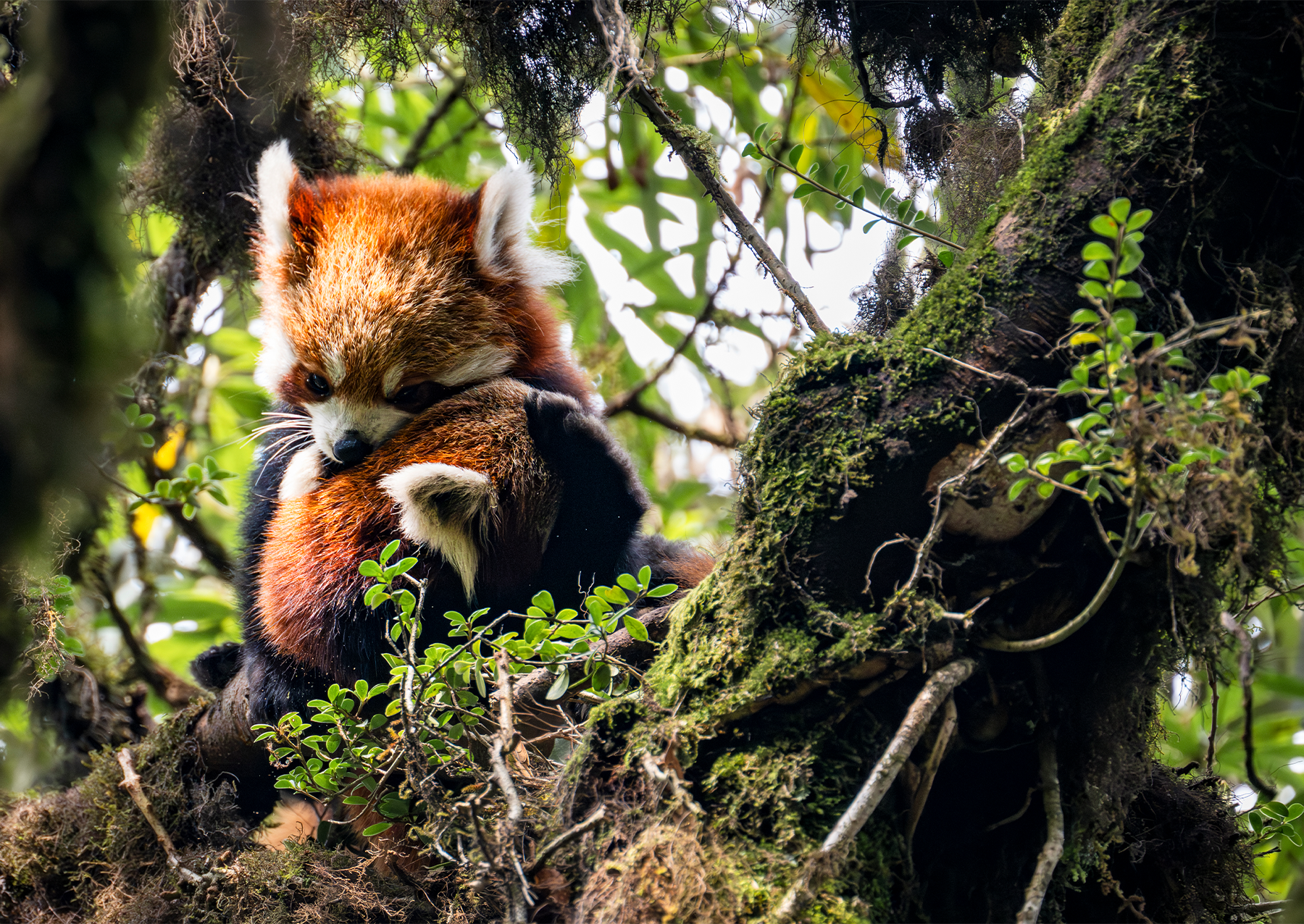
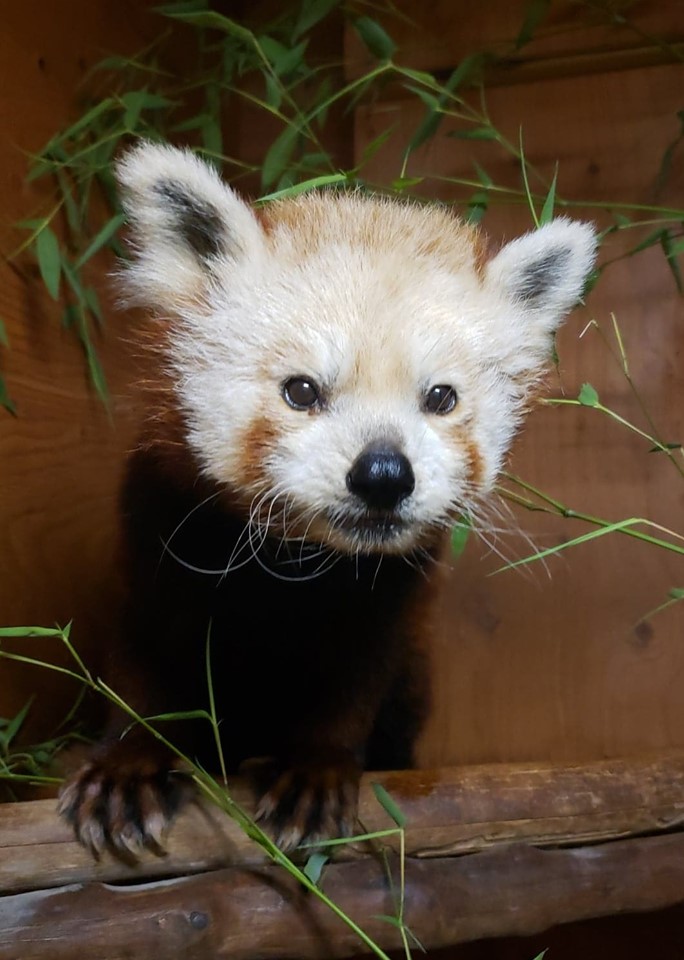
These fur animals, elusive and certainly really cute are presented below. (Click to extend the images in full screen.)
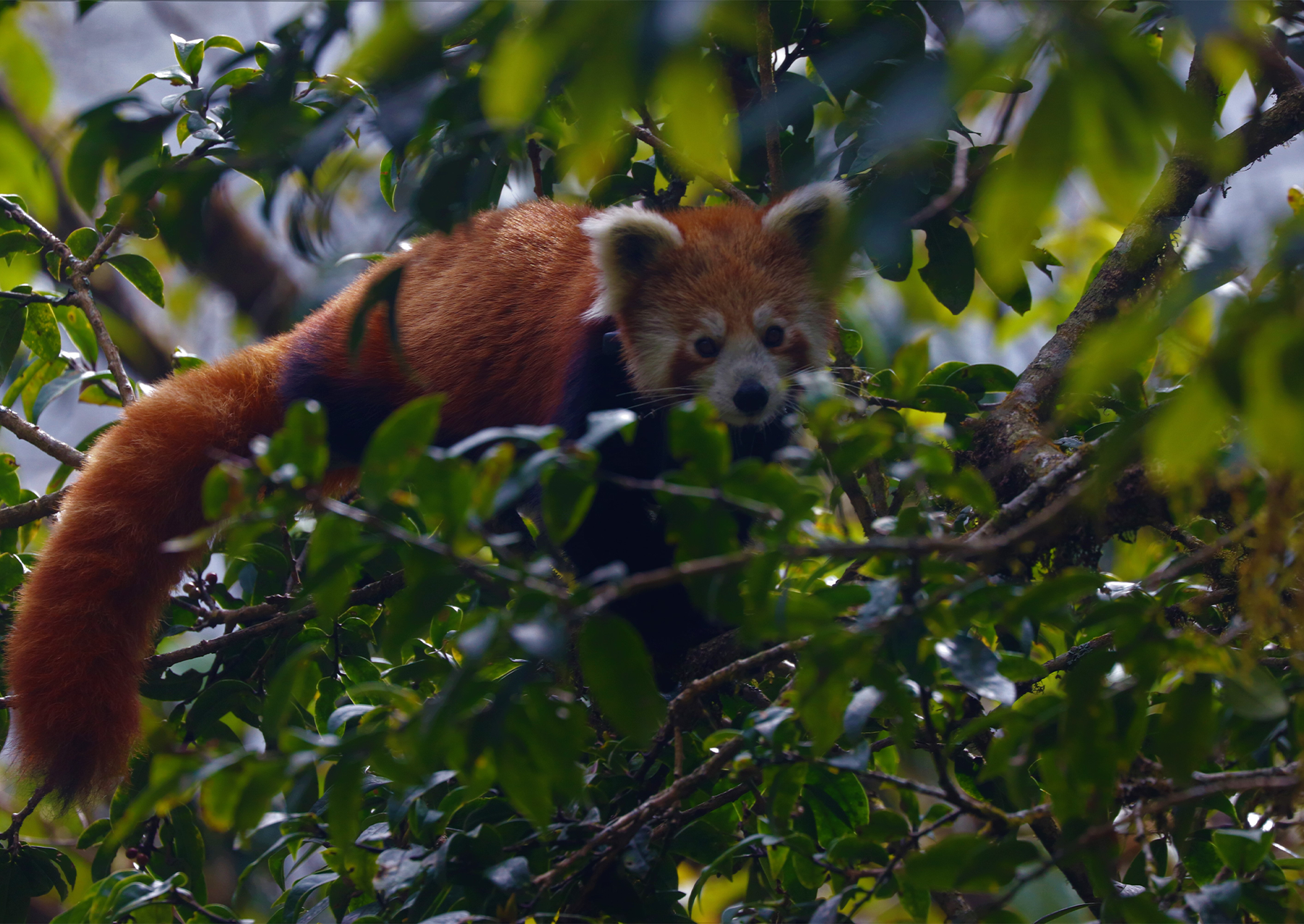
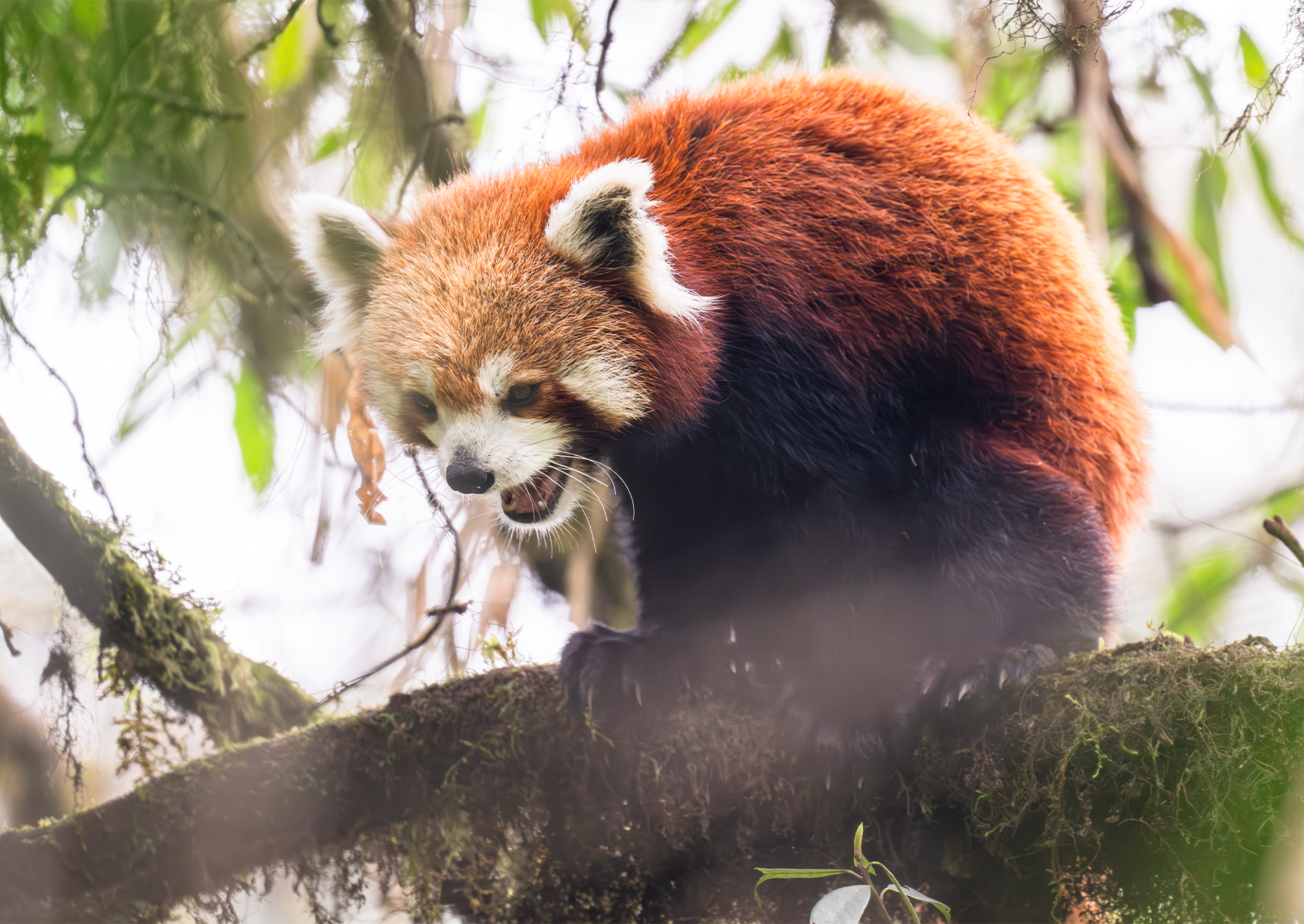
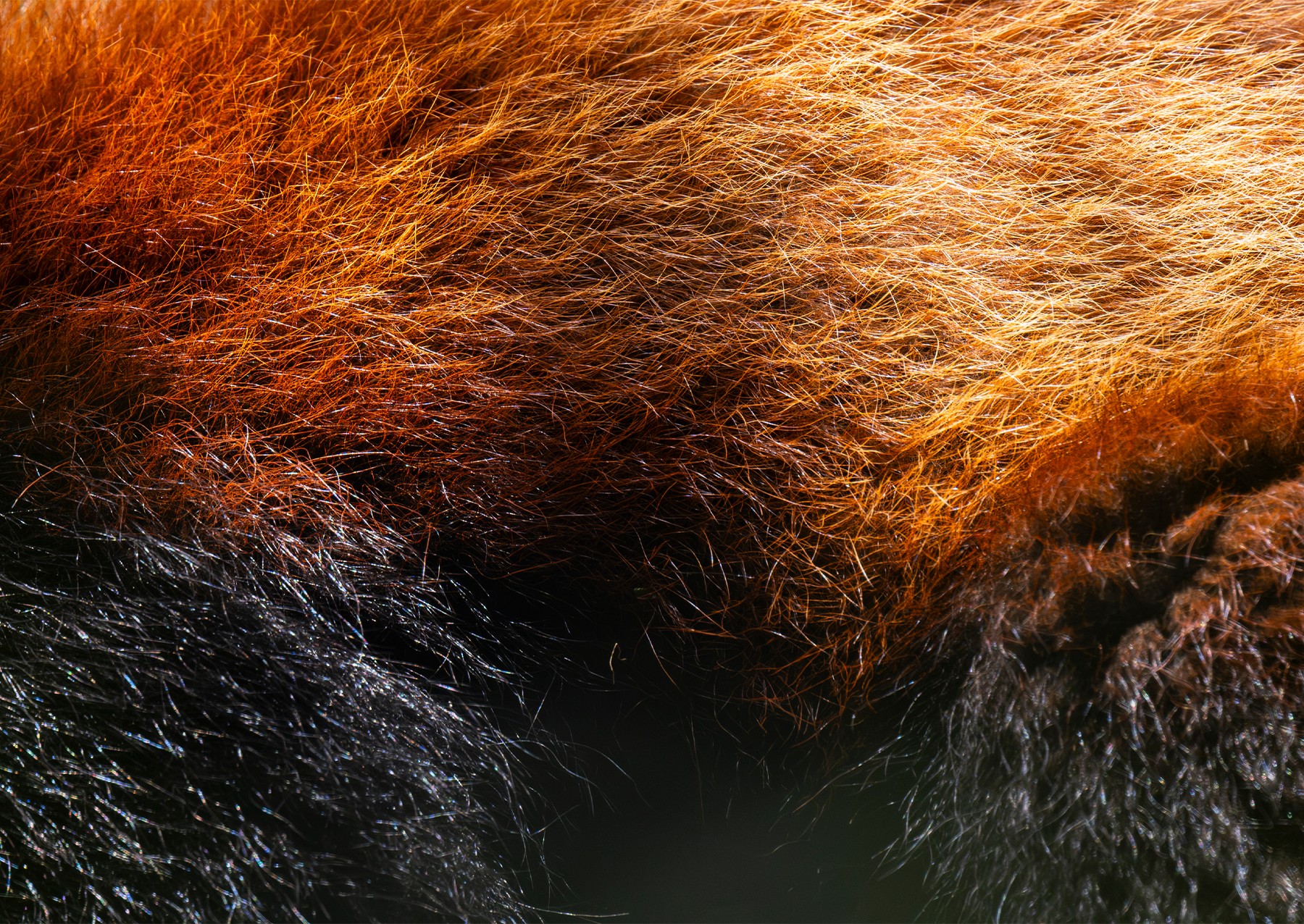
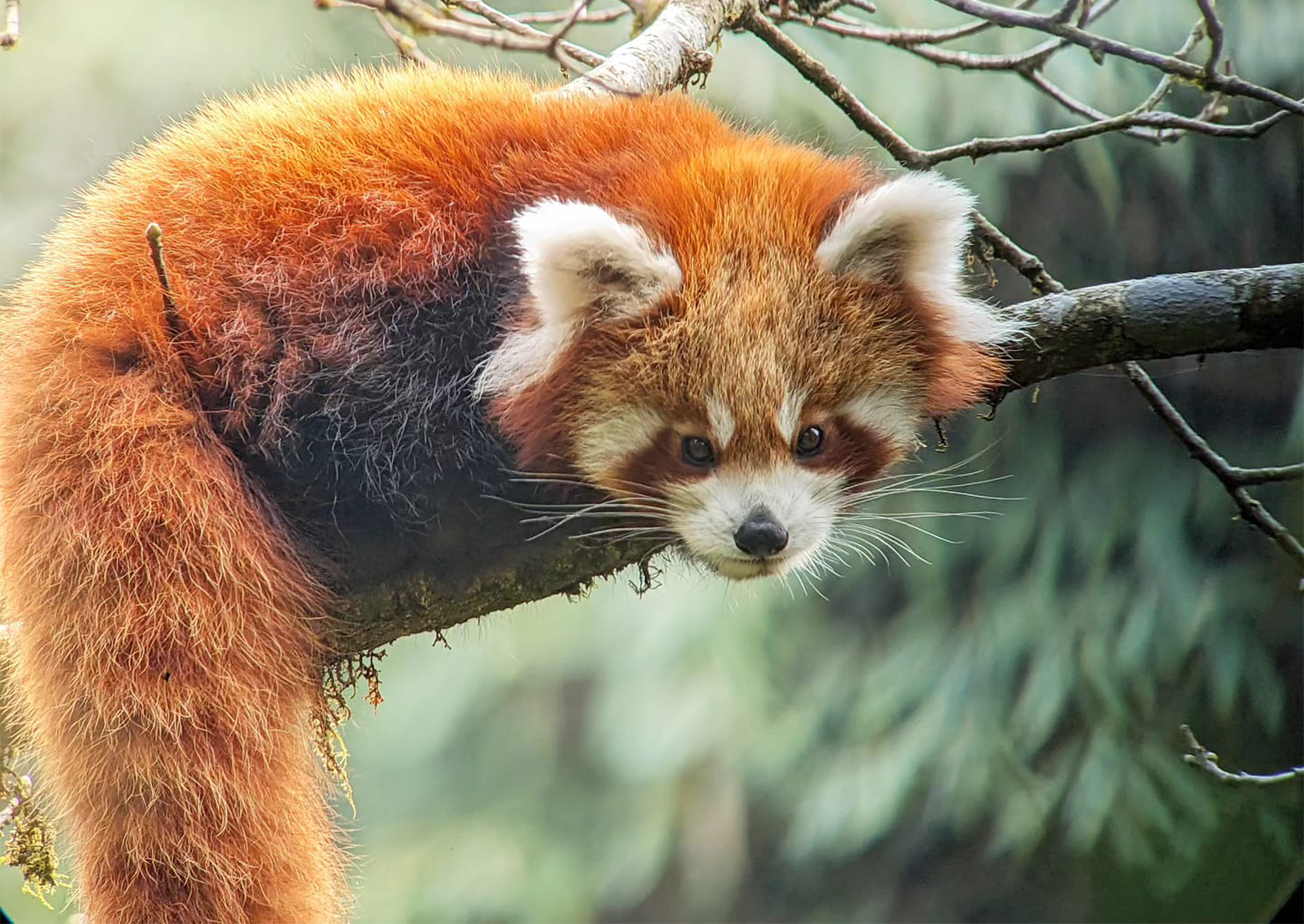
Red pandas live in temperate forests with large bamboo with bamboo sub-stems at altitudes between 7,874 and 12,795 feet. Credit: Red Panda Network. Red pandas mainly eat bamboo leaves – and many of them. They can only digest 24% of the bamboo they eat, so they have to eat 20 to 30% of their body weight every day. This amounts to around 2 to 4 pounds of bamboo shoots and leaves. Red pandas will also eat grass and fruit and sometimes an egg, an insect, a small animal or a bird. Credit: Red Panda Network.The red pandas are in eastern Himalayas in Nepal, India, Bhutan, Myanmar (Burma) and China. He was photographed in Nepal. Credit: Red Panda Network.The cubs generally come in half, but a litter can have as little as one or up to four babies. Cubs generally leave their nest when they have three months, but will stay with their mother until the start of the next breeding season. These cubs were photographed in Nepal. Credit: Red Panda Network / Axel Gebauer. When the red pandas feel caused or threatened, they will swing their heads, will hide the tail or stand on their hind legs. They also produce a variety of strong noises like the “Huff-Quack” and a warning whistle. Credit: Fabian Muehlberger / Red Panda Network.The red and black color of the fur helps to camouflage them with their predators. Red is the same color of the foam on the trees where they live, while black on their stomach makes it difficult for predators to see them from below. Credit: Fabian Muehlberger / Red Panda Network.The red pandas are mainly solitary animals which are the most active during the hours of twilight in the morning and evening. They will meet in pairs during their breeding season. Credit: Red Panda Network / Michael Hoit.While red pandas are loved for their cute faces, these facial marks help them survive. The reddish “tears of tears” that extend from their eyes to the corner of their mouths probably help keep the sun out of their eyes. The white fur on their face will collect the light and help guide the lost cubs to their mother in the dark. Credit: Fabian Muehlberger / Red Panda Network. In cold mountain weather, the red pandas enter what is called “torpor”. They will wrap their fluffy tails around them and sleep deeply. This reduces their metabolic requests, while reducing their central temperature and their breathing speed. Credit: Fabian Muehlberger / Red Panda Network.Red pandas are well suited to live in trees. Their long bushy tails help them maintain balance and stay safe while crossing the canopy. Their claws are also sharp and can be removed like claws from a cat. Since they have flexible ankles, red pandas are one of the few animals on the planet that can climb directly on a tree, head first. Credit: Red Panda Network. Luna, a red panda who lived in captivity at the May County Park & Zoo cape in the New Jersey. Luna died on March 25, 2024 and would be the oldest female of her species in North America in her death time. Zoo guards say Popular science That “the conservation of red pandas is not only to save a single species – it is a question of protecting an entire mountain ecosystem where each life is connected. And let’s be honest: the world is simply better with these irresistibly cute creatures. ” Credit: Cape May County Park & Zoo Picasa
More offers, reviews and purchasing guides
The Popsci team has tested hundreds of products and spent thousands of hours trying to find the best equipment and gadgets you can buy.