Percées, discoveries and DIY advice sent every day of the week.
There are good news to the ocean this week. An expedition led by a team of scientists from Uruguay discovered that coral reefs of the Nation of the South American nation thrive and swarmed with life. The reefs mainly house many species that have recently been listed as vulnerable to extinction.
“We are still waiting to find the unexpected, but the diversity and complexity of what we have found have exceeded all our expectations,” said the chief scientist of the expedition, Dr. Alvar Carranza of the Universidad de la REPUública and the Centro Universitaro Régional del Est in a press release.
Carranza and other scientists first detected coral reefs in 2010 using mapping technology. The team noted that it was healthier, larger and richer in life than expected, and the largest coral mound measured a little more than 130 feet. One of the largest reef complexes discovered is 984 feet deep and covers the length of around 180 football fields.
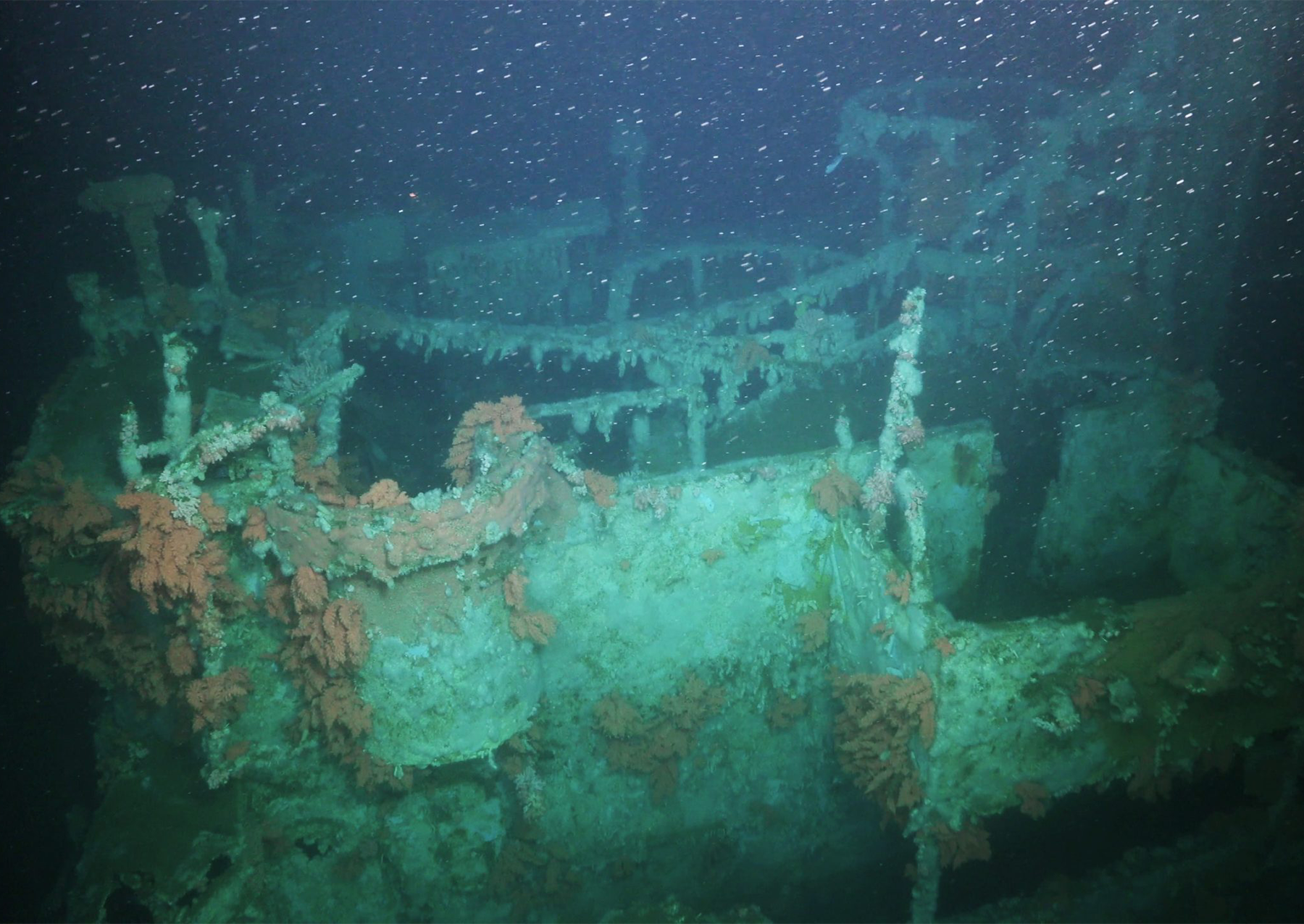
The team discovered at least 30 new suspected species, including sponges, snails and crustaceans, including hundreds of species never seen in the waters of Uruguayan. This recent expedition of the Schmidt Ocean Institute also explored the wreck of the Rou Uruguayfor the first time. Discover part of what they found below. (Click to extend the images in full screen.)
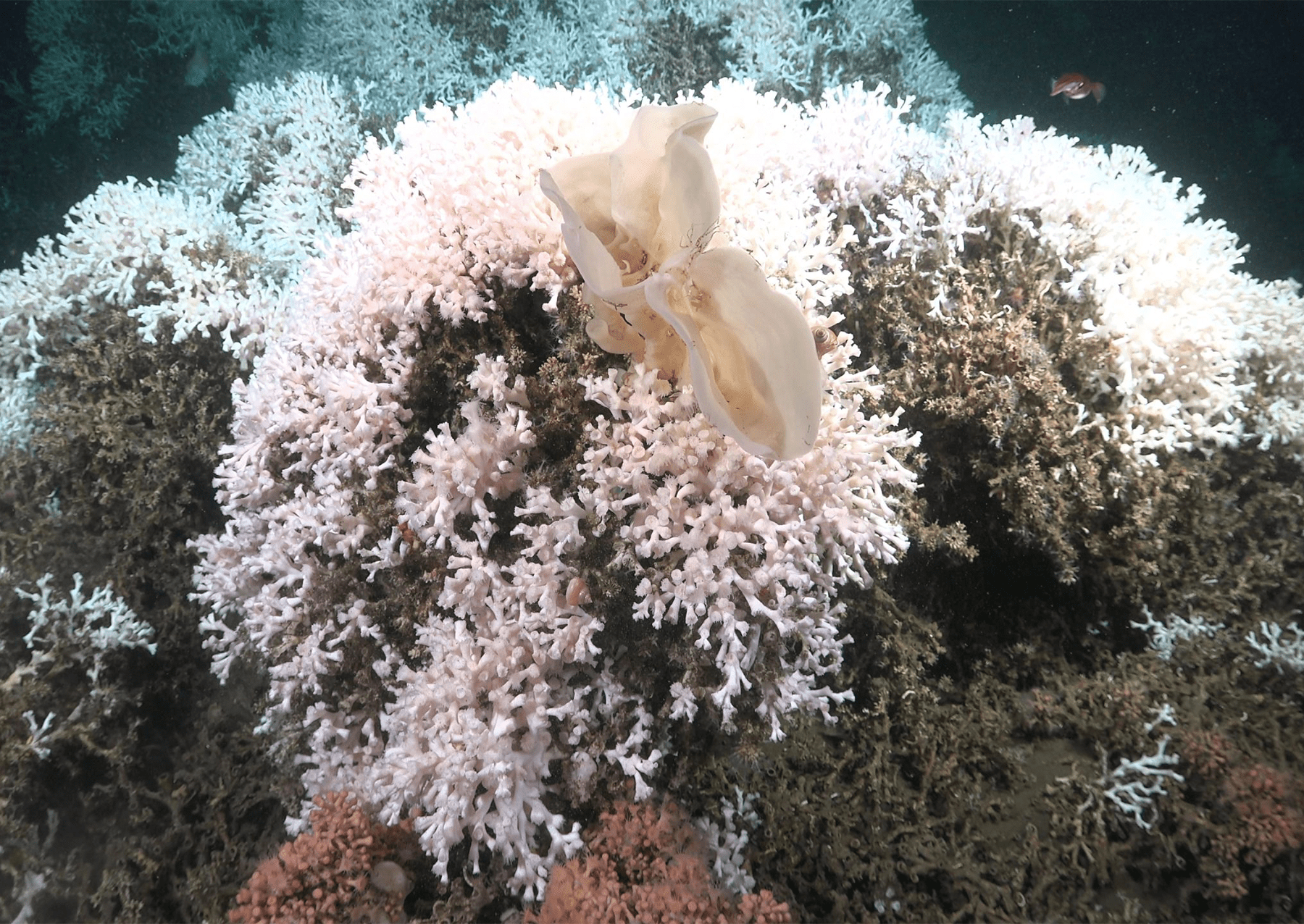
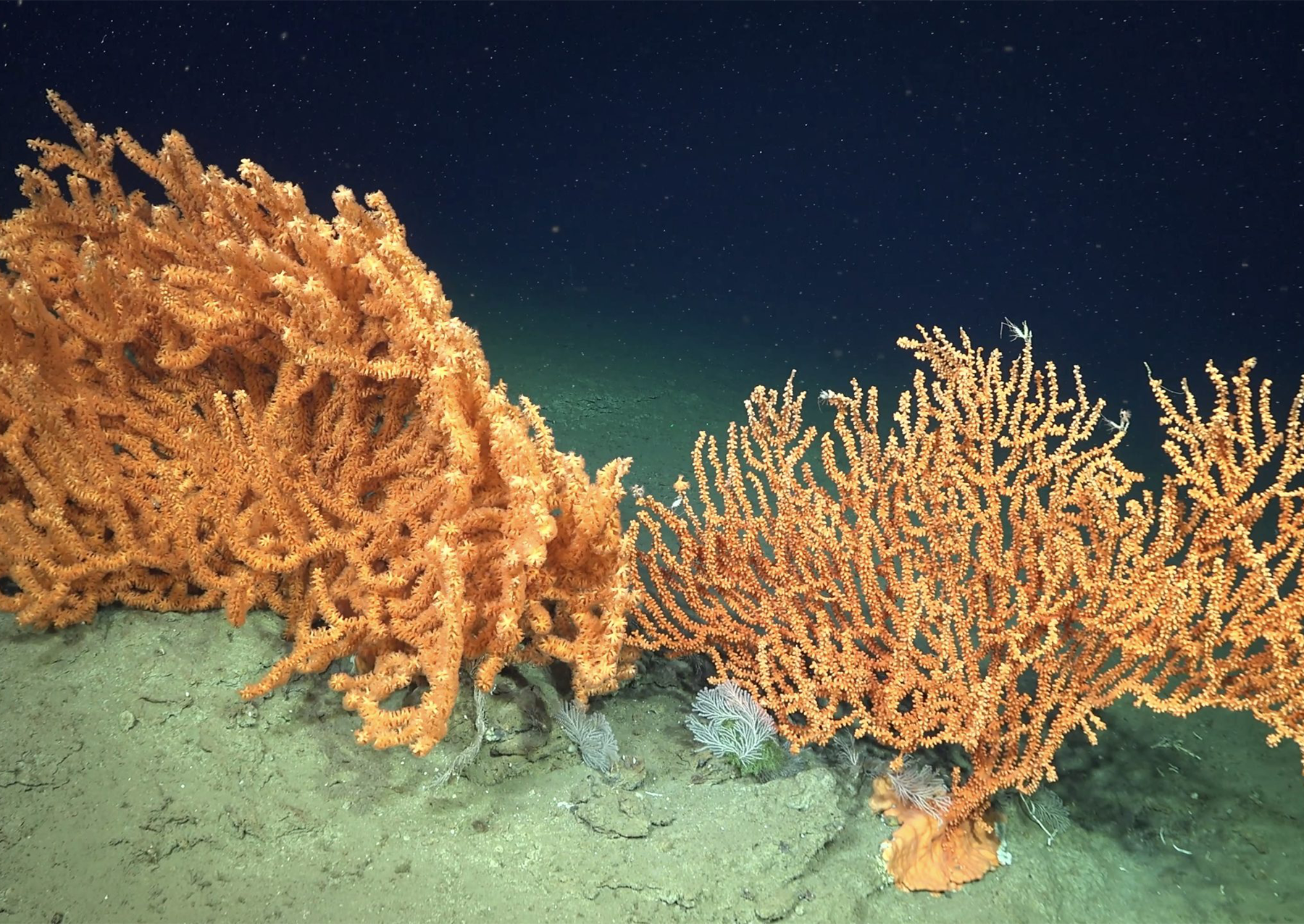
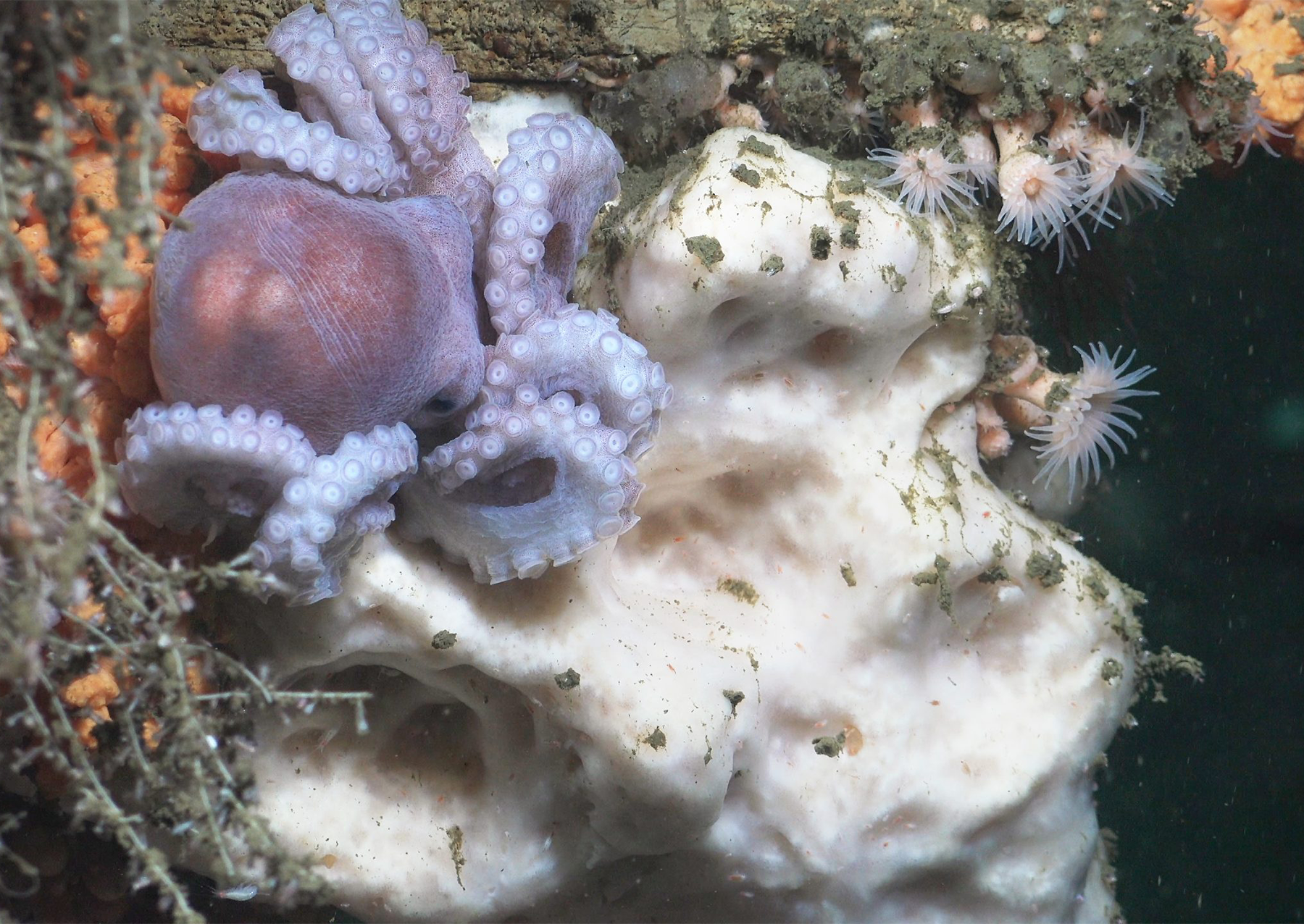
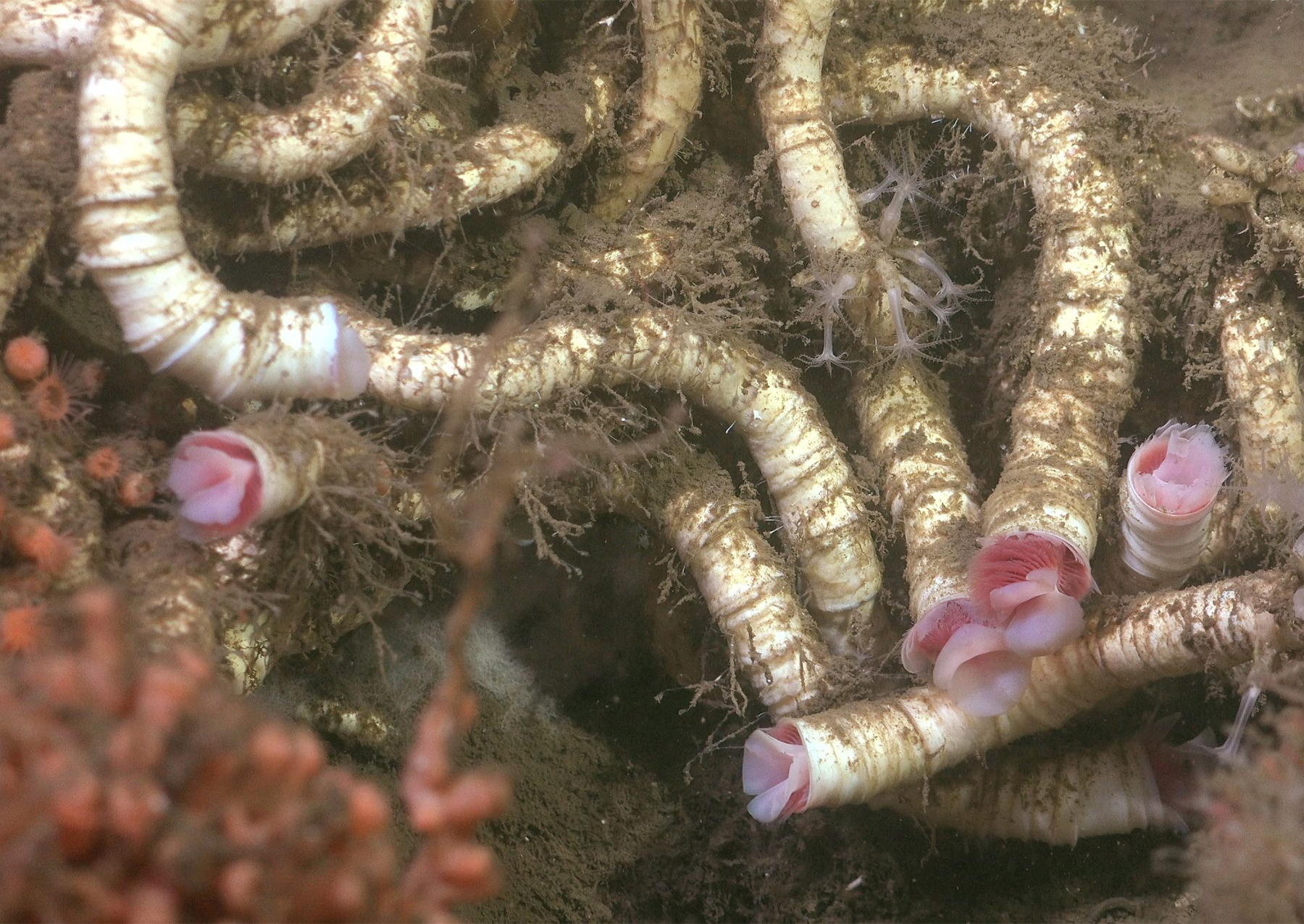
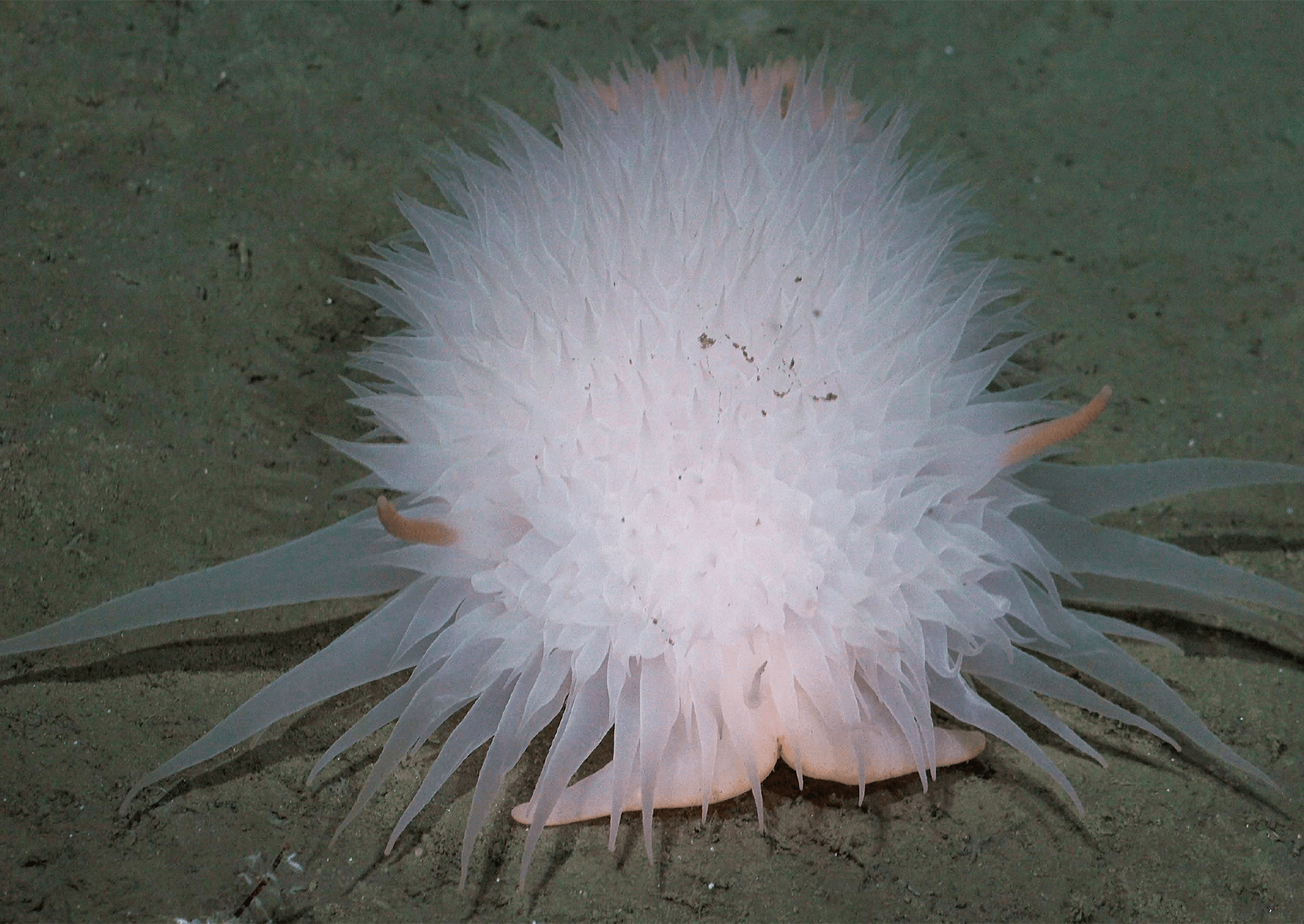
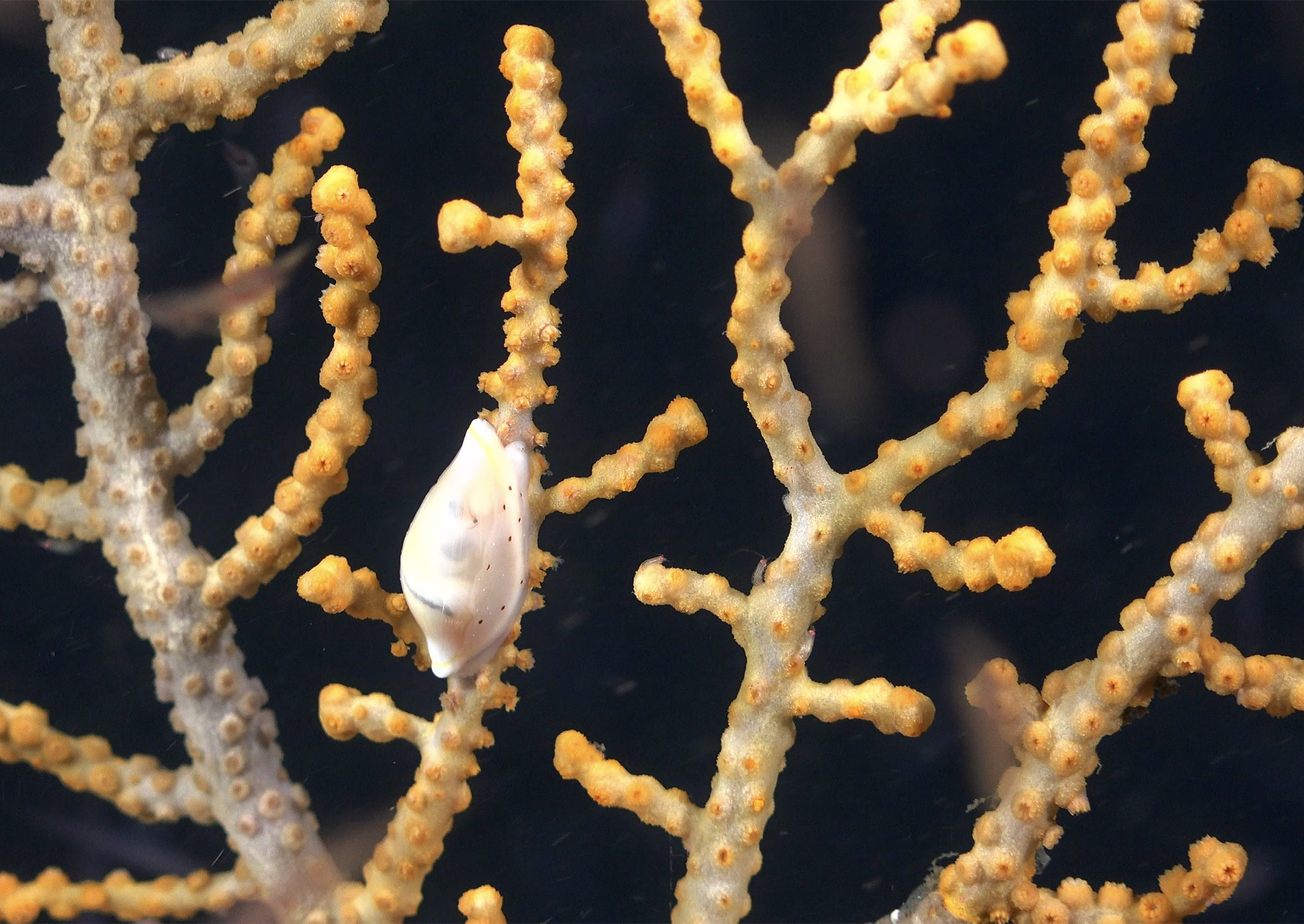
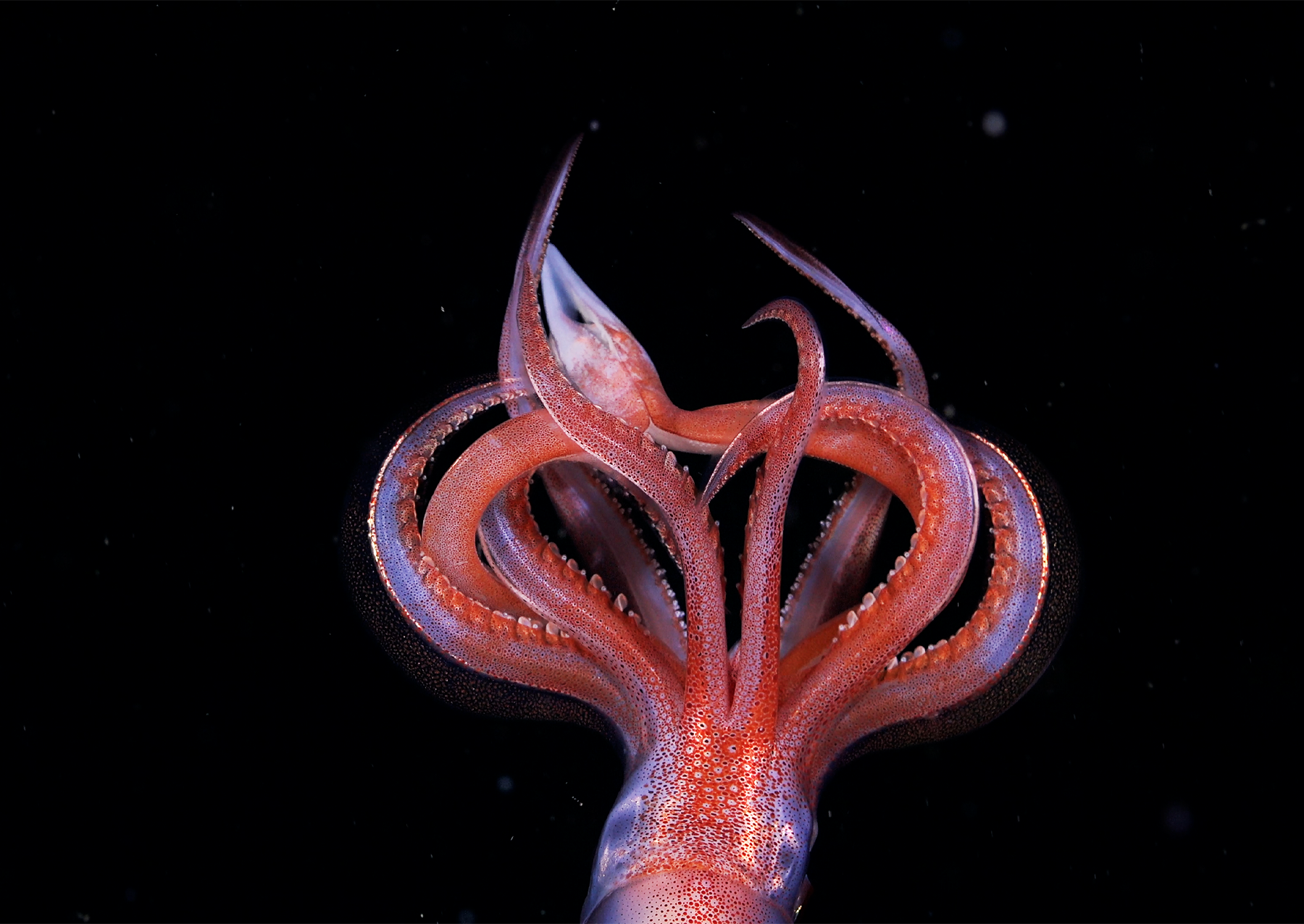
A sponge (halicona sp) at the top of a large mound of Desmophyllum pertusumA species of stony coral in cold water with slow growth recently designated as vulnerable to extinction, documented 269 meters deep. This dive took place near the head of the Cabo Polonio Canyon submarine. The site is influenced by the current of Brazil, which carries the tropical and central waters of the South Atlantic. Image: Rov Substastian / Schmidt Ocean Institute. BlackBelly Information (Helicolenus Dactylopterus) were documented among the corals of soft mushrooms (Heteropolypus SP) 246 meters deep off the coasts of Uruguay. The Rov diving took place at the head of the Montevideo canyon, on the upper slope, submerged in the antarctic intermediate waters. Image: Rov Substastian / Schmidt Ocean Institute.A Catshark on the high seas (Scyliorhinus Haeckelii) Documents at 198 meters (around 649 feet) on the outside edge of the continental plateau, near the head of the Paloma submarine canyon. The site is influenced by the current of Brazil, which carries the tropical and central waters of the South Atlantic. Image: Rov Substastian / Schmidt Ocean Institute.A new possible species of bamboo coral has been documented at a depth of 2,415 meters (about 7,923 feet) at the base of the canyon underwater Cabo Polonio off the coast of Uruguay. Image: Rov Substastian / Schmidt Ocean Institute.A octopus, a sponge on the high seas and anemones on an outcrop with various corals at 1,619 meters (about 5,311 feet) deep. This dive took place in the central part of the Montevideo canyon, in superior circumpolar water. Image: Rov Substastian / Schmidt Ocean Institute.The research team explored the sinking of the Rou Uruguay Underwater, collecting data on the cannon class destroyer which now serves as a reef habitat. The ship, initially the USS Baron During the Second World War, Uruguay was given by the United States in 1952 and sank in 1995 as a naval exercise. Image: Rov Substastian / Schmidt Ocean Institute.The glossy blue eye of a lick (Lophiidae) documented 297 meters deep during a ROV dive at the head of the Montevideo canyon, immersed in intermediate waters of Antarctica. Image: Rov Substastian / Schmidt Ocean InstituteTo chemosynthetic (Lamellibrachia Victor) Cultivate adjacent mounds of coral in the deep sea with an oozing of methane. Although it is not often observed, previous studies have shown that it is a normal part of the evolution of the community. As methane infiltrates, worms dig more deeply for energy while bacteria transform the surrounding gentle sediments into a hard rock, on which the coral is fixed and develops. Image: Rov Substastian / Schmidt Ocean Institute. A nudibranch in the high seas (a type of sea slug) in the Bathydoris genre documented on the seabed at 3,125 meters (about 10,252 feet) deep on an abyssal plain at the foot and east of the Río de la Plata Canyon off the coast of Uruguay. Image: Rov Substastian / Schmidt Ocean Institute. An ovulid sea snail feeds with gentle Gorgonian coral, a rare spectacle in these cooler waters. The chief scientist, Dr. Alvar Carranza, described the observation, made via Rov SubstastianIn search of a giraffe in Antarctica. This dive took place near the head of the canyon underwater Cabo Polonio, and is known to be under the influence of the Brazil current, which carries the tropical and central waters of the South Atlantic. Image: Rov Substastian / Schmidt Ocean Institute. Calmar in the genus gonatus at a depth of 1,462 meters (about 4,796 feet). Image: Rov Substastian / Schmidt Ocean Institute. The chief scientist Alvar Carranza of the Universidad de la REPUública in Uruguay, as well as members of the scientific team, tell images in progress for the observation of the public in Uruguay and in the world. The images are collected by pilots operating a vehicle remotely, or ROV. Image: Alex Ingle / / Schmidt Ocean Institute.
According to Carranza, the data collected from the shipment will guide how Uruguay’s marine resources are managed. Currently, there is only one vulnerable marine ecosystem confirmed in Uruguay, but this 29 -day expedition has found evidence that more vulnerable areas exist.
More offers, reviews and purchasing guides
The Popsci team has tested hundreds of products and spent thousands of hours trying to find the best equipment and gadgets you can buy.