Breakthroughs, discoveries and DIY tips sent six days a week.
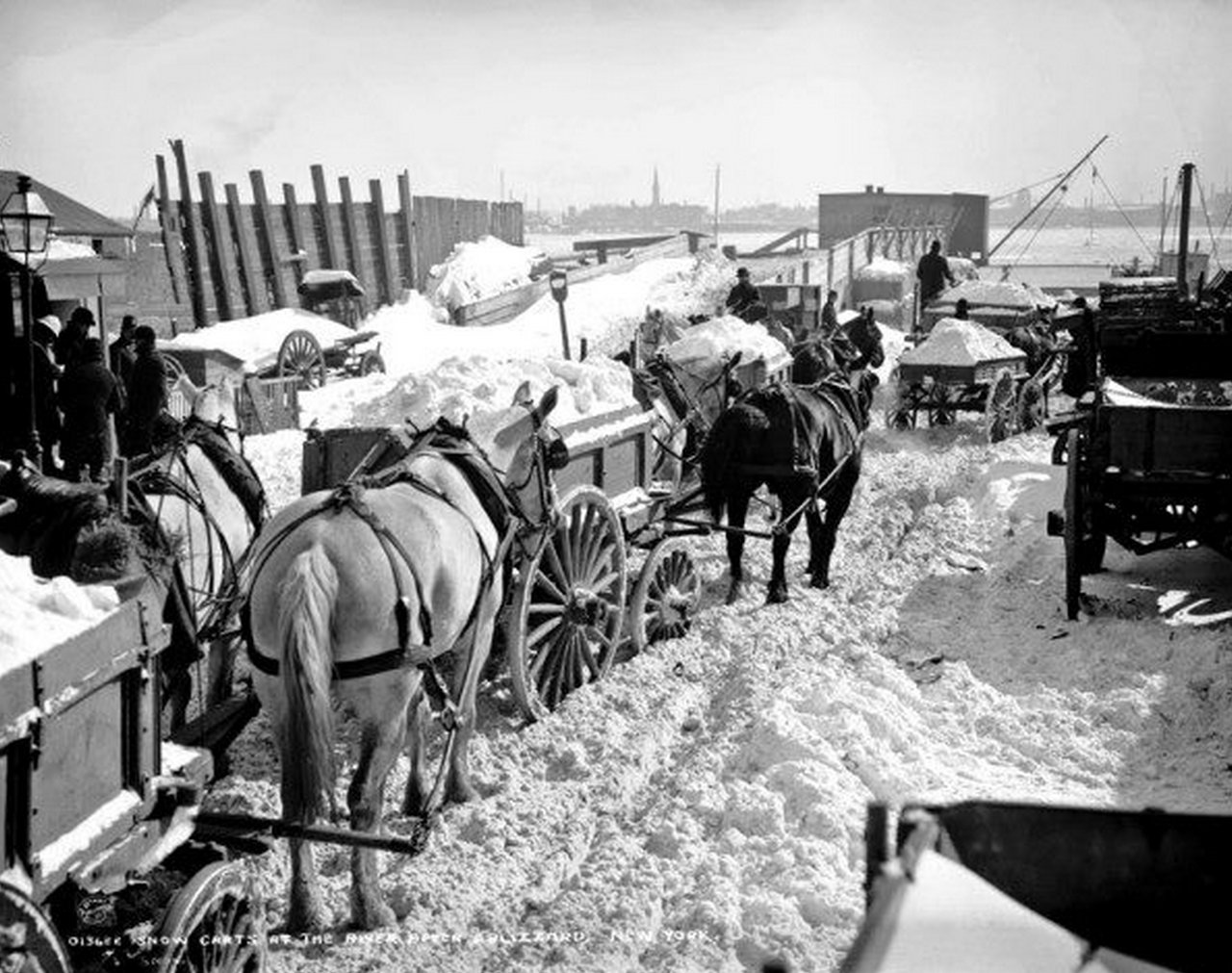
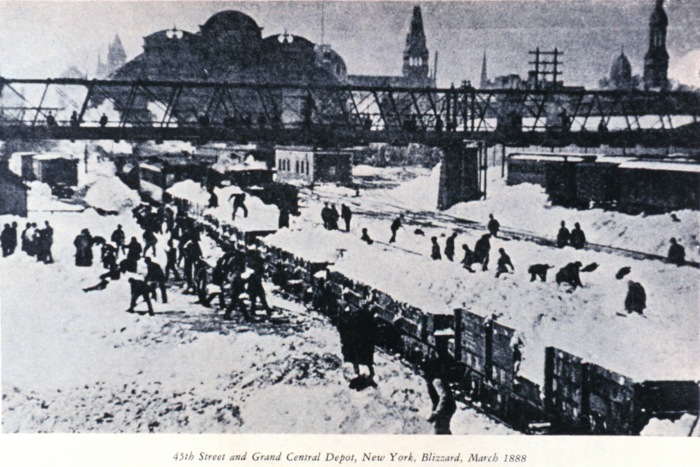
In March 1888, a deadly snowstorm devastated New York. The snow paralyzed the city: trains were stranded for days, telegraph services stopped operating, and even after the snow stopped, flooding from melting water caused considerable damage.
New York City and the East Coast are bracing for another historic storm, but at least they won’t need horse-drawn carriages to clear out all the white stuff.
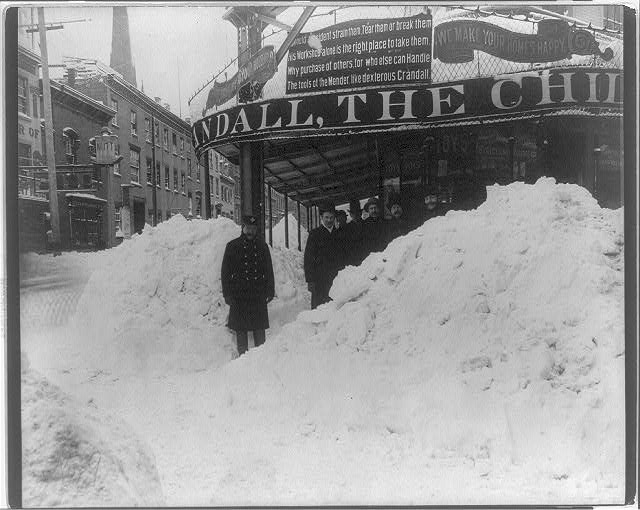
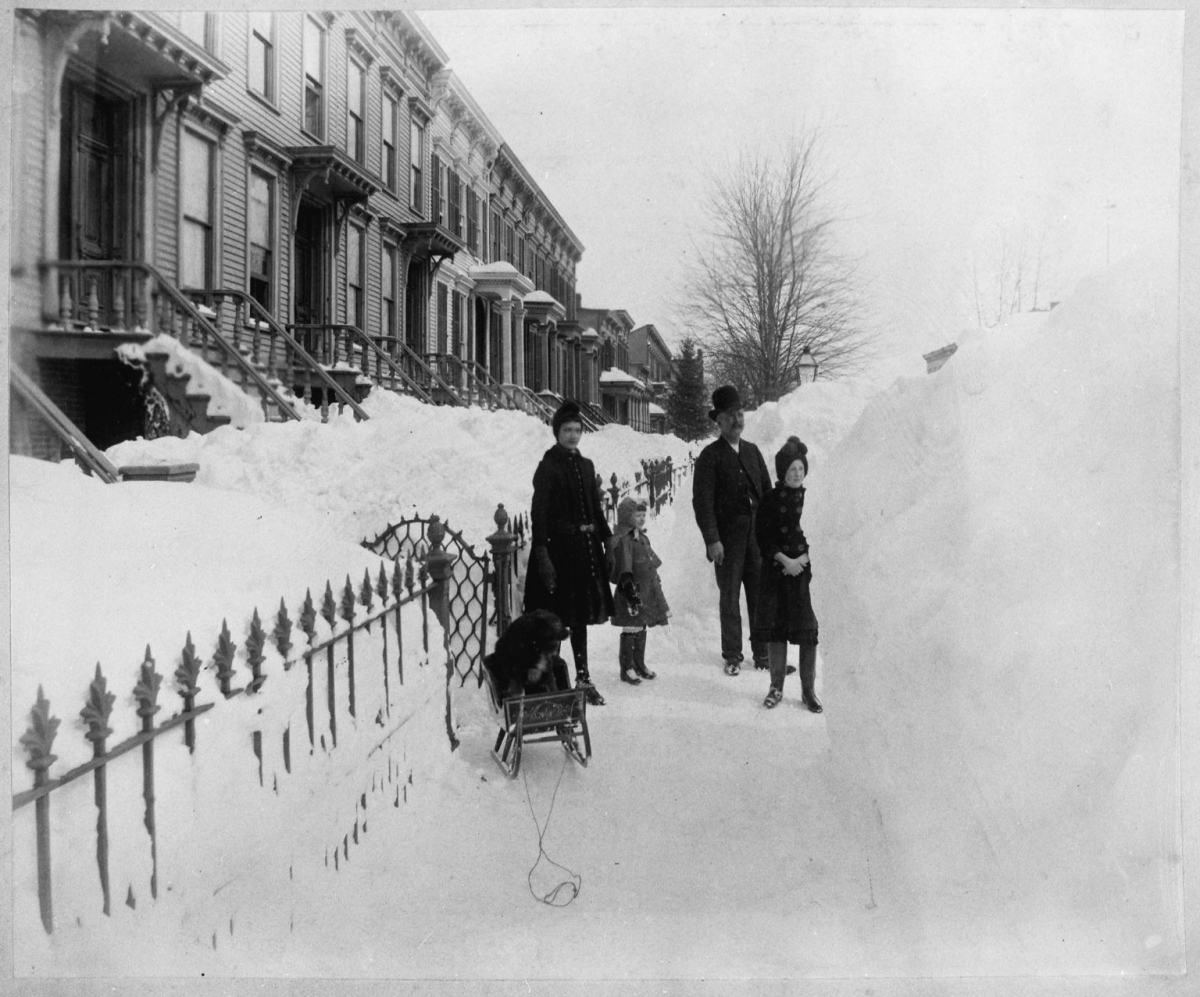
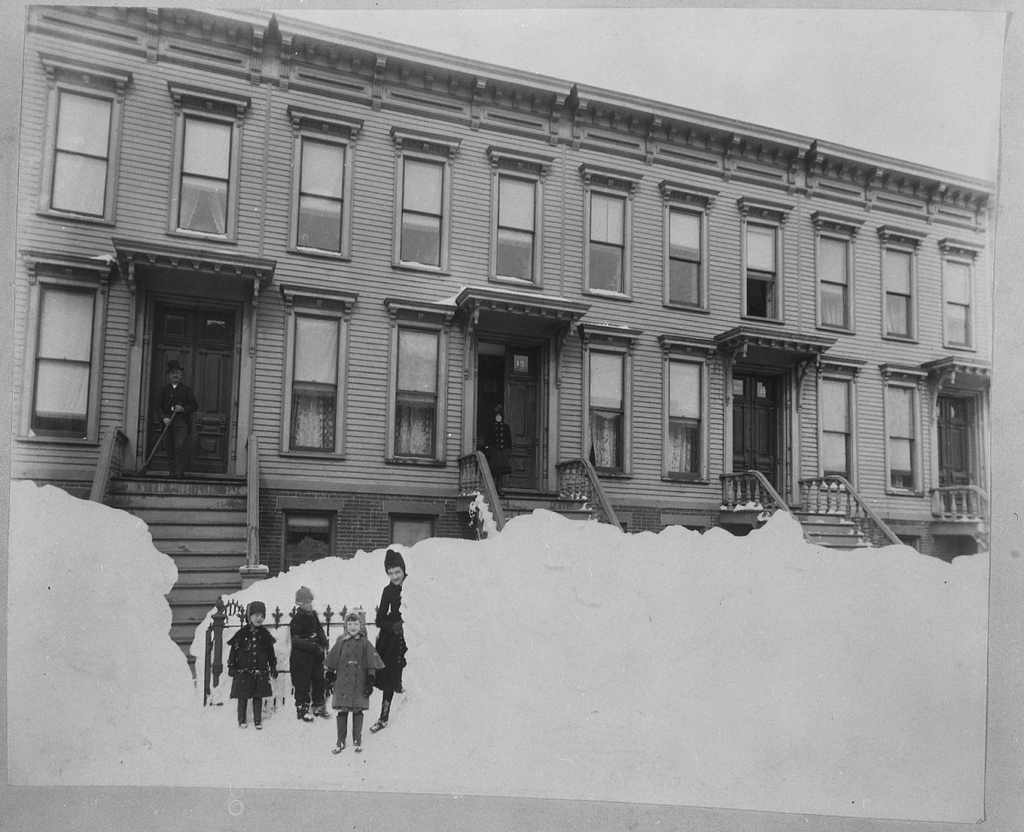
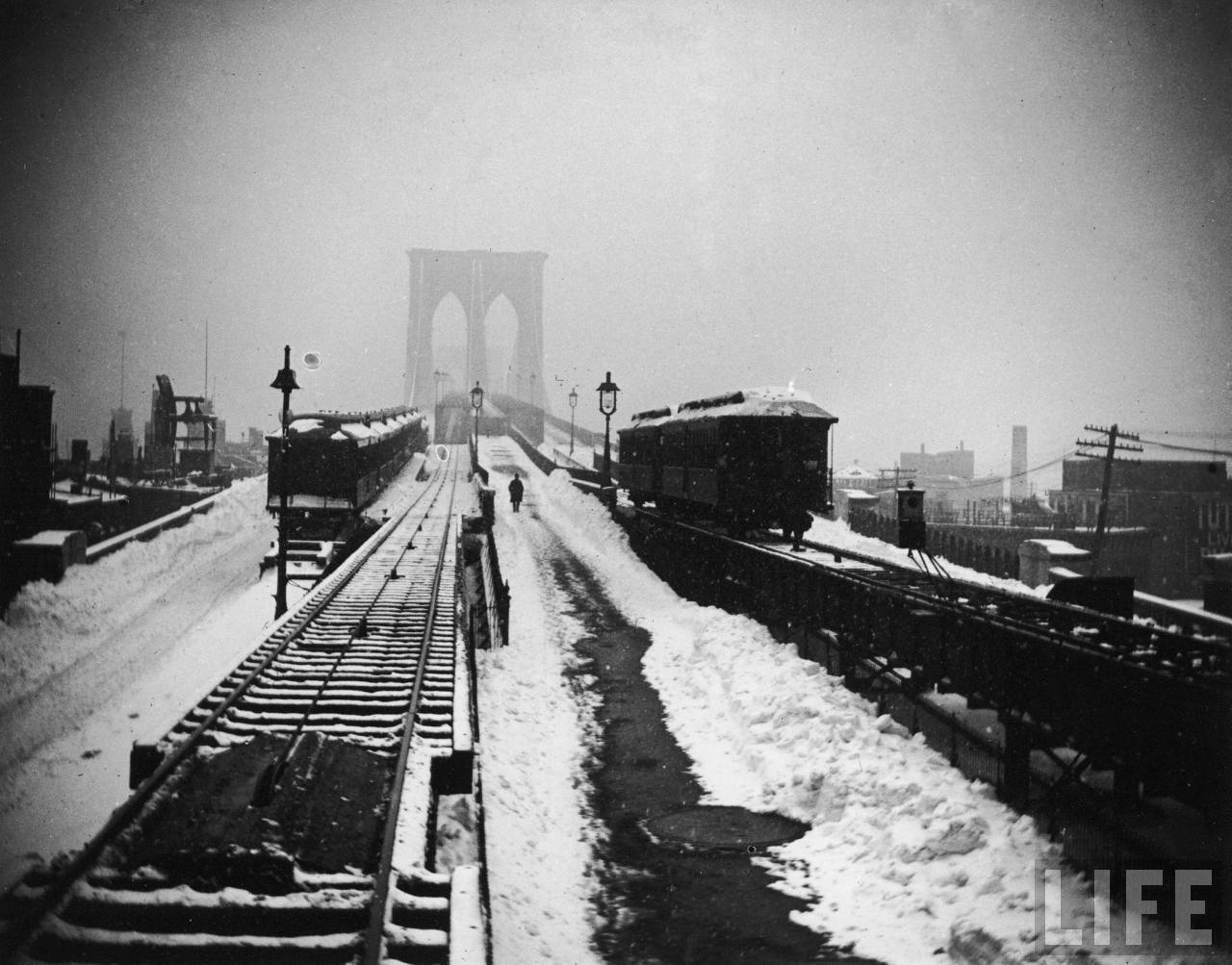
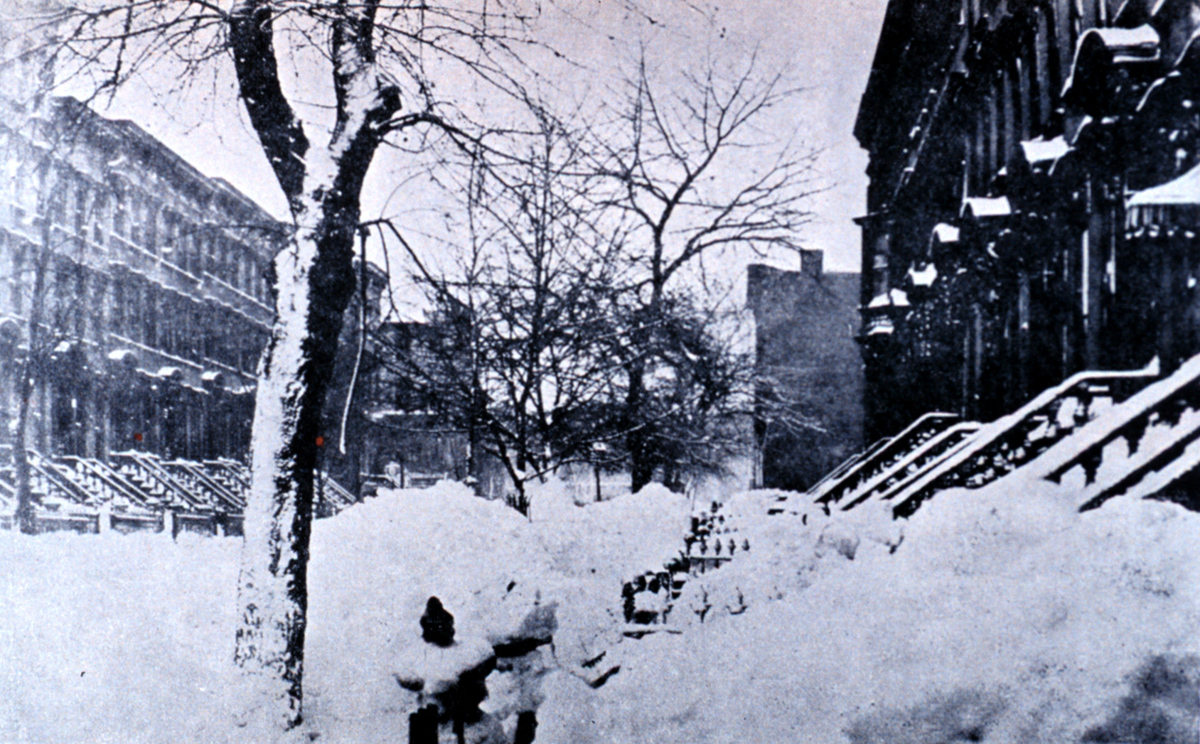
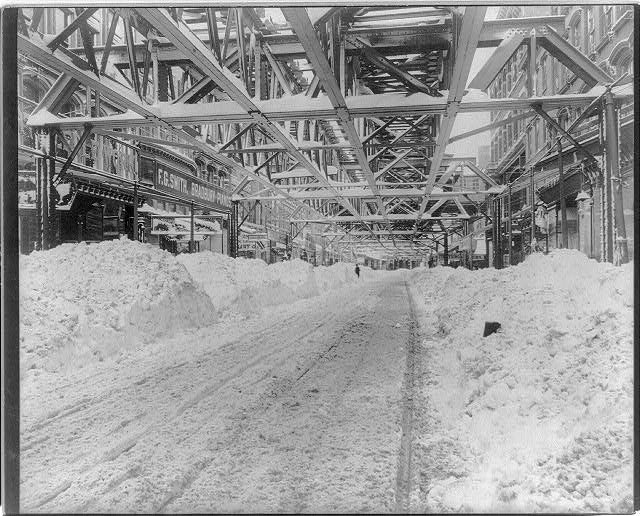
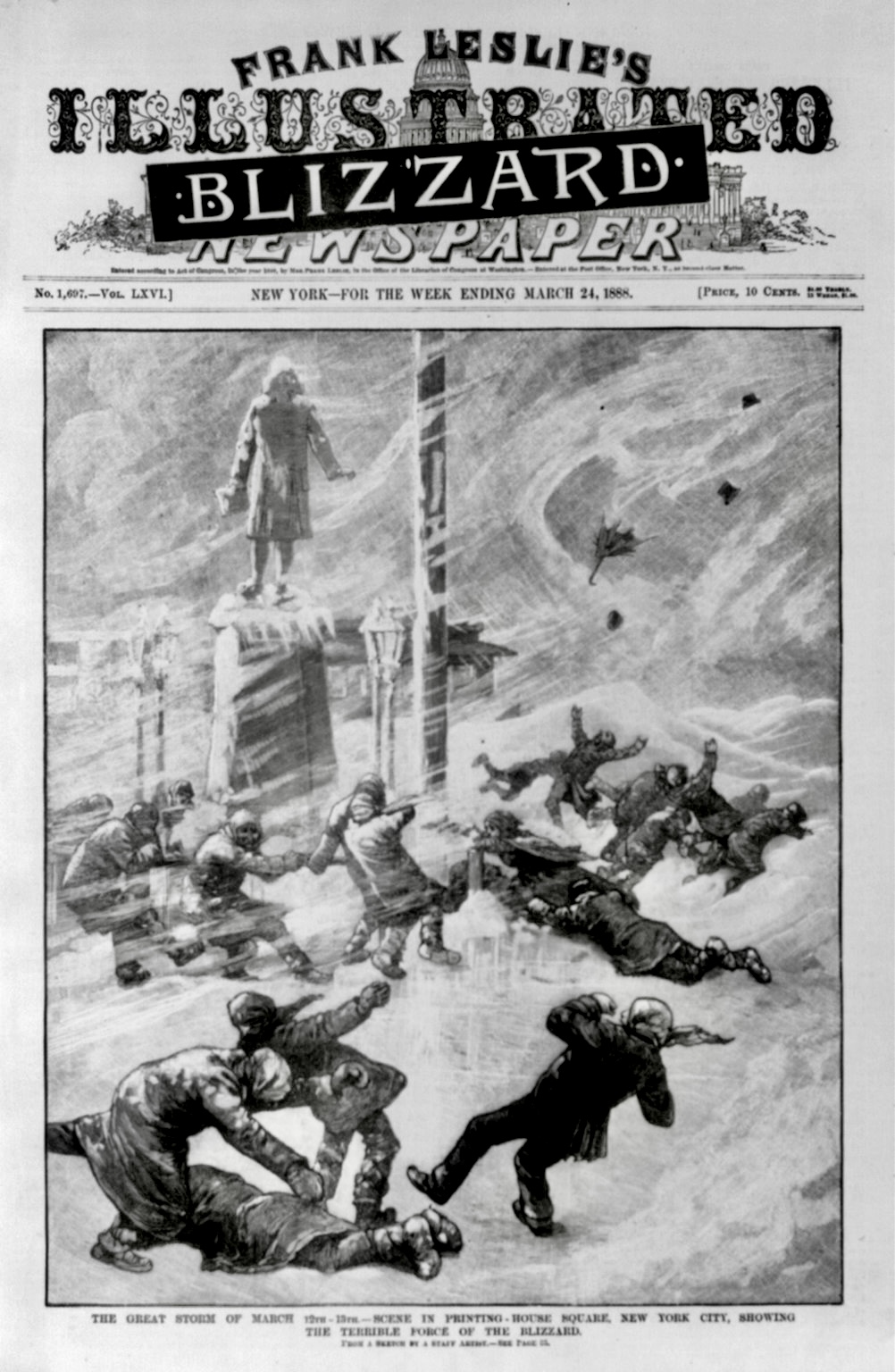
In 1888, New York City couldn’t just put plows on the front of garbage trucks. Image: Public domainSnow blocks the entrance to a store. Image: Library of Congress, public domainImage: Brooklyn Museum, no restrictions, via Wikimedia CommonsImage: Public domainImage: Breading G. Way, no restrictionsA view toward Wall Street during the Great Blizzard of 1888. Image: Brown Brothers, public domainA grocer digs out the front of his store in front of a child. Image: Public domainThe Brooklyn Bridge. Image: Wallace G. Levison, public domainThe brownstones of Brooklyn buried under the snow. Image: NOAA Photo Library/NWS Historical Collection, public domain, via Wikimedia CommonsFulton Street towards the ferry after plowing. Much of the snow was cleared by hand in horse-drawn carriages. Image: PPOC, Library of Congress, public domainNewspaper cover illustration showing a scene on Printing Place during the Great Blizzard of 1888. Image: Original work of the US Federal Government – Library of Congress, public domain Library of CongressStatue of George Washington standing in front of the Sub-Treasury Building (now Federal Hall National Memorial) on Wall Street in New York’s Financial District. Image: PPOC, Library of Congress, public domain Library of CongressWorkers dig trains at the Grand Central Depot on 45th Street. Image: Public domain