
NEWYou can now listen to Fox News articles!
Former NFL wide receiver Terrell Owens spent three seasons of his 16-year Hall of Fame career with the Dallas Cowboys.
Although 16 seasons have passed since Owens played in the league, his time with the franchise famously dubbed “America’s Team” remains memorable. Owens first played for the Cowboys in 2006, before abruptly exiting after the 2008 campaign.
This week, Owens briefly revisited his time wearing “The Star” on his helmet, but he made it clear the team has not been at the front of his mind for quite some time. “I don’t concern myself with the Cowboys,” Owens told the Action Network.
CLICK HERE FOR MORE SPORTS COVERAGE ON FOXNEWS.COM
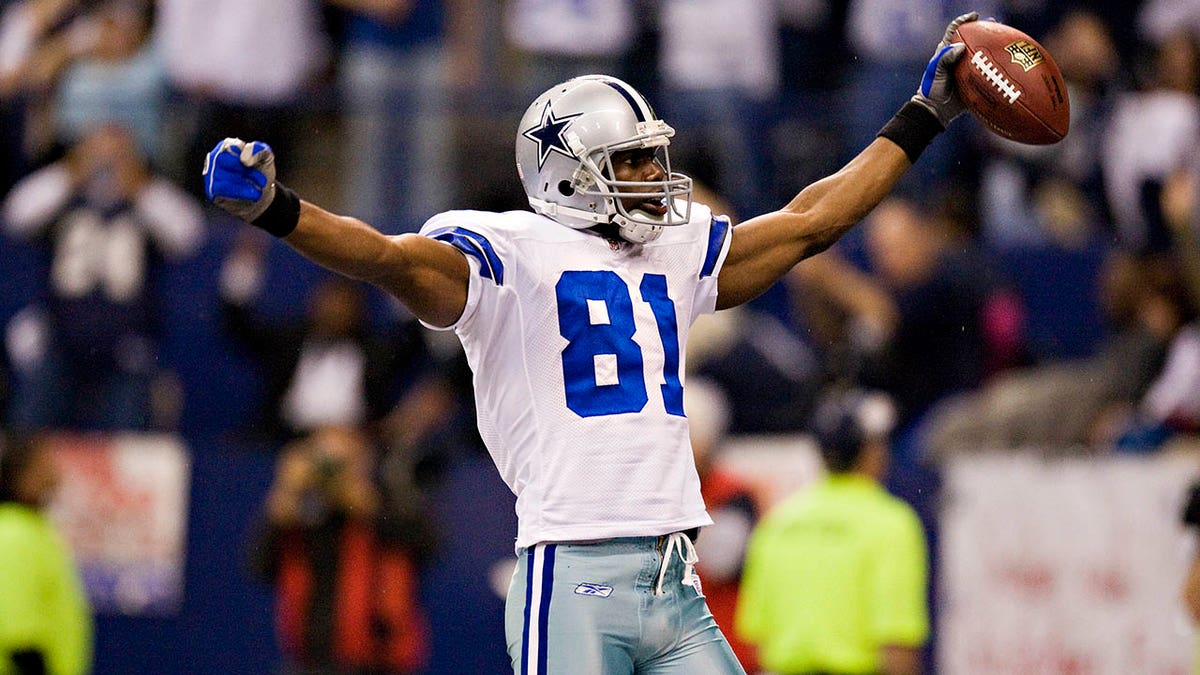
Dallas Cowboys wide receiver Terrell Owens celebrates after scoring a touchdown against the Seattle Seahawks at Texas Stadium in Irving, Texas, on Nov. 27, 2008. (Wesley Hitt/Getty Images)
Owens then suggested the less-than-harmonious feelings are mutual, saying: “The Cowboys haven’t concerned themselves with me since I left there. That’s speaking of Jerry Jones or anybody really from that organization… The way things ended there with the Cowboys, I couldn’t care less. I have nothing to say about them.”
JOURDAN LEWIS BECOMES LATEST FORMER COWBOYS PLAYER TO VOICE FRUSTRATION WITH TEAM
Owens signed a three-year deal with the Cowboys in 2006 and was rewarded with a three-year contract extension in 2008. Around the time of his March 2009 release, reports suggested he had become a source of tension inside the Cowboys’ locker room.
He was cut roughly two months after Dallas finished 9-7 and missed the playoffs. Dallas struggled offensively at times that season, though Owens still totaled 1,052 yards and 10 touchdowns. Those were considered productive numbers by any standard, but they also marked his lowest totals in three seasons with the Cowboys.
Owens’ connection with then-offensive coordinator Jason Garrett also came under scrutiny during his stint with the team.
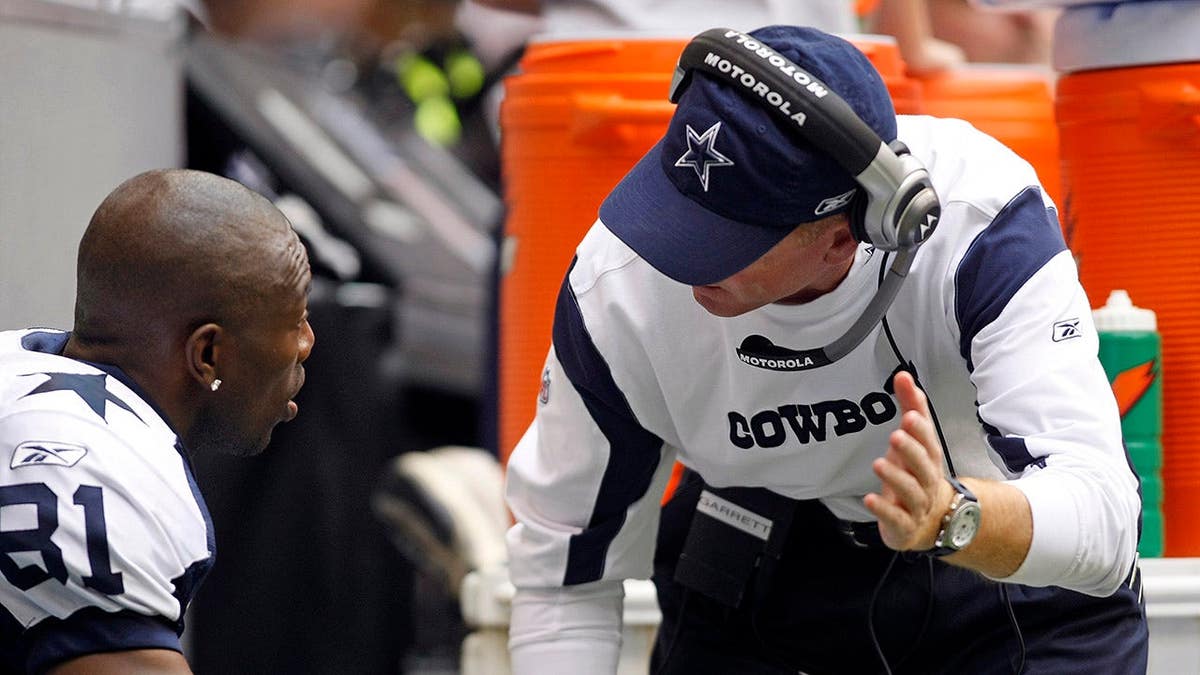
Dallas Cowboys offensive coordinator Jason Garrett talks to Terrell Owens during a game against the San Francisco 49ers at Texas Stadium in Irving, Texas, on Nov. 23, 2008. (Getty Images)
Owens joined the Buffalo Bills after he parted ways with the Cowboys. Despite snapping his streak of three consecutive 1,000-yard seasons during his lone year in Western New York, Owens praised Buffalo, describing it as a rare NFL market that still embraces him years after he left.
“The Buffalo Bills have been very gracious in inviting me out and involving me in some of their community initiatives,” Owens said. “I went there for a couple of games and for Thurman Thomas’ jersey retirement.”
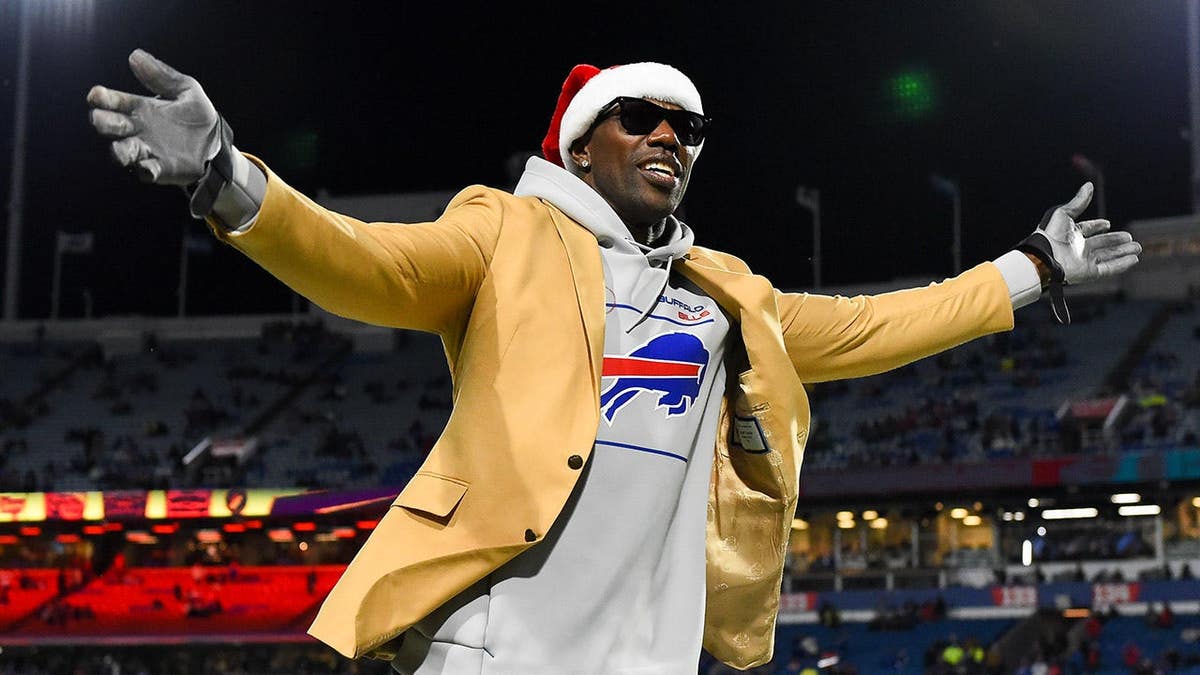
Former wide receiver Terrell Owens gestures to the crowd before the game between the New England Patriots and the Buffalo Bills at Highmark Stadium in Orchard Park, New York, on Dec. 6, 2021. (Rich Barnes/USA TODAY Sports)
CLICK HERE TO DOWNLOAD THE FOX NEWS APP
Owens appeared in 14 games with the Cincinnati Bengals in 2010, marking his final NFL season. He was a five-time All-Pro selection and six-time Pro Bowler during his standout career.
He skipped the Pro Football Hall of Fame ceremonies in Canton, Ohio, in 2018, choosing instead to hold his own ceremony at his alma mater, the University of Tennessee at Chattanooga.
Follow Fox News Digital’s sports coverage on X, and subscribe to the Fox News Sports Huddle newsletter.


