2026 census test cut back with new role for postal workers : NPR

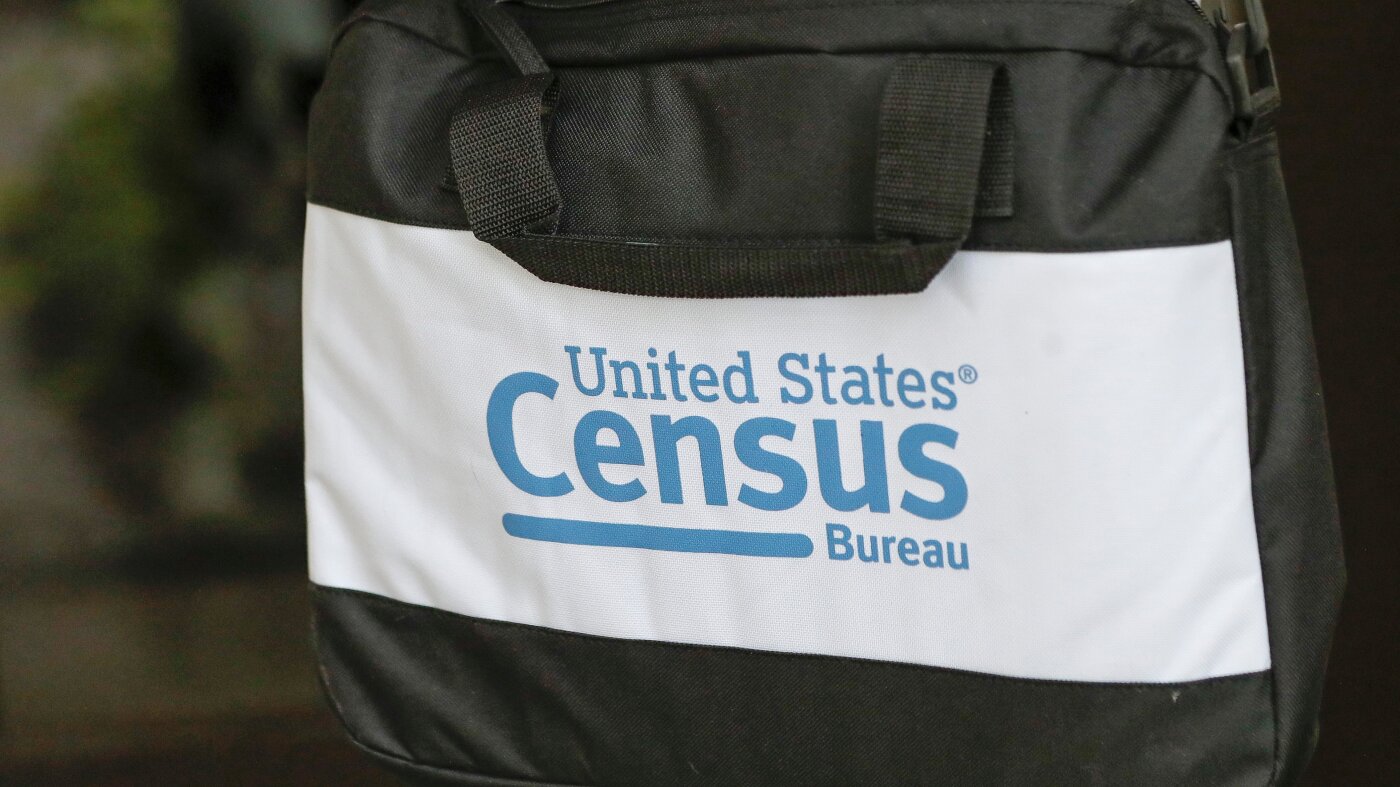

The US Census Bureau logo is featured on a black bag carried by a census taker knocking on doors in 2020 in Winter Park, Florida.
John Raoux/AP
hide caption
toggle caption
John Raoux/AP
The Trump administration is scaling back plans for the 2030 census field test this year, raising concerns about the Census Bureau’s ability to produce a reliable population count to redistribute political representation and federal funding over the next decade.
The 2026 test was designed to help the bureau improve the accuracy of the next once-a-decade U.S. headcount count. A mix of communities in six states, as well as a national sample of households, were expected to participate in the experiment.
But the agency is now prepared to reduce the number of testing sites to two — Huntsville, Alabama, and Spartanburg, South Carolina — while adding plans to try to replace temporary census workers with U.S. Postal Service personnel, according to a report. Federal Register notice which was made available to the public on Monday before its official publication.
The bureau also plans to provide Spanish and Chinese versions of the online census test form, which will now only be available in English. Households can begin using the form to respond in the spring, the bureau’s website now says, and if they don’t, they could receive a visit from a census worker or postal worker.
Spokespeople for the bureau and its parent agency, the Commerce Department, did not immediately respond to NPR’s questions, including those about the reasons for the changes. In a statement Monday announcing the “launch of the 2026 Census test,” the bureau said it “remains committed to achieving the most accurate count in history for the 2030 Census and looks forward to continued partnership with local communities.”


Census testing plans for rural communities and Native tribal lands are scrapped
Among the places no longer part of the census test are rural communities in West Texas and Native tribal lands in Arizona and North Carolina. These include the Fort Apache Reservation, home to the White Mountain Apache Tribe; the San Carlos Reservation, home to the San Carlos Apache Tribe; and the Qualla Frontier, home to the Eastern Band of Cherokee Indians.
Terri Ann Lowenthal — a census consultant who once served as staff director for a former congressional subcommittee overseeing the national count — calls this development on the road to the 2030 census “discouraging.”
“The delineated testing plan for 2026 is confusing and unclear to the public – the product, unfortunately, of the administration obscuring all planning for 2030,” Lowenthal said in a statement. “Equally troubling, we already know from the most recent census that failing to fully evaluate promising new methods and improved operations, for example in rural areas and on Native American reservations, can lead to less accurate counts in many communities.”
The test cuts come after the bureau refused to brief congressional lawmakers charged with overseeing its work and after the administration disbanded all of the bureau’s committees of outside advisers, which previously received periodic briefings on 2030 census planning in public meetings.
Over the past year, the bureau, which is the federal government’s largest statistical agency, has also seen numerous departures of experienced staffers amid the Trump administration’s downsizing of the federal workforce.
In a statement, Democratic Sen. Gary Peters of Michigan said he was “alarmed” by the office’s announcement of a significant reduction in testing.
“When the Census Bureau doesn’t count residents accurately, communities that need it most lose critical resources,” said Peters, the top Democrat overseeing the Senate Homeland Security and Governmental Affairs Committee’s office. “I have long pushed the Census Bureau to conduct rigorous testing of strategies to reach historically undercounted communities to ensure every person is counted. I urge the Census Bureau to reverse its decision and conduct the 2026 census test with all six communities as planned.
Dante Moreno, a local government lobbyist at the National League of Cities, says leaders at some of the canceled testing sites were informed of the office’s changes Monday after months without updates. The test’s new emphasis on online census responses is now causing more concern.
“Rural areas in general are just less likely to have cell service or internet service. So how do you fill out these questionnaires? Or if your house is a mile from another house, how do you make sure that people know that you exist there, that they know that they can come to you so that you can be counted?” Moreno said.
Similar questions concern Native tribal leaders whose communities are no longer invited to participate in the test, says Saundra Mitrovich, a census consultant with the Native American Rights Fund, which co-leads the Natives Count Coalition.
“Many of our indigenous populations also face language assistance issues. And when we can’t adequately address that or participate in developing an operational plan that will adequately address that issue, then it becomes a challenge. Are you listening to our communities? Are you respecting that responsibility of the federal trust to the tribes?” said Mitrovich, who is a tribal citizen of the Berry Creek Rancheria of the Maidu Indians of California.
It’s unclear how postal workers will contribute to the census test
Preparations for this census test have already suffered from delays in public outreach and finalizing a staffing plan, in part because of uncertain funding from Congress. And the office had been waiting for months for a White House agency to approve a plan to contact administrators of college residence halls, nursing homes and other congregate housing to prepare for the count. The office’s announcement Monday about its revised testing plan made no mention of group quarters.
Bringing in Postal Service workers to help conduct the census test is expected to raise a series of questions among both count supporters and the USPS. A 2011 Government Accountability Office report found that replacing temporary census takers with higher-paid mail carriers is not cost-effective. Such a move nevertheless received vocal support from Commerce Secretary Howard Lutnick, who said it could save the government money.
USPS spokesman Albert Ruiz referred NPR’s questions, including whether postal workers would be expected to work for the census test in addition to their regular jobs, to the Commerce Department.
“The United States Postal Service looks forward to participating in the 2026 operational test in support of the 2030 Census,” Ruiz added.
Edited by Benjamin Swasey


