2026 iPad preview: What to expect from Apple’s next tablet lineup


The iPad line has settled into a predictable and stable update cycle in recent years. Major redesigns are rare, with Apple mainly focusing on internal upgrades such as faster chips, better displays and incremental improvements. And according to several rumors, we already have an idea of what to expect from the iPad range in 2026.
Based on information reported by Macworld and other reliable sources, Apple is preparing to launch another wave of minor iPad updates with specification changes. Read on as we detail which iPads will be updated and which won’t in the coming year.
Entry-level 12th generation iPad: a much faster chip
The base model iPad is definitely the right choice for most people who just want a good tablet at an affordable price. This iPad is particularly popular in the education segment, with Apple offering it to students for just $329. In 2025, Apple gave its iPad such a small update that it wasn’t even capable of running Apple Intelligence, but in 2026 it looks like it will get a much bigger spec boost.
As previously reported MacmondeThe 12th generation iPad is expected to debut in 2026 with the faster A19 chip, replacing the A16 found in the current 11th generation model. The A19 chip is the same as the iPhone 17 and is more than 50% faster than the A16 chip in the current iPad.

The entry-level iPad could get a much faster chip next year.
Foundry
With this upgrade, the entry-level iPad will finally support more advanced features, including Apple Intelligence. This will also become a great option for gamers, as the A19 chip can easily run console-level games.
In addition to the A19 chip, Apple is also expected to bring its new N1 wireless chip to the new iPad. This is Apple’s first custom wireless chip to handle both Wi-Fi and Bluetooth, providing both better performance and power efficiency.
Reports suggest that Apple will keep the same overall design, screen, and camera system. This means that the 12th generation iPad will likely have the same 60Hz LCD panel as the current generation, as well as Touch ID in the power button.
While the idea of having the same design and display for another year might not seem exciting, most buyers looking for an entry-level iPad are more interested in a reliable tablet at a lower price. The A19 chip will make the next entry-level iPad very future-proof.
iPad Air: the M4 arrives in the middle of the range
The iPad Air has increasingly become Apple’s “sweet spot” tablet, offering near-pro performance without the Pro price. In 2026, this positioning should continue.
Macworld reported that Apple plans to update the iPad Air with the M4 chip, replacing the current M3. The move from M3 to M4 isn’t significant, but most users don’t upgrade their iPad every year anyway. The idea is certainly to make the product more appealing to new buyers or those upgrading from a much older iPad.
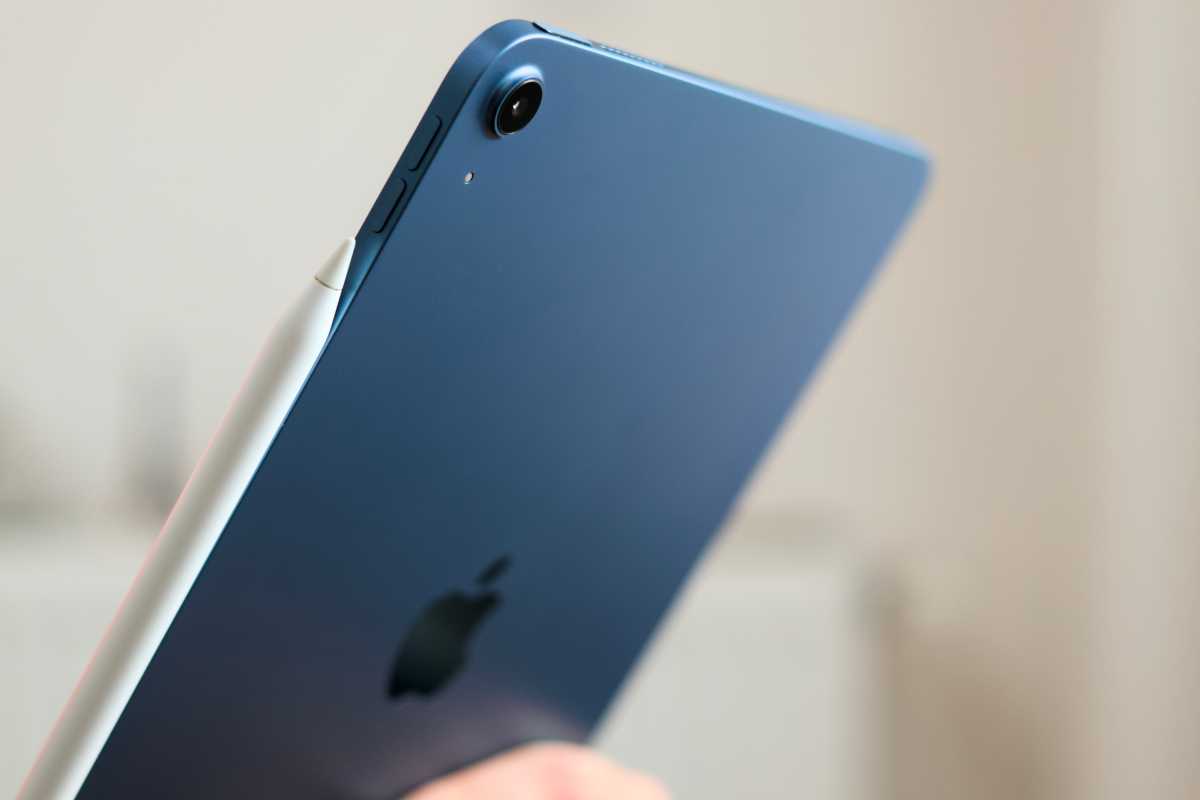
The iPad Air would receive an M4 in 2026.
Foundry
The upgrade appears to be almost entirely internal. Just like the upcoming entry-level iPad model, the iPad Air M4 will also feature Apple’s N1 wireless chip and possibly the C1 modem. Otherwise, the design, display and cameras should remain unchanged. The current iPad Air comes in 11-inch and 13-inch screen options, both of which feature a 60Hz LCD panel.
Apple is comfortable with the current Air design, which already supports the Magic Keyboard and the latest Apple Pencil Pro. Additionally, the iPad Air already supports features like Apple Intelligence and Stage Manager.
In short, the iPad Air will get even better and more powerful with the M4, but don’t expect it to have the same screen and design as the iPad Pro.
iPad mini: the next to get OLED
While the entry-level iPad and iPad Air will keep the same display technology for another year, the next generation iPad mini might surprise us with a more modern display.
According to Bloomberg, the 8th generation iPad mini could feature an OLED panel for the first time. Other sources have already corroborated that the smaller iPad will have its LCD screen replaced with an OLED screen made by Samsung.
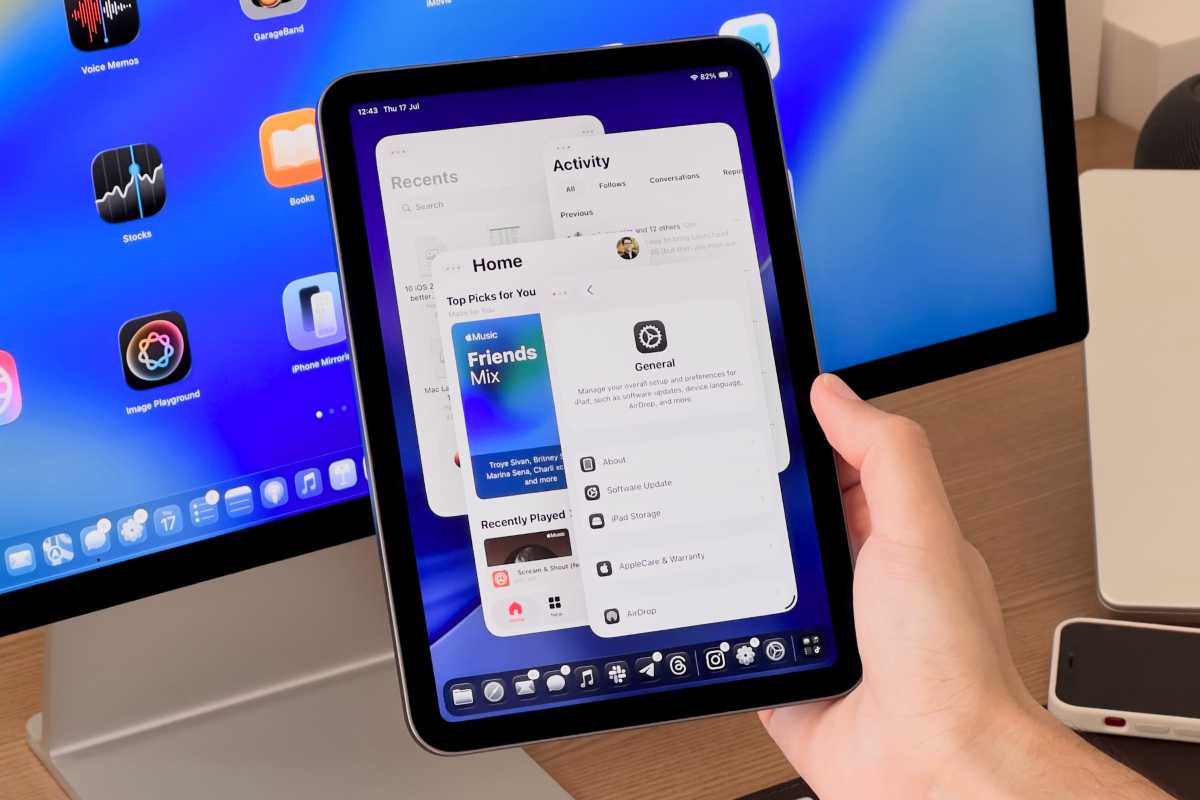
The iPad mini could get an OLED upgrade next year.
Foundry
OLED panels are brighter and provide better contrast than LCDs because each pixel is individually controlled. Currently, the iPad Pro is the only iPad to offer OLED, although it’s unclear whether the new iPad mini’s OLED panel will feature ProMotion with a higher refresh rate or remain limited to 60Hz.
As for performance, MacRumors reported that the iPad mini 8 will be powered by the A19 Pro chip – the same as the iPhone 17 Pro models. The chip is about 30% faster than the A17 Pro in the iPad mini 7. It’s not a big step forward, but it’s enough to keep the iPad mini on par with Apple’s latest devices. Additionally, another report from Bloomberg suggested that the upcoming iPad mini could be the first water-resistant iPad.
Unfortunately for iPad mini fans, the release date rumors are quite conflicting. While some think it could arrive in late 2026, it seems more likely that the iPad mini 8 will be held back until 2027.
iPad Pro: Don’t expect a new model anytime soon
Of all the iPads Apple makes, the one least likely to make headlines next year is the iPad Pro. Indeed, Apple has just released the iPad Pro M5 and it is unlikely that a new model will arrive before spring 2027, around 18 months after the release of the last model.
Apple is already rumored to be working on a new iPad Pro with the M6 chip, which has not yet been announced. However, the M6 is still a year away from being announced, as is the next generation iPad Pro.
In addition to the new chip, the next generation iPad Pro would also feature vapor chamber cooling, just like the iPhone 17 Pro. Given that Apple has already refreshed the iPad Pro design with the M4 models in 2024, another redesign for 2027 is highly unlikely.
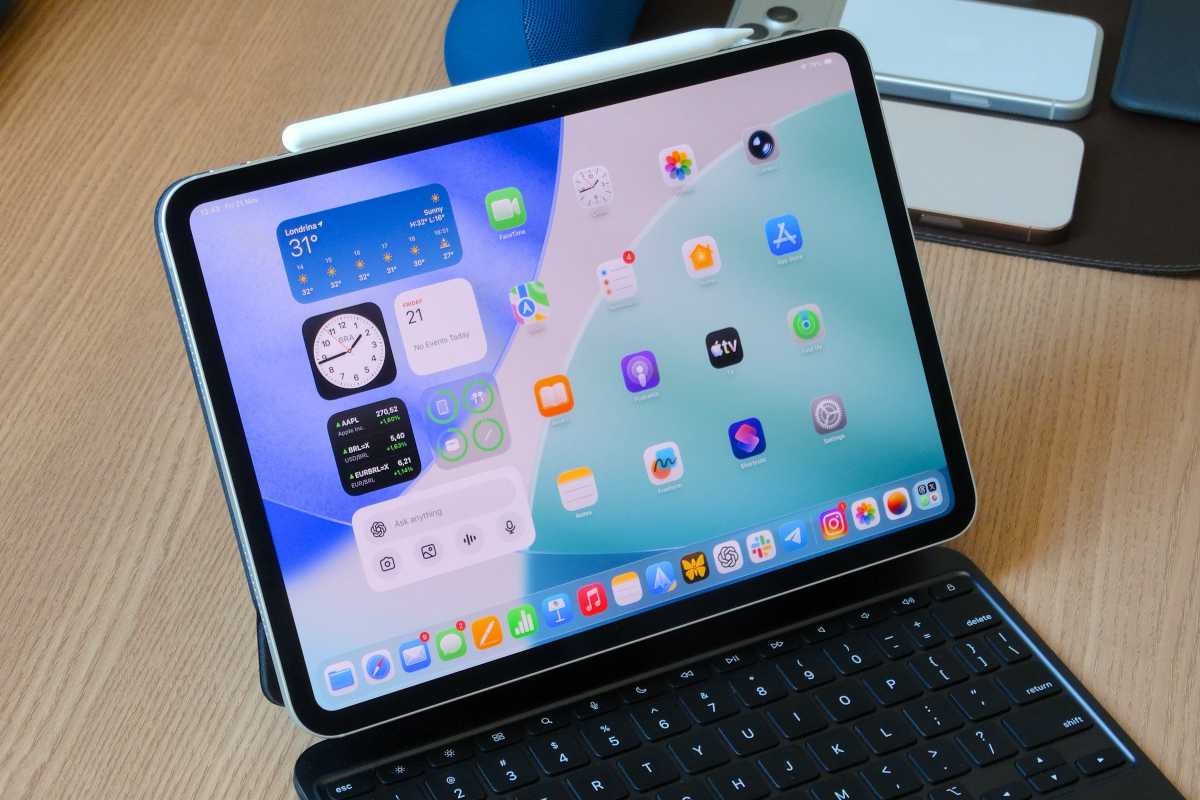
The iPad Pro probably won’t receive an update until 2027.
Foundry
Should you buy a new iPad now or wait?
Whether you should buy an iPad now or wait depends largely on the model you’re considering and the age of your current iPad.
If you’re considering the entry-level model, waiting for the next generation is definitely worth it. Despite no changes in design or display, the move from the A16 chip to the A19 chip will not only bring better performance but also allow support for more iPadOS features.
For the iPad Air, the decision is less clear-cut. The move from the M3 to the M4 won’t drastically change the experience for most users, and the current iPad Air is already extremely capable. If you find a good deal on an iPad Air M3, buying it now always makes sense.
iPad mini buyers may want to wait if possible. An OLED display and A19 Pro chip would be significant improvements, although the release schedule remains uncertain. That said, if you need a compact iPad today, the current model remains a solid option, especially since the new mini might not arrive until 2027.
As for the iPad Pro, don’t hesitate to buy one. With the M5 models just released and no major updates expected in the near future, there’s no reason to wait unless you’re specifically waiting for next-gen features like vapor chamber cooling.