4,000-year-old handprint discovered on ancient Egyptian tomb offering


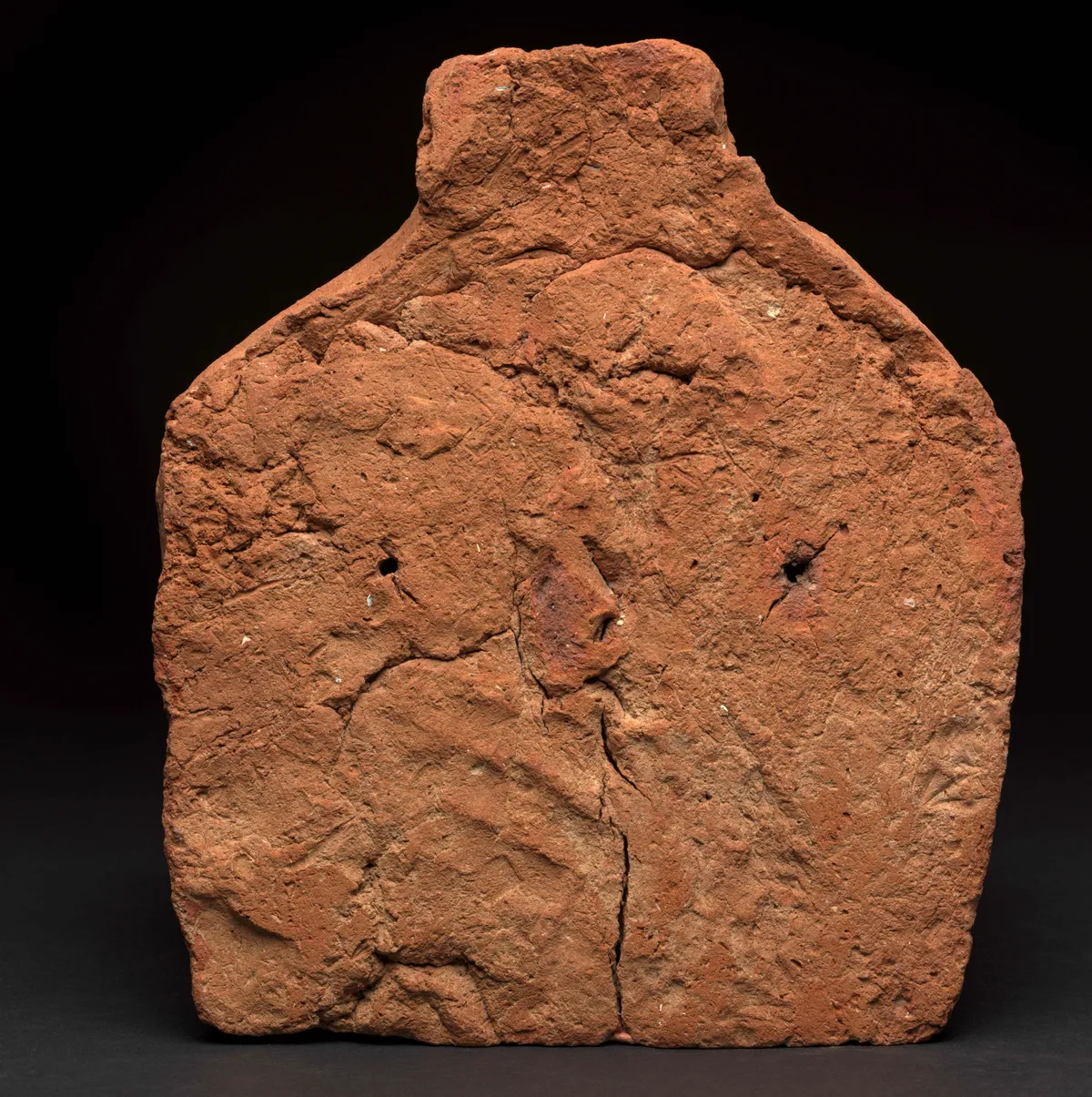
The researchers discovered a 4,000 -year -old handshake on a grave offer Ancient EgyptOffering a rare overview of the life of its creator.
The imprint of the hands was left on the underside of a “house of the soul” – a model home which could be intended to serve as a place of rest for the soul of a deceased person. According to a statement from Cambridge University to the United Kingdom
Soul House dates between 2055 and 1650 BC and came from a site called Deir Rifa, located about 174 miles (280 kilometers) north of the city of Luxor in southern Egypt, The Art Journal reported. Researchers from the Fitzwilliam Museum, which is part of the University of Cambridge, have discovered the handshake while preparing for the next museum Made in ancient Egypt exposure.
The one who made the Soul House probably left a hand footprint by manipulating the clay before she dried, said the researchers.
“We have spotted traces of fingerprints left in a damp varnish or on a coffin in the decoration, but it is rare and exciting to find a complete imprint under this soul house”, ” Helen StrudwickMade in Ancient Egypt and a senior Egyptologist at the Fitzwilliam Museum, said in the statement.
In relation: Ancient Egyptian rock art discovered near Assouan can be the dawn of the first dynasty
The potters created soul houses by building a setting from wooden sticks and coating them with damp clay. The frame then burned when the potters pulled the clay at a high temperature to transform it into ceramic.
Researchers still have a lot to learn about soul houses. The English Egyptologist Sir William Matthew Flinders Petrie (1853 – 1942) invented the term and believed that the houses had been used to provide arrangements for the beyond, according to the Egypt at the Manchester Museum Blog. However, it is not certain that they are not intended to act as houses for the spirit of the deceased or simply as symbolic offerings. The Declaration of the University of Cambridge noted that houses may have served two.
It is not known if the soul houses represented the house of the deceased or a grave. Strudwick told the Art Journal that soul houses had been placed directly on funeral trees, suggesting that they were a cheaper alternative to the chapels of developed tombs which were built next to the funeral chambers, and were therefore used by people who could not afford such luxury. However, Strudwick noted that she thought there is also a link between soul houses and the idea that the dead can return home.

Soul House with a handshake on its underwear with two levels with a row of pillars on each. The researchers suspect that the imprint of the hands was left by someone who moved the model of a workshop to dry before the dismissal, according to the press release.
This imprint of the hands is one of the relatively a few overviews of potters at work for surviving ancient Egypt.
“I have never seen such a complete imprint on an Egyptian object before,” said Strudwick. “You can simply imagine the person who did this, pick it up to move it from the workshop to dry before shooting. This brings you directly when the object was done and to the person who did it.”
Ancient Egypt Quiz: Test your intelligences on the pyramids, the hieroglyphs and the King Tut


