
https://www.profitableratecpm.com/f4ffsdxe?key=39b1ebce72f3758345b2155c98e6709c
Earth is stunning. From Iceland’s spectacular fire and ice landscapes to Yemen’s otherworldly Socotra dragon trees, our home planet hosts a diverse lineup of jaw-dropping scenery.
The 12th annual International Landscape Photographer of the Year award honor professional and amateur photographers who venture far and wide to capture nature’s beauty. (Click to expand images to fullscreen.)
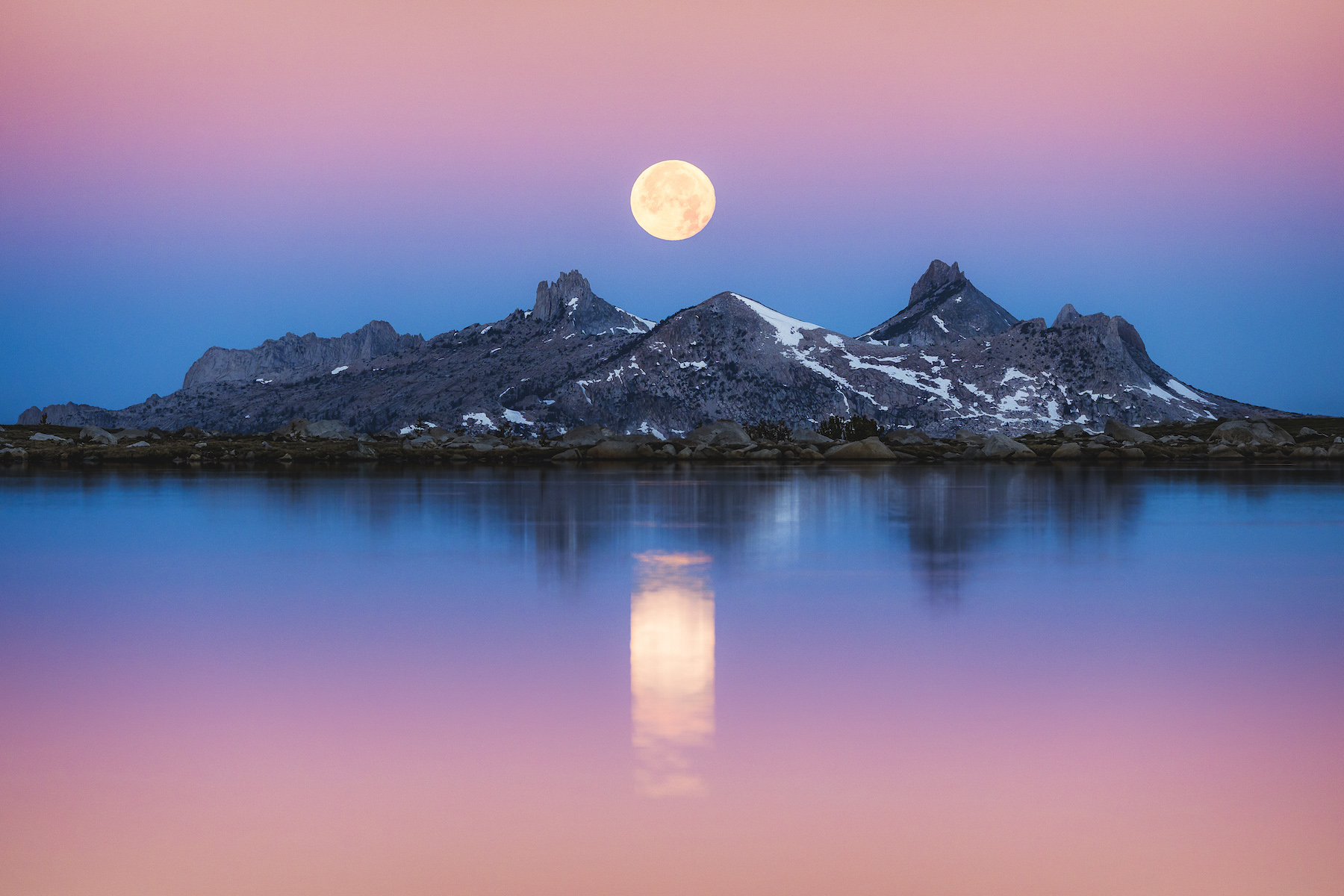
Yosemite National Park, California
2025 International Landscape Photographer of the Year Award – Top 101 Photographs Scott Oller
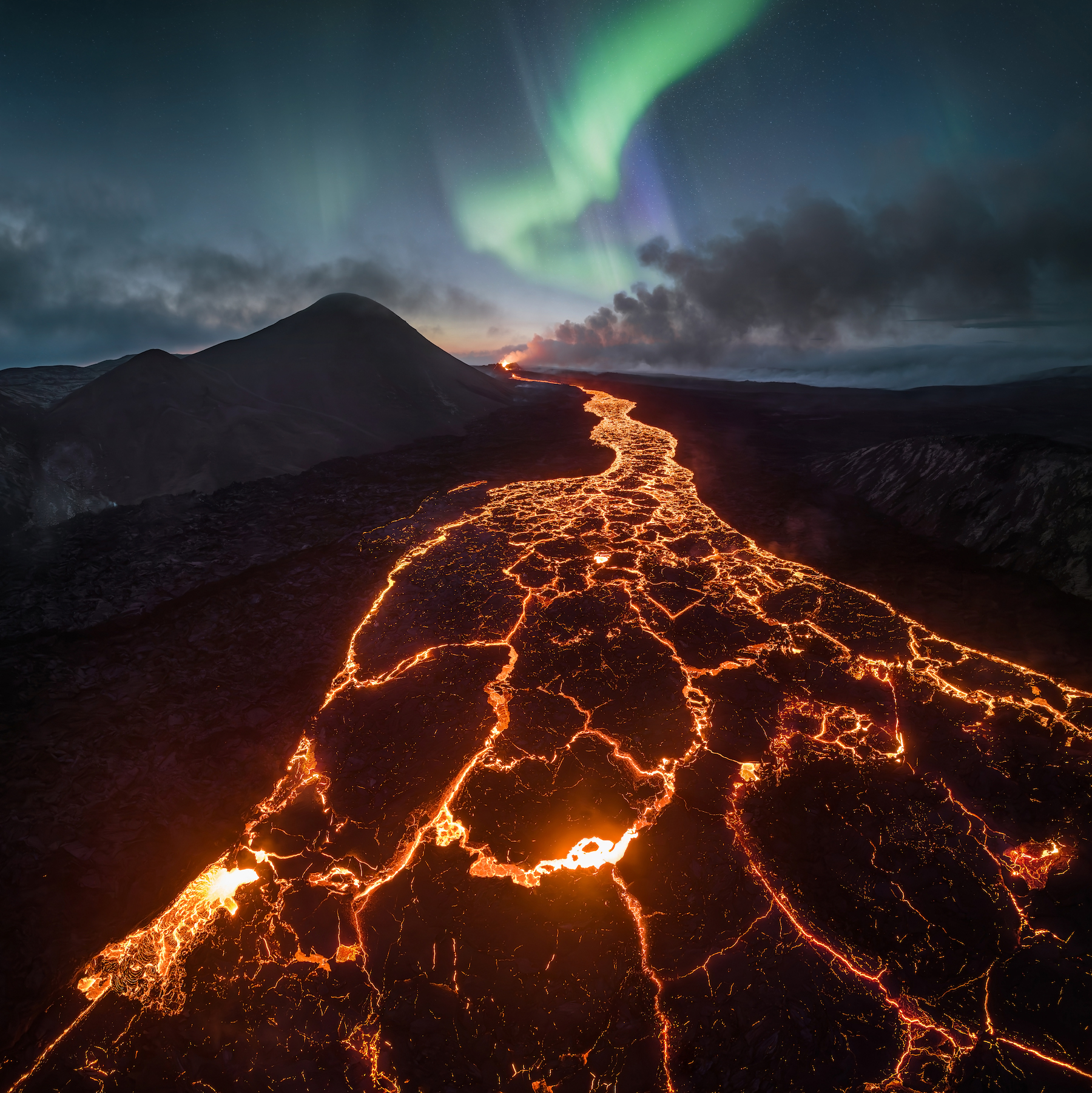
Reykjanesbaer, Iceland
2025 International Landscape Photographer of the Year Award – Top 101 Photographs Max Terwindt
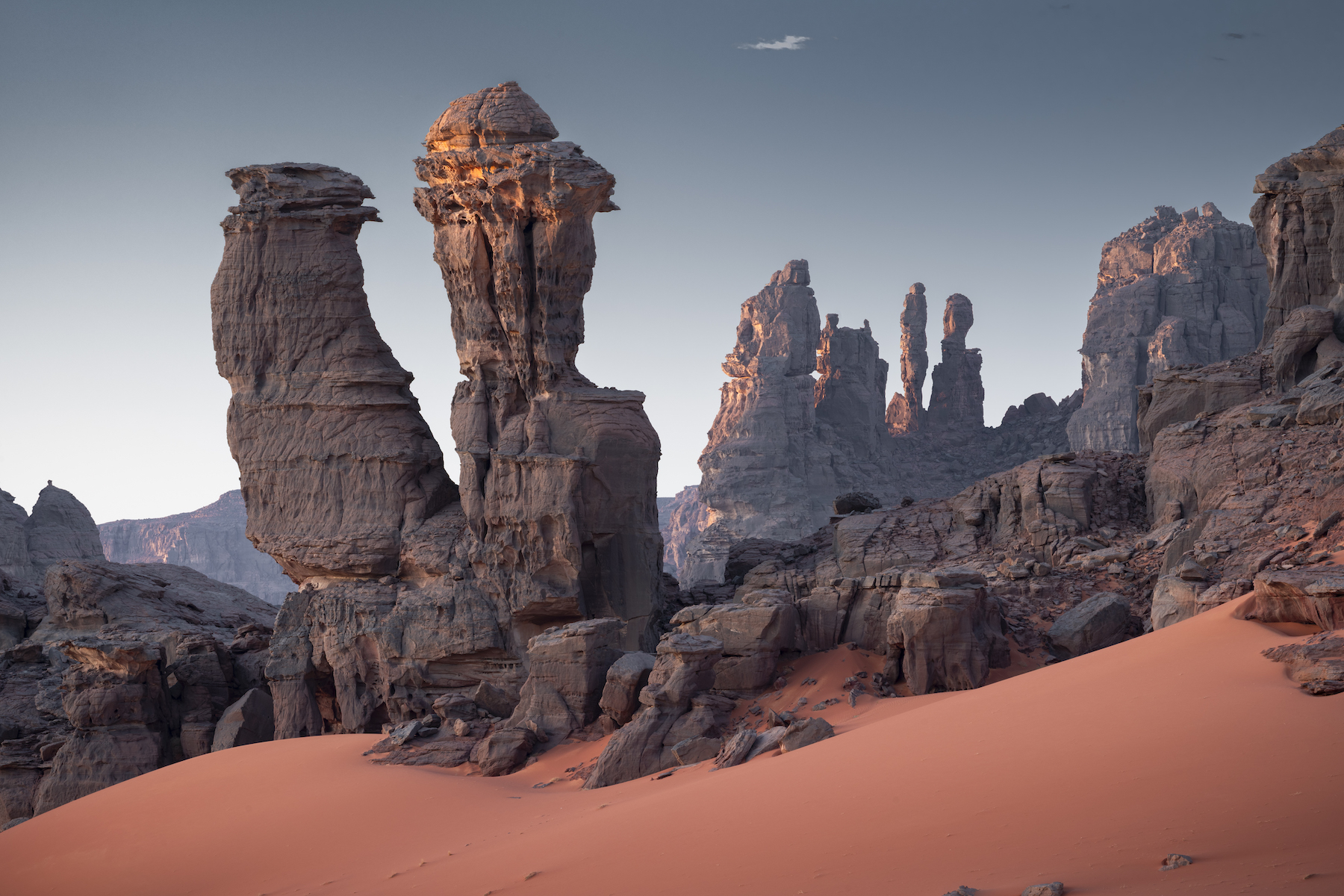
Tassili N’Ajjer National Park, Algeria
2025 International Landscape Photographer of the Year Award – Top 101 Photographs
Henrique Murta
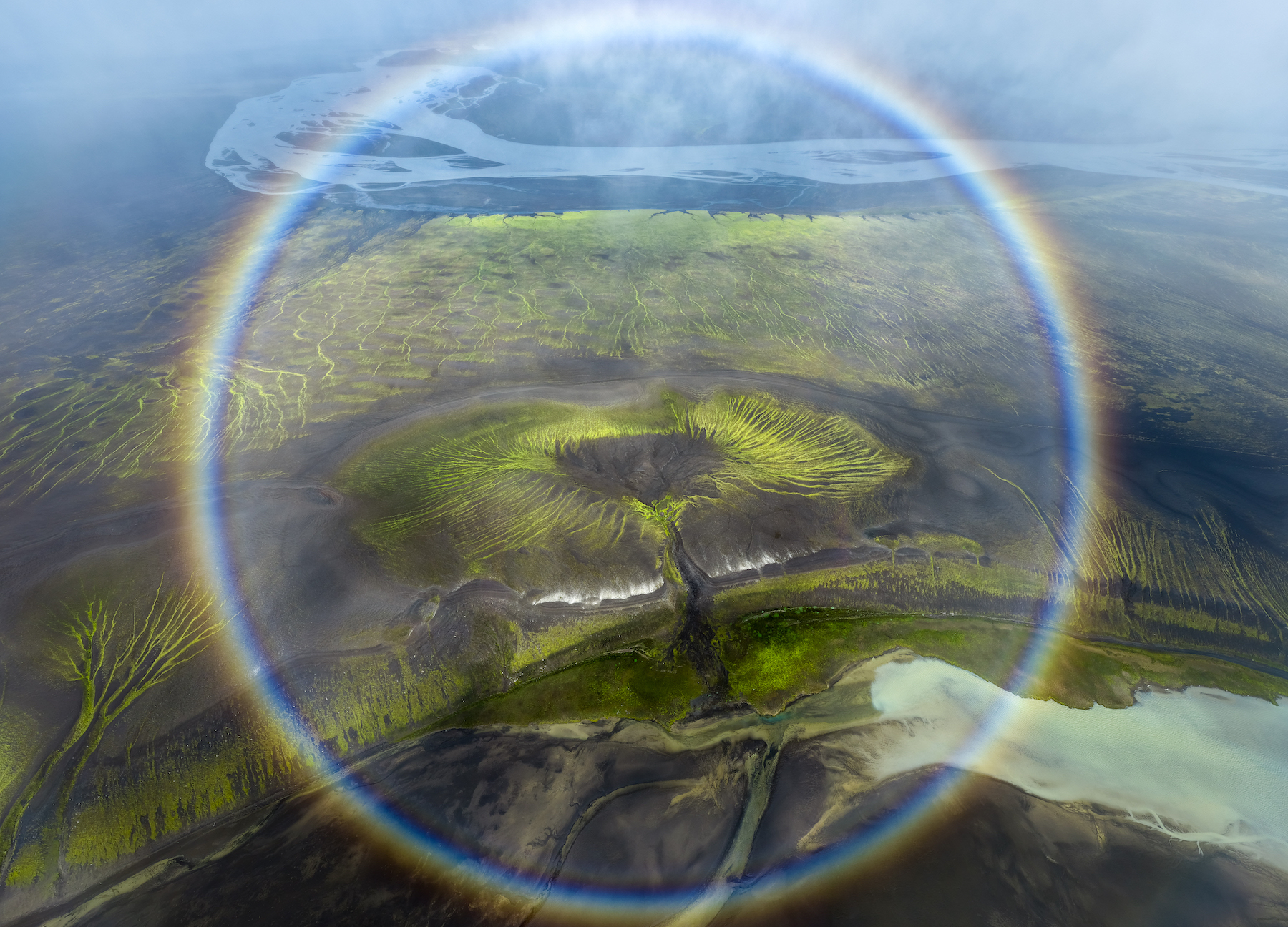
Icelandic Highlands
2025 International Landscape Photographer of the Year Award – Top 101 Photographs Jeroen Van Nieuwenhove
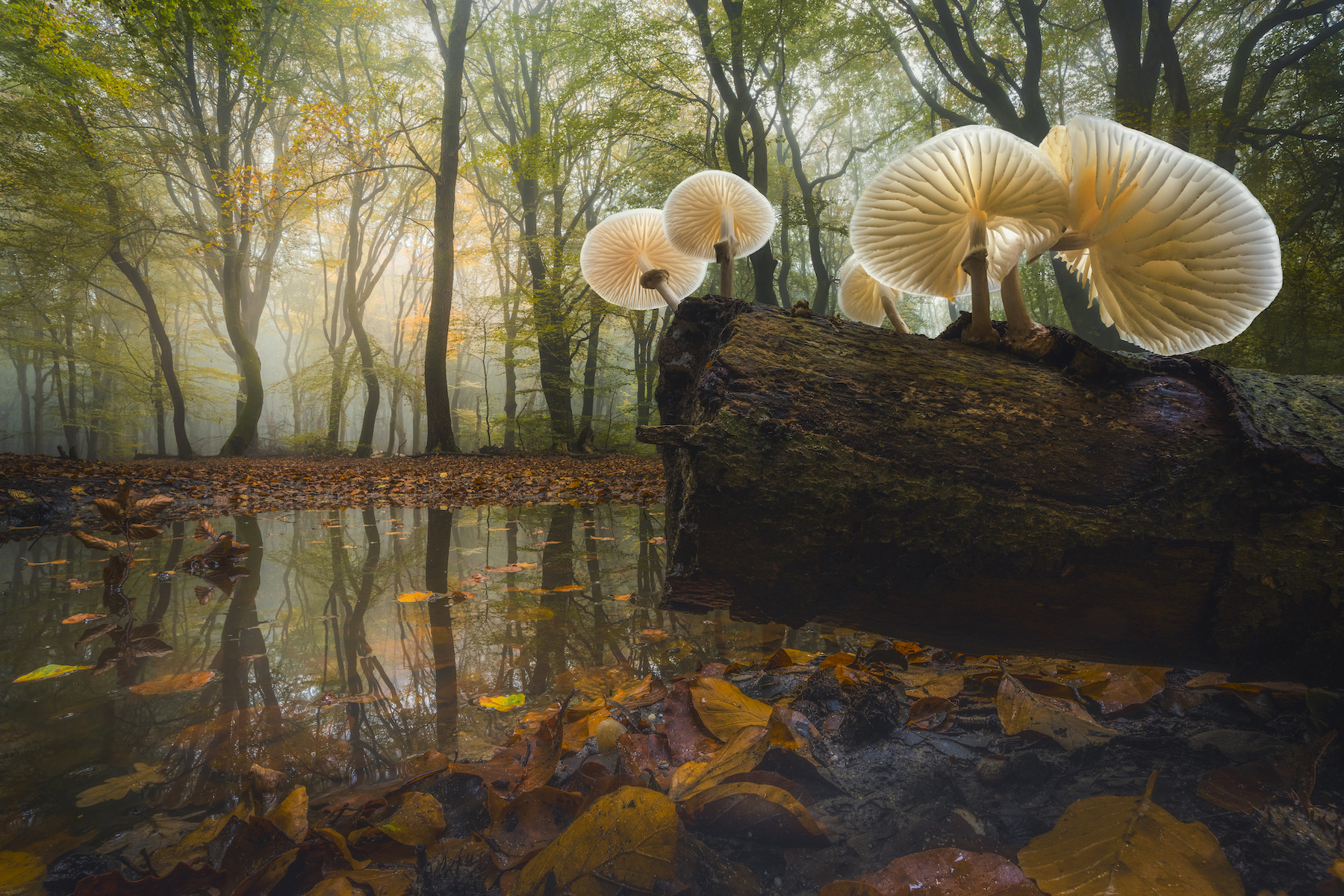
Speulder forest, Veluwe Area, the Netherlands.
2025 International Landscape Photographer of the Year Award – Top 101 Photographs Albert Dros
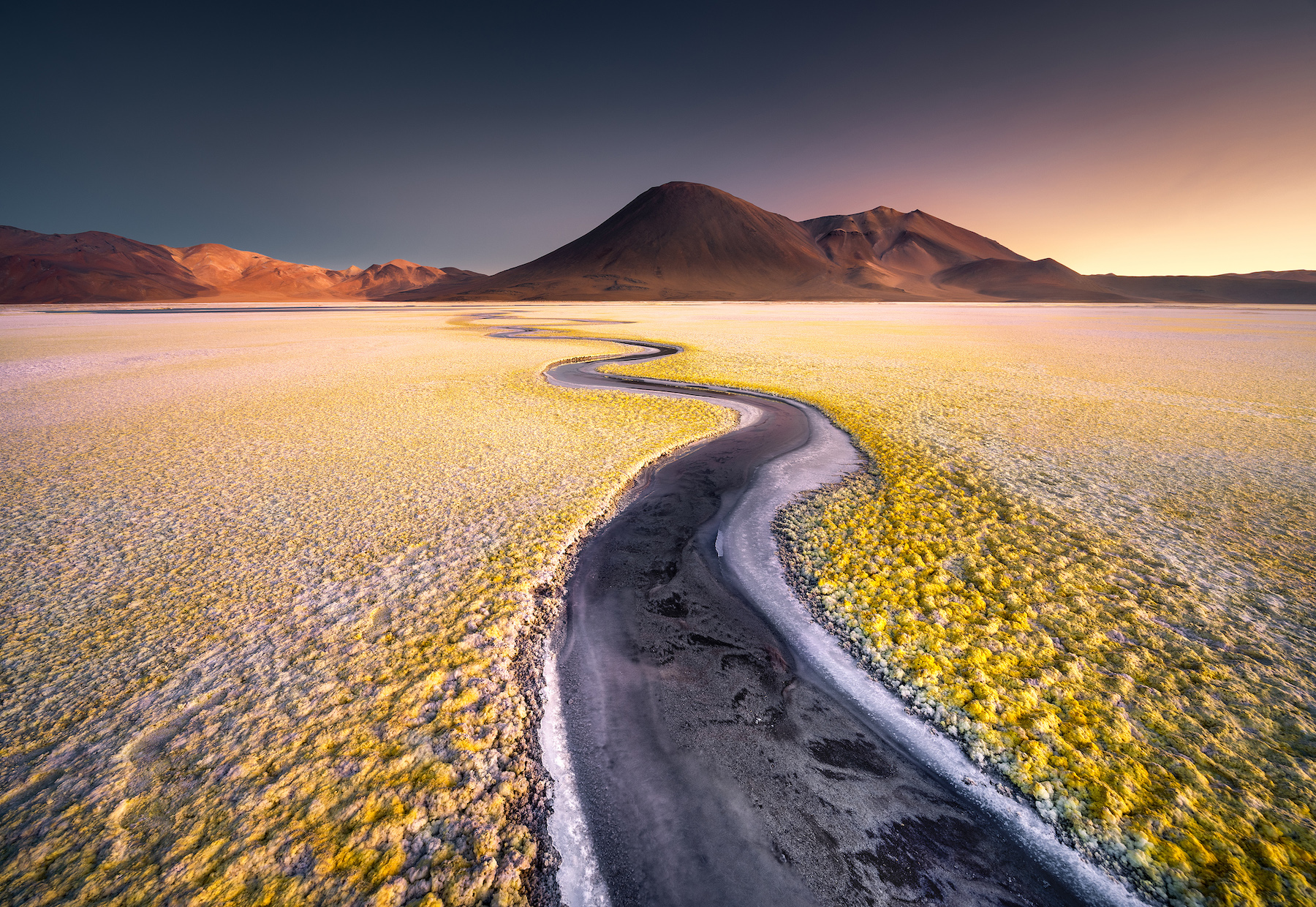
Salar de Gorbea, Atacama, Andes, Chile
2025 International Landscape Photographer of the Year Award – Top 101 Photographs Karol Nienartowicz
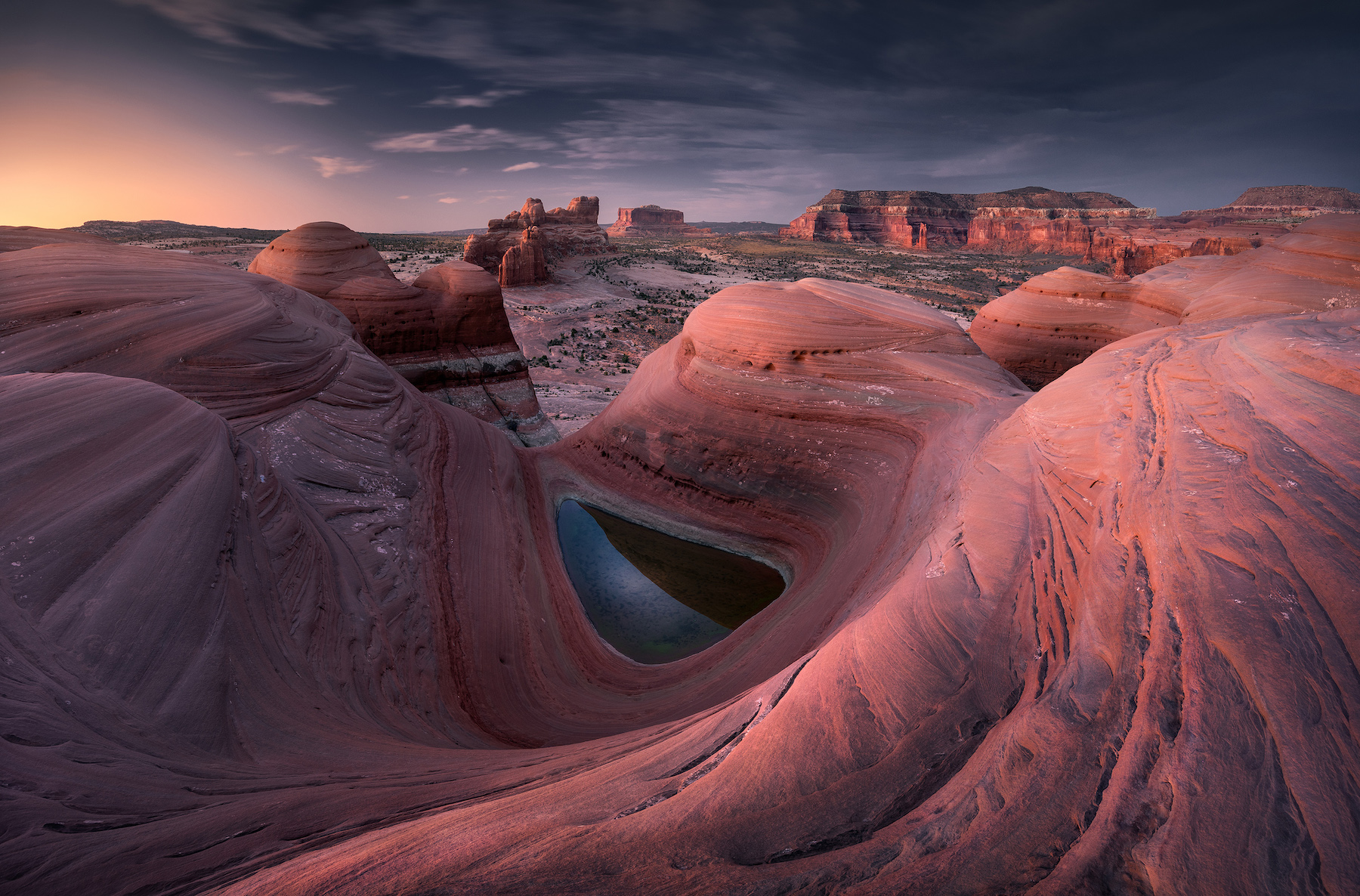
Delta Pool, Moab, USA
2025 International Landscape Photographer of the Year Award – Top 101 Photographs Karol Nienartowicz
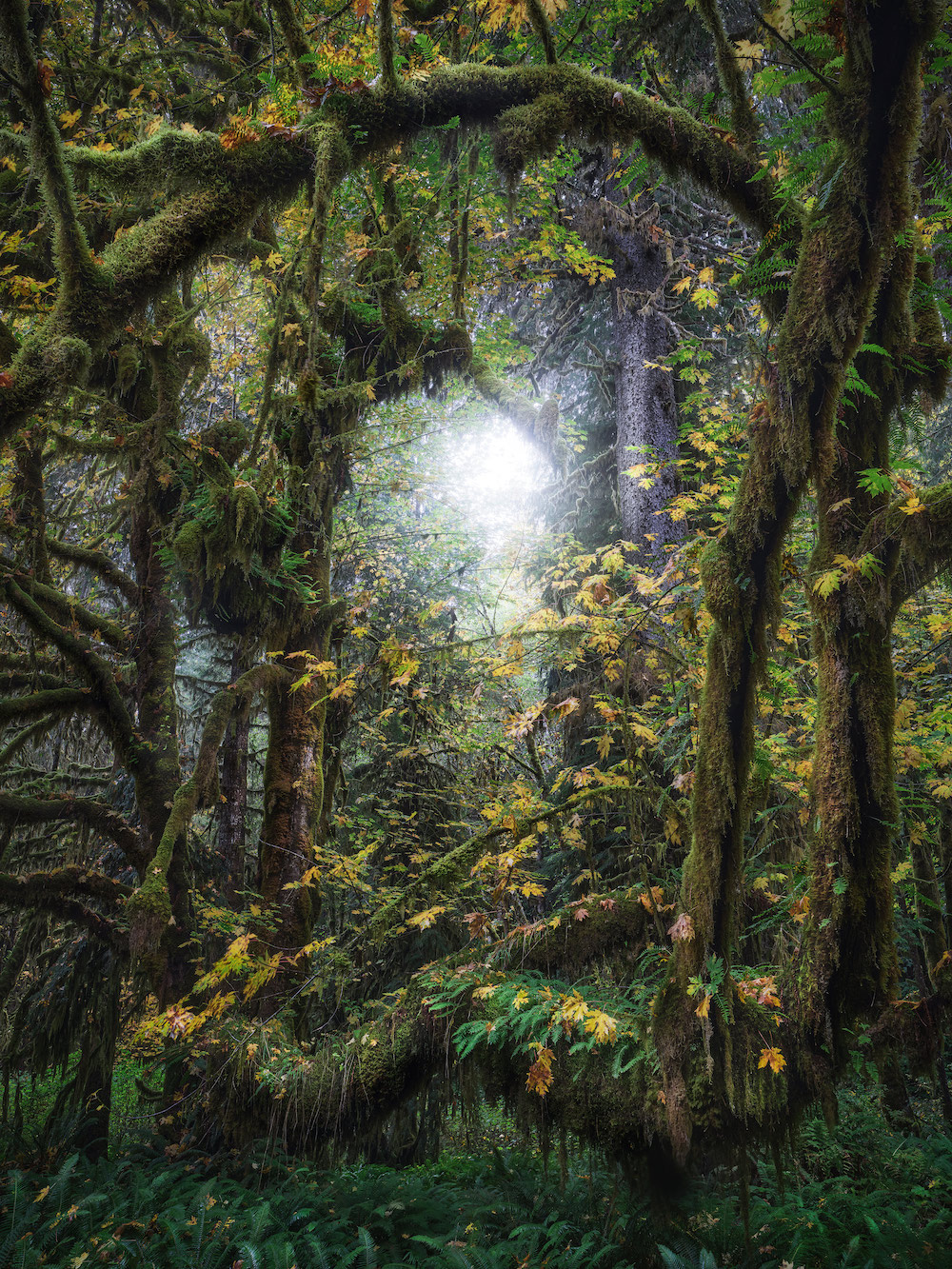
Vancouver Island BC Canada
2025 International Landscape Photographer of the Year Award – Top 101 Photographs Jinyi Han
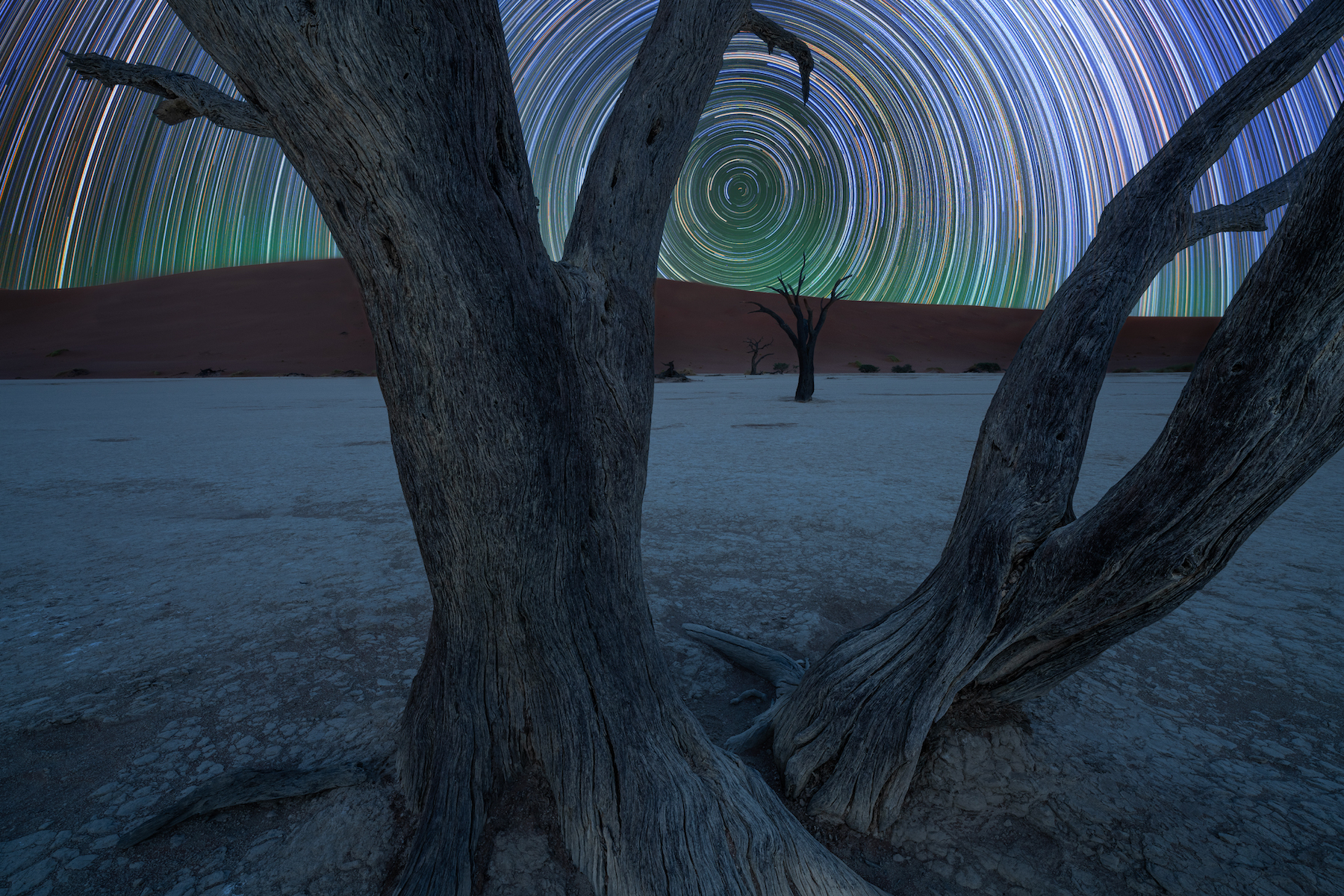
Deadvlei, Namibia
2025 International Landscape Photographer of the Year Award – Top 101 Photographs Ngar Shun Victor Wong
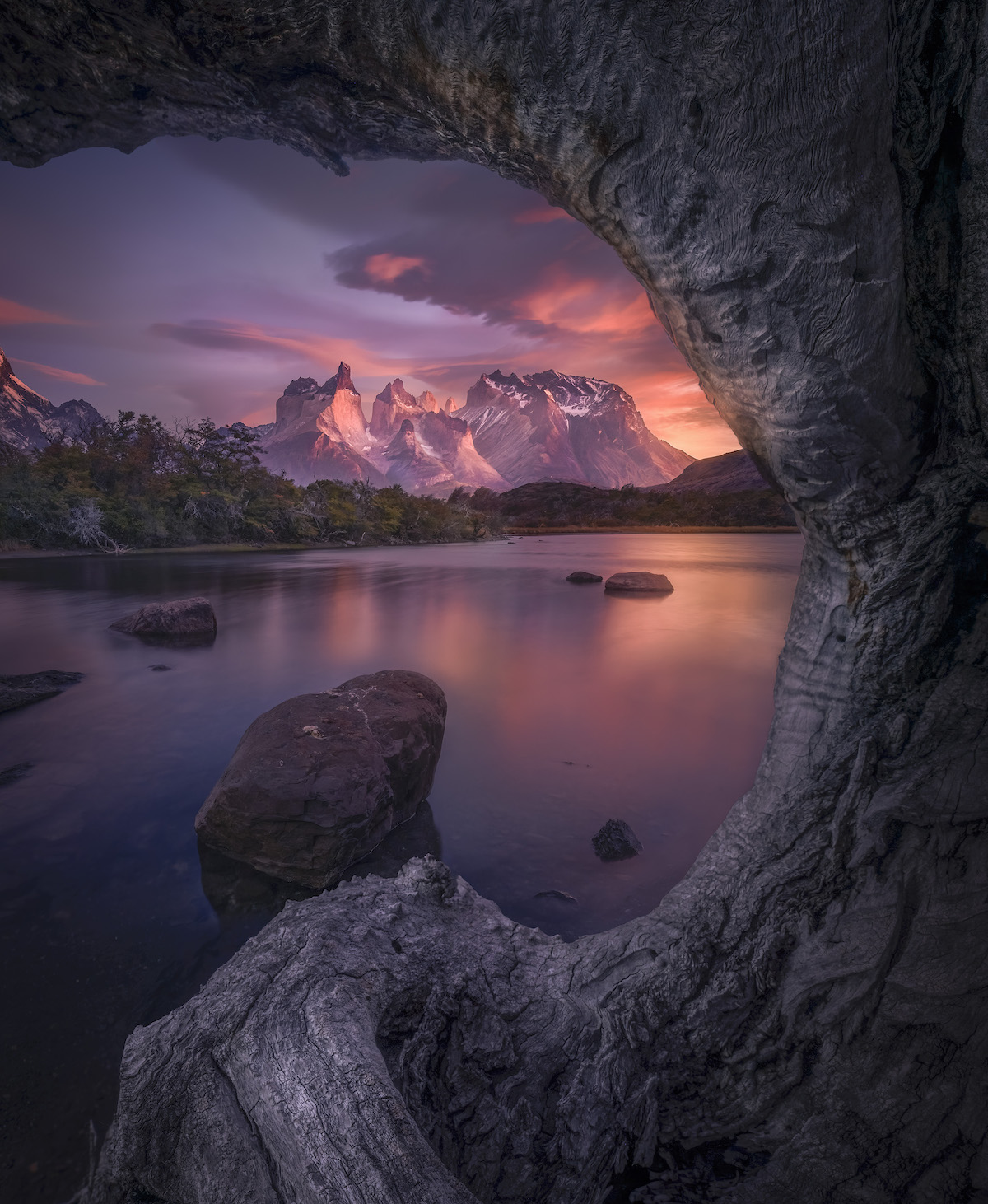
Fairytale Sunrise
Location Details: Patagonia, Chile
2025 International Landscape Photographer of the Year Award – Top 101 Photographs Joyce Bealer
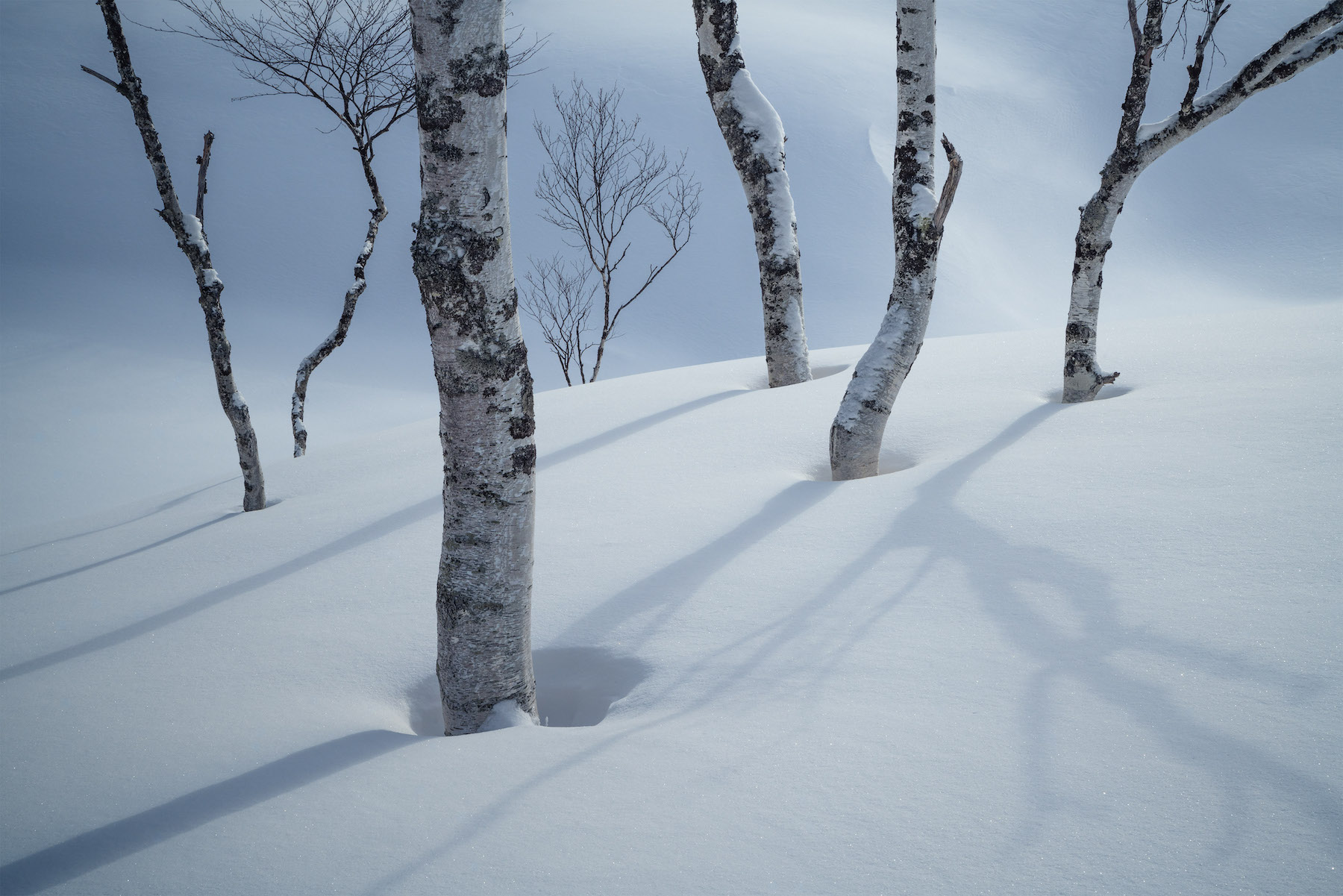
Nagano, Japan
2025 International Landscape Photographer of the Year Award – Top 101 Photographs Eric Bennett
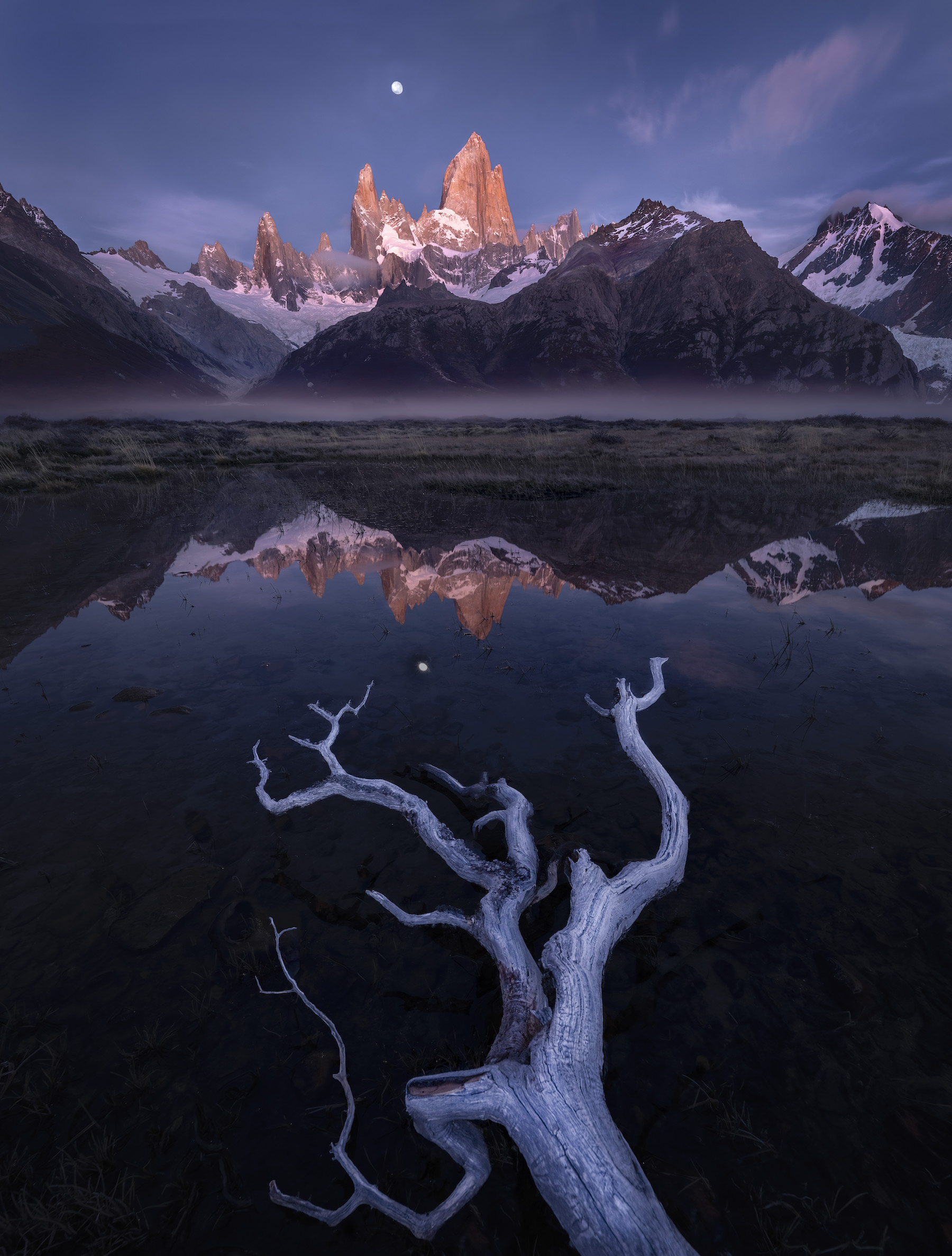
Patagonia, Argentina
2025 International Landscape Photographer of the Year Award – Top 101 Photographs Joyce Bealer
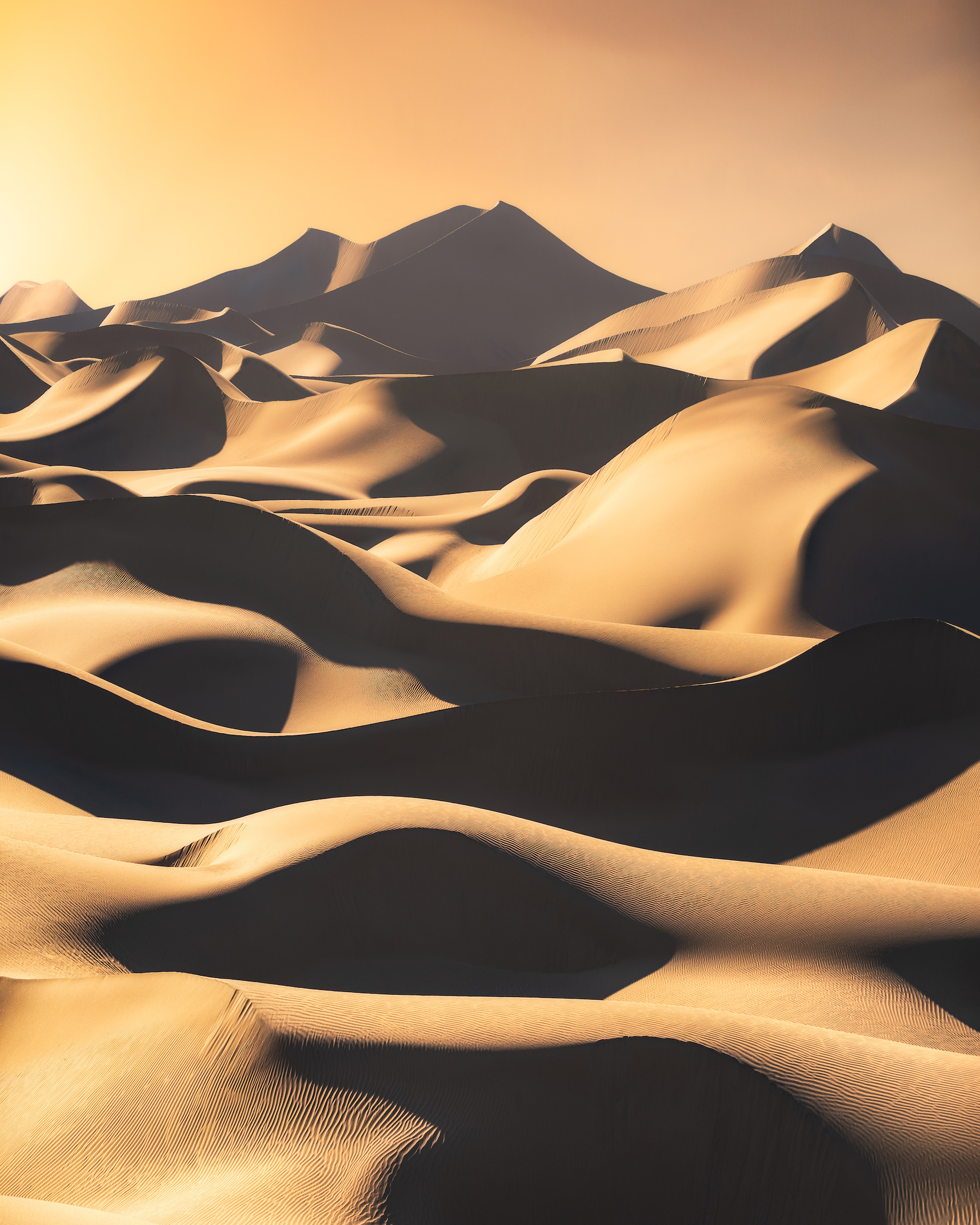
Death Valley National Park, California
2025 International Landscape Photographer of the Year Award – Top 101 Photographs Marcin Zajac
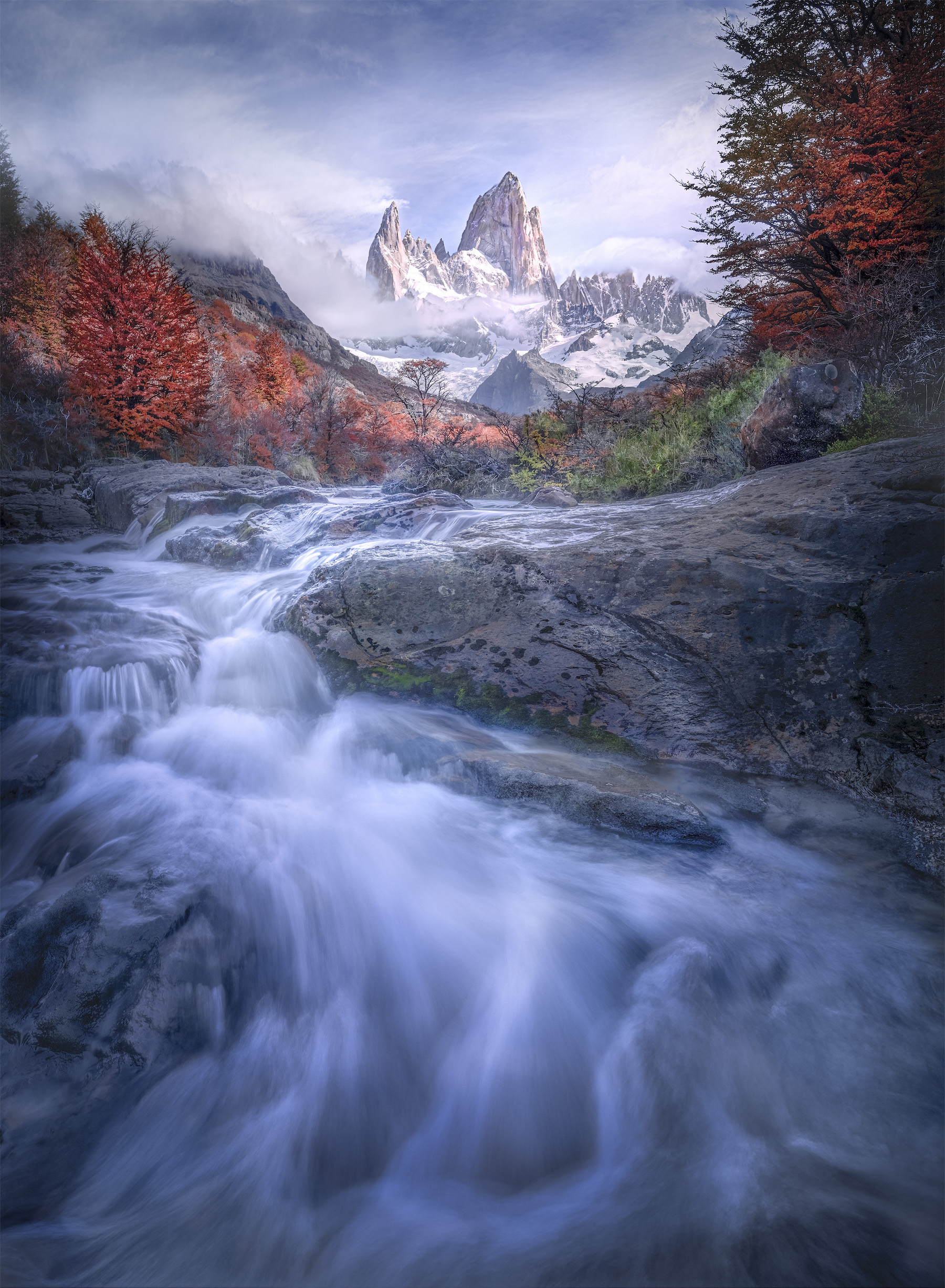
Patagonia, Argentina
2025 International Landscape Photographer of the Year Award – Top 101 Photographs Joyce Bealer
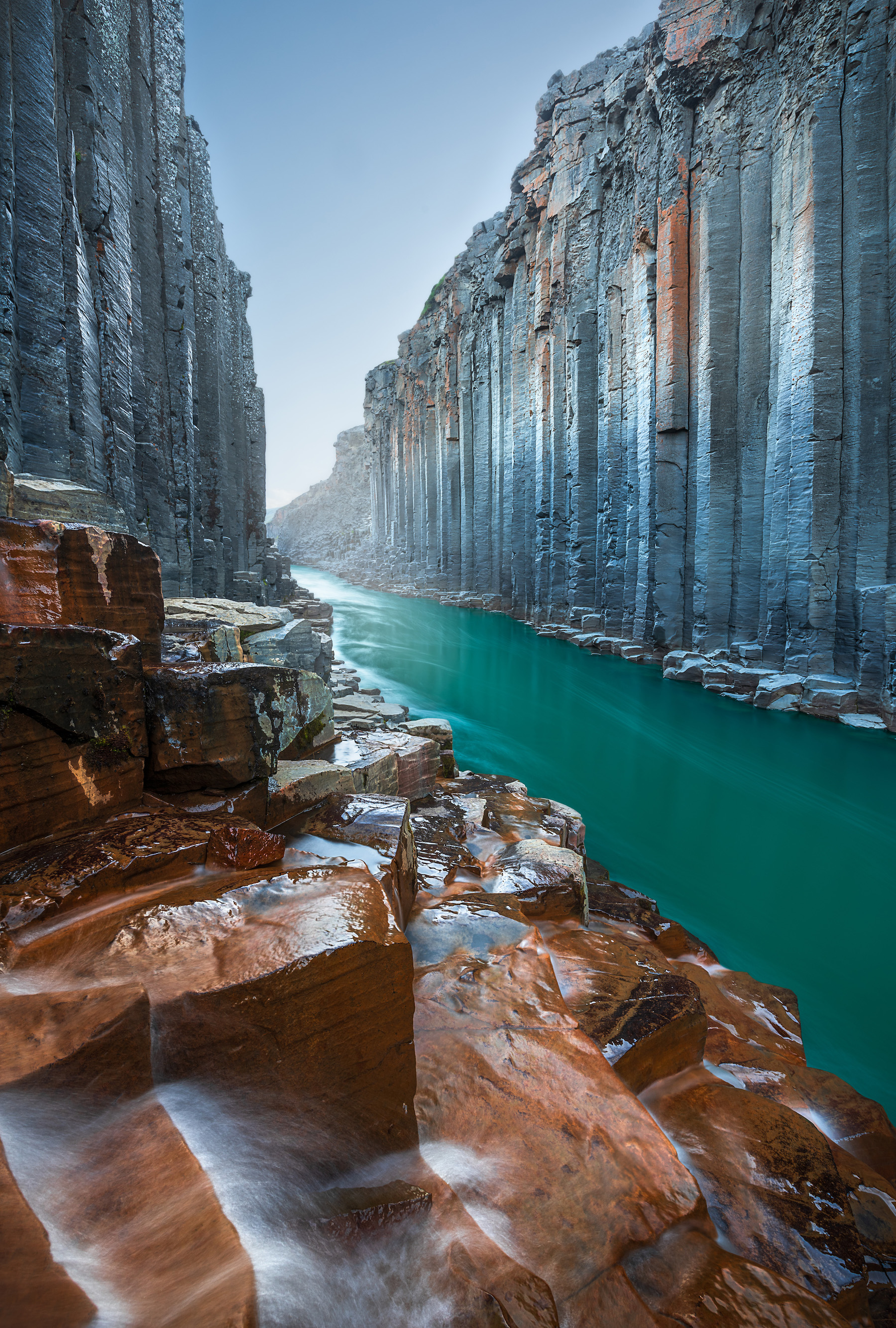
Studlagil Canyon, Iceland
2025 International Landscape Photographer of the Year Award – Top 101 Photographs Marcin Zajac
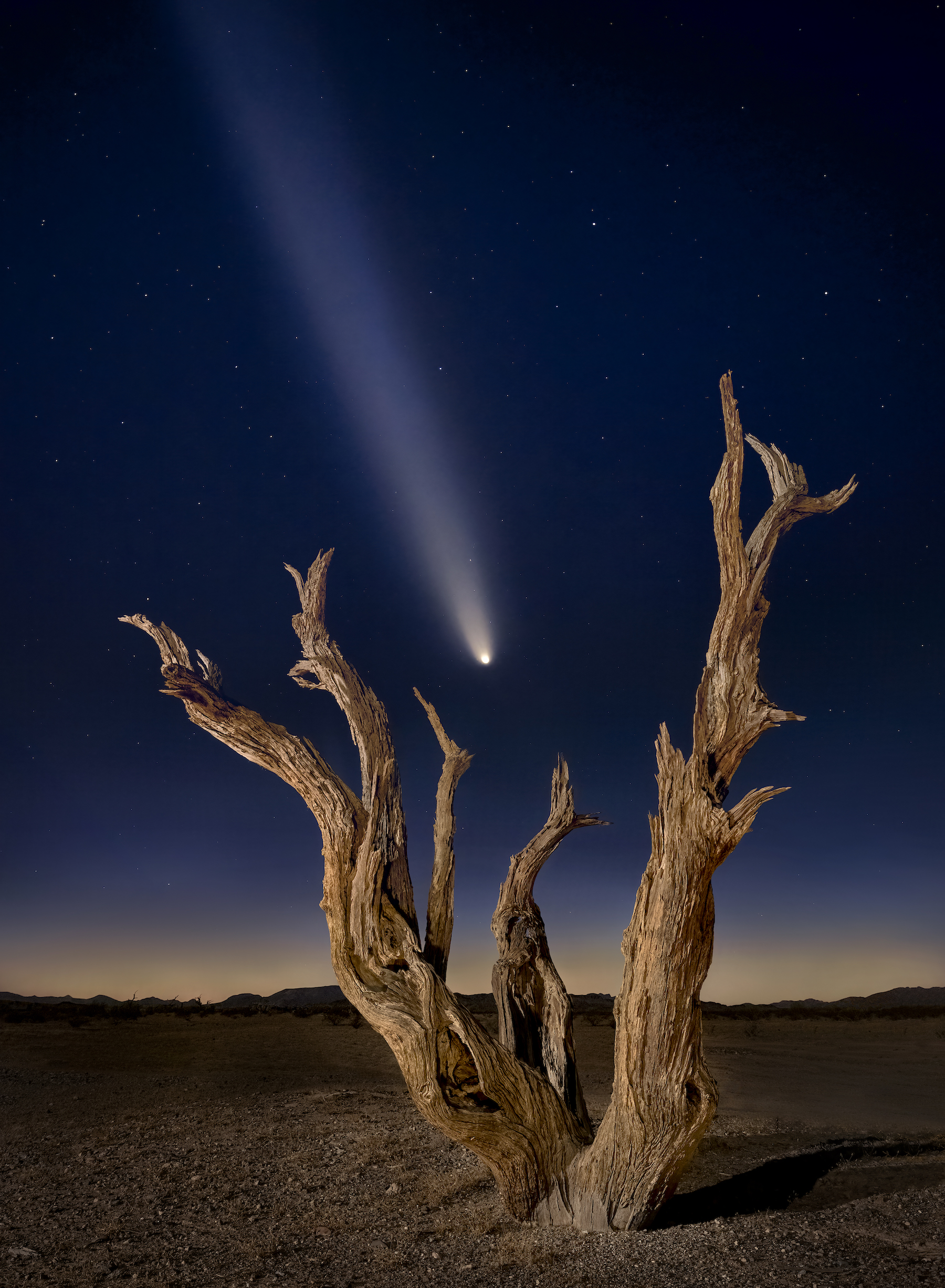
Sonoran Desert, Arizona, USA
2025 International Landscape Photographer of the Year Award – Top 101 Photographs “DAVE DROST 949 836 3376”
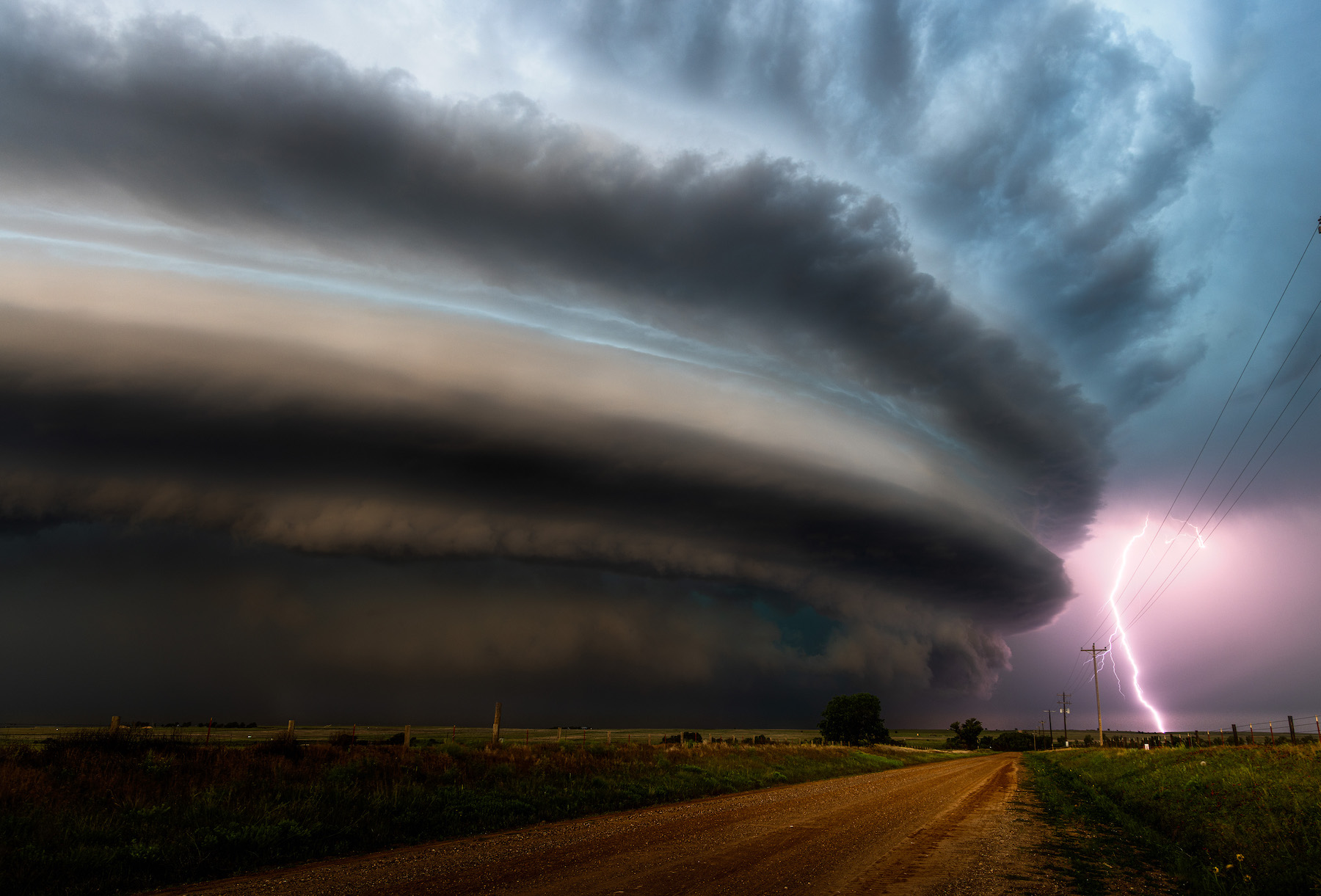
Supercell
Location Details: New Mexico of USA
2025 International Landscape Photographer of the Year Award – Top 101 Photographs Dennis Hualong Zhang
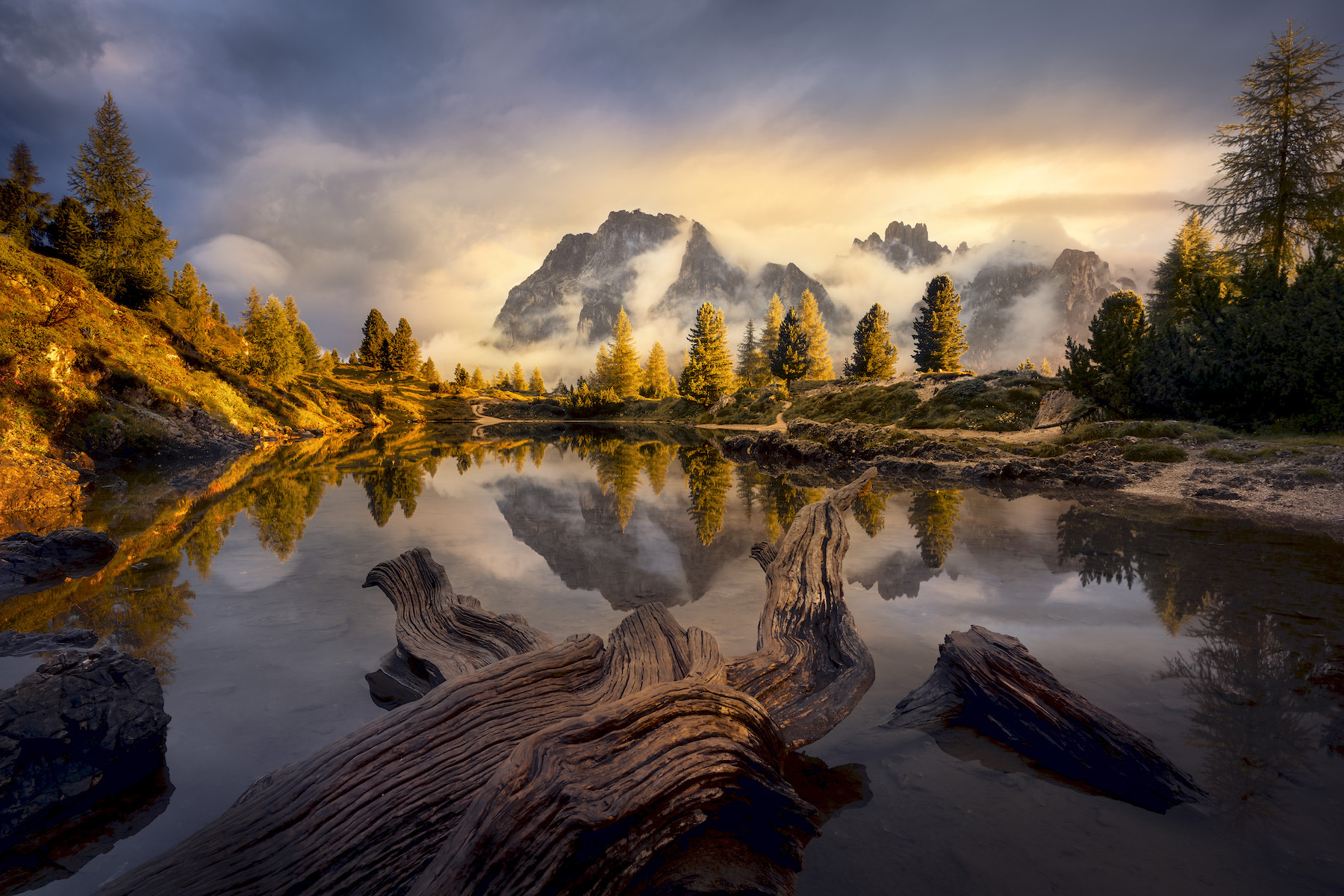
Dolomites, Italy
2025 International Landscape Photographer of the Year Award – Top 101 Photographs Martin Mor?vek
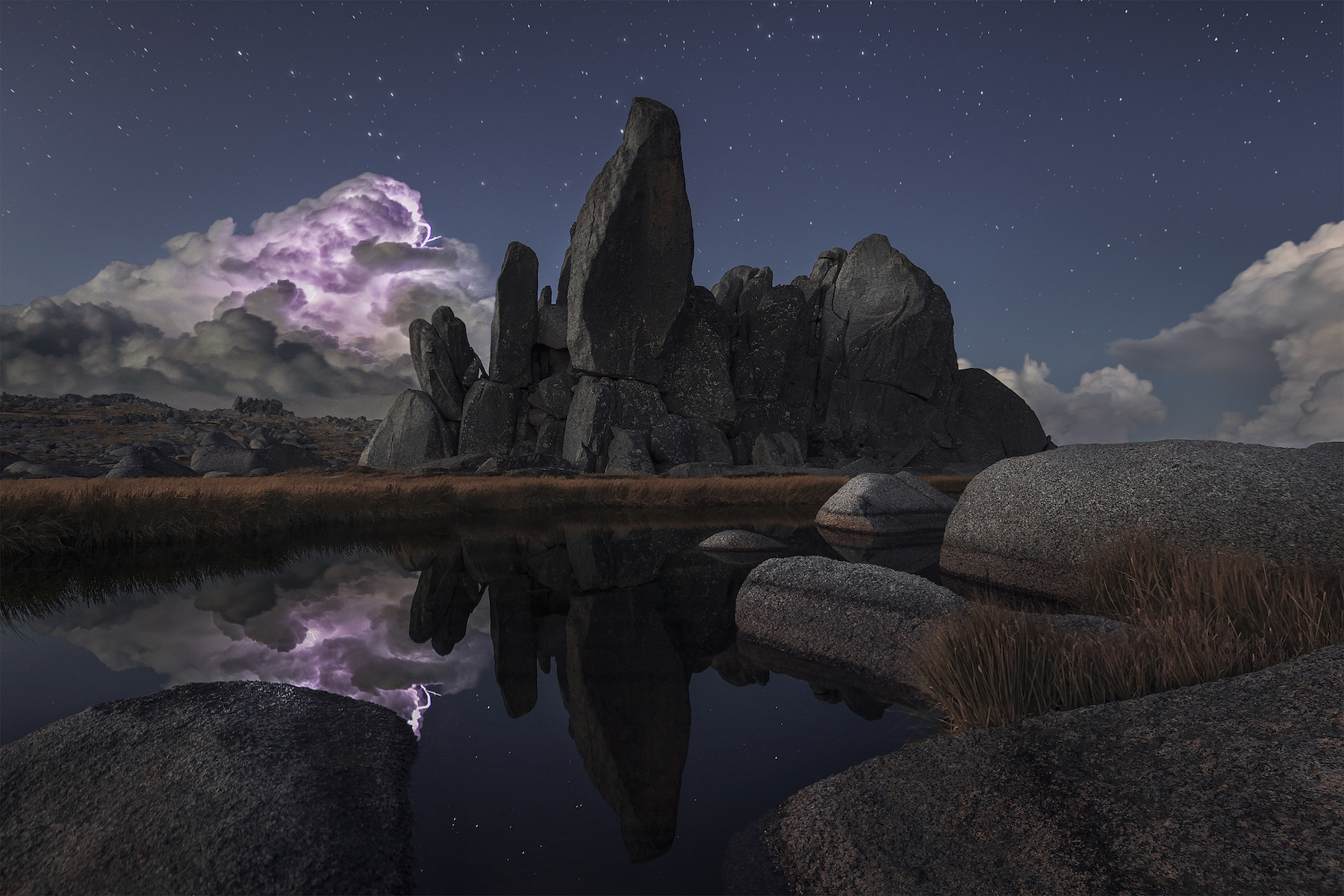
Kosciuszko National Park, NSW, Australia
2025 International Landscape Photographer of the Year Award – Top 101 Photographs Shaun Pau
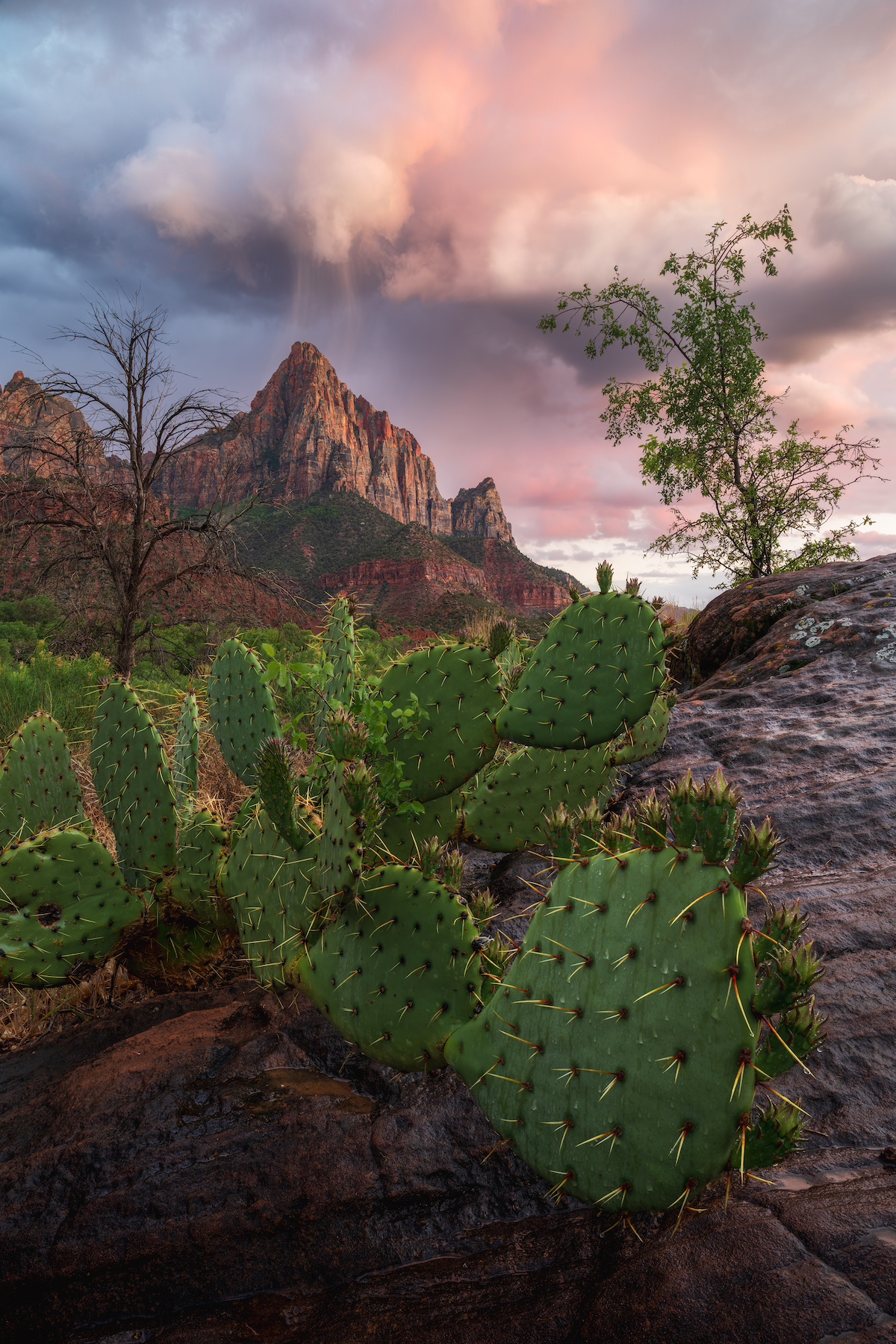
Zion National Park, Utah, USA
2025 International Landscape Photographer of the Year Award – Top 101 Photographs Justin Leveillee
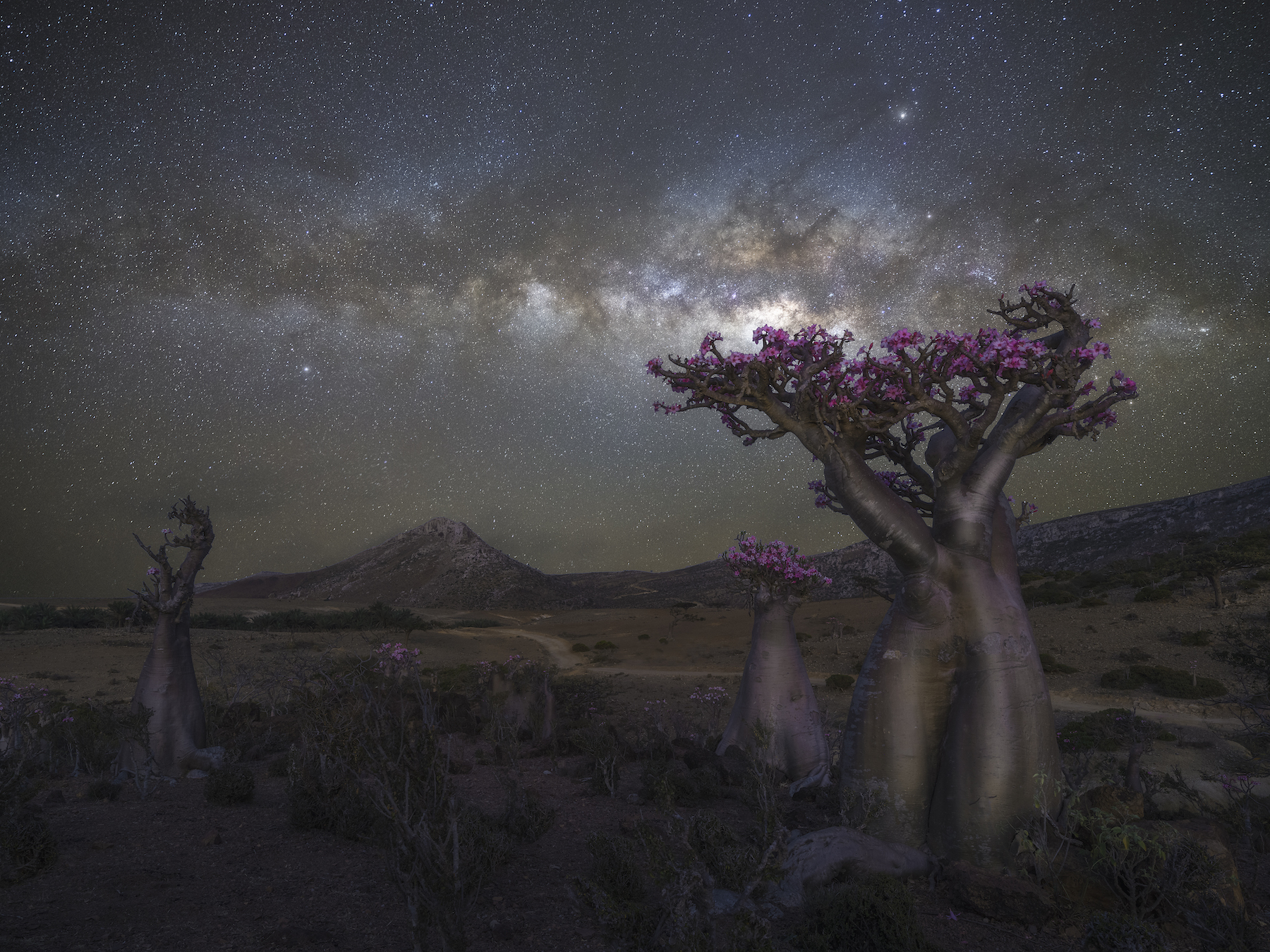
Socotra Island, Yemen
2025 International Landscape Photographer of the Year Award – Top 101 Photographs Wenbin Xia

2025 PopSci Outdoor Gift Guide


