
So you want to be a PC user that doesn’t have to rely on IT support for every little thing? You want to deal with most issues on your own, and feel in control of your computer?
Well, the good news is that you can absolutely handle most of your PC issues yourself, and maintain your computer on a daily basis, but that means gaining a certain set of basic skills. Here’s a handly list of things you should be able to do if you’re a PC user—and where to find the knowledge.
5
Entering the BIOS/UEFI

The BIOS (Basic Input Output System) or UEFI (Unified Extensible Firmware Interface) on more modern computers is the basic set of programs that allow the computer to power on, operate its hardware, and interact with the operating system.
Knowing how to enter your BIOS/UEFI is something any PC user should know how to do. If you can access the settings here, you can resolve a long list of issues that stem from low-level issues on your computer. For example, this is where you need to go to enable or disable secure boot, which can affect whether a given operating system can be installed on your system.
4
Making and Using Bootable USBs
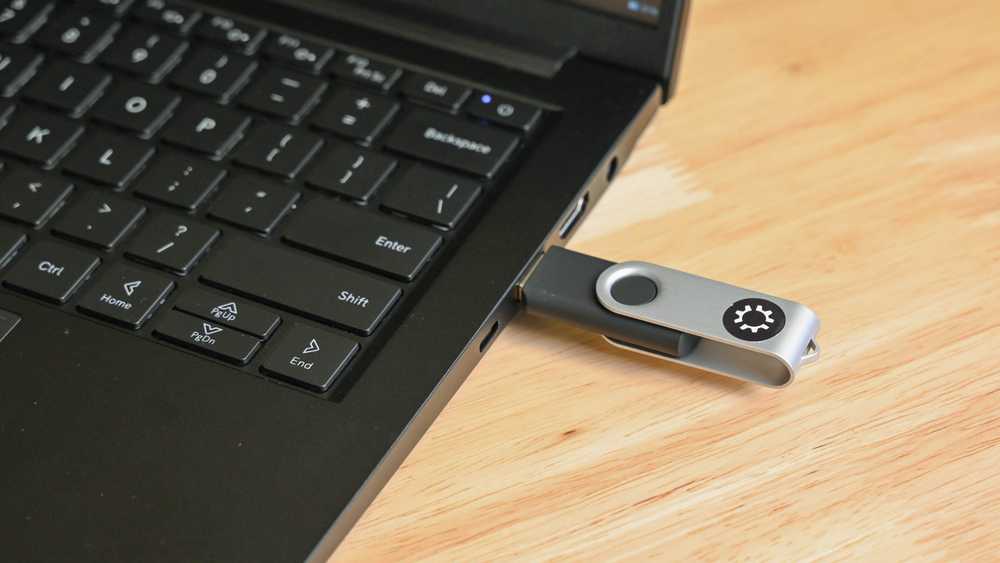
Most computers don’t have optical drives anymore, though this skill also applies to discs. Bootable media like CDs, DVDs, and USB drives are how you get a computer with a blank or corrupt hard drive going. This is the first step before installing one or more operating systems, and bootable live media are also essential to deal with certain computer problems such as pernicious viruses.
So don’t delay, get one or two USB thumb drives you don’t need and learn how to make a bootable Windows 11 USB stick or making a Linux bootable USB drive.
3
Installing an Operating System From Scratch

Getting bootable media to boot is just the start. If you need a new operating system on a computer, you still need to go through the whole process of installing the OS to the main computer drive. These days it’s not that hard compared to the days of early DOS, WIndows, and especially early Linux distros. I never did manage to get Red Hat to work back in high school!
You’ll particularly want to know how to do a clean install of Windows, since many OEMs stuff their computers with bloatware, and it’s faster just to wipe a new computer and put a clean install of Windows on there instead of trying to hunt down every PUP.
2
Installing and Updating Drivers

So you’ve got a new operating system, or even one that’s been running for a while, and so now it’s all good right? Well, no. The OS still needs to know how to fully use the hardware in your system. Which is where hardware drivers come into the picture.
In the case of Windows 10 and Windows 11, the OS will largely find the right drivers or already have a good driver built in. However, when something goes wrong—ironically, usually because Windows botched a driver update—you’ll have to fix the issue manually by using Device Manager. For certain hardware, graphics cards in particular, you’ll have to find, install, and maintain your drivers manually no matter what, because you always want the latest version straight from the manufacturer if possible.
If you’re running macOS, well don’t worry about it. If you’re running Linux, pray you never have to install a driver manually, but for something like NVIDIA GPUs on Linux, you’ll have to follow the steps very carefully, because you have no other choice.
1
Recognizing and Ending Problem Processes

Every program that runs on your computer spawns one or more processes that are managed by the operating system. Sometimes these processes go rogue, hang, slow down your computer, or otherwise interfere with the normal operation of your system.
Every modern operating system you might use today has a tool that lets you monitor what processes are running. how resource-heavy they are, and whether the process is having some issue.
In Windows, it’s the Task Manager; on macOS it’s the Activity Monitor, and on Linux it depends on the distro and your preferences. Either way, it’s a good idea to become familiar with these tools to kill errant processes after learning how to identify them. It’s also a great way to figure out which programs are causing issues, so you can concentrate on replacing or repairing the culprit.
Of course, there’s always more to learn, but I think anyone who can do the five basic things on this list is well on their way to understanding and operating their PCs well enough to fix most issues. Of course, we’ve got plenty of helpful guides right here, so free help is always just a click or two away.


