5 things to know about the fungal infection valley fever


What is the fever of the valley and how is it spread?
Valley fever is a infection widespread by a fungus that grows in the grounds of the soil in certain parts of the American West. It is transmitted when the soil is disturbed and the fungal spores become in the air. People and animals – like dogs, cats, sheep and cattle – fall sick by inhaling spores. The valley fever cannot be transmitted from one person to another.
The disease mainly affects the lungs, but it can also spread to other parts of the body. While most people have light symptoms, or even any people, some people become very sick and require hospitalization.
The epicenter of the disease is the American Southwest, including Arizona and South California, but the fungus, called Coccidioides,, is as far north as the state of Washington and the South in Mexico, Central America, and in certain parts of South America. The fungus has recently been found in other parts of the West of the United States, which may be due in part to climate change producing environmental conditions which feed its growth.
Who is most at risk?
Anyone who lives, visits or works in the fields where the fungus exists can obtain the valley fever. People who work in agriculture, construction and other activities that involve working in or around disturbed dirt and external dust are more at risk.
Some demographic data are also more at risk of more advanced forms of the disease. These include men, people of African and Philippine origin, women in their third trimester of pregnancy, HIV / AIDS and patients with cancer, and those who are immunocompromised.
How can you prevent infection with the valley fever?
There is no means of prevention, although the use of N95 masks in dusty areas where the fungus develops can help reduce your risk. A dog vaccine should be available at the end of 2025, and a human vaccine is currently being developed at an early stage.
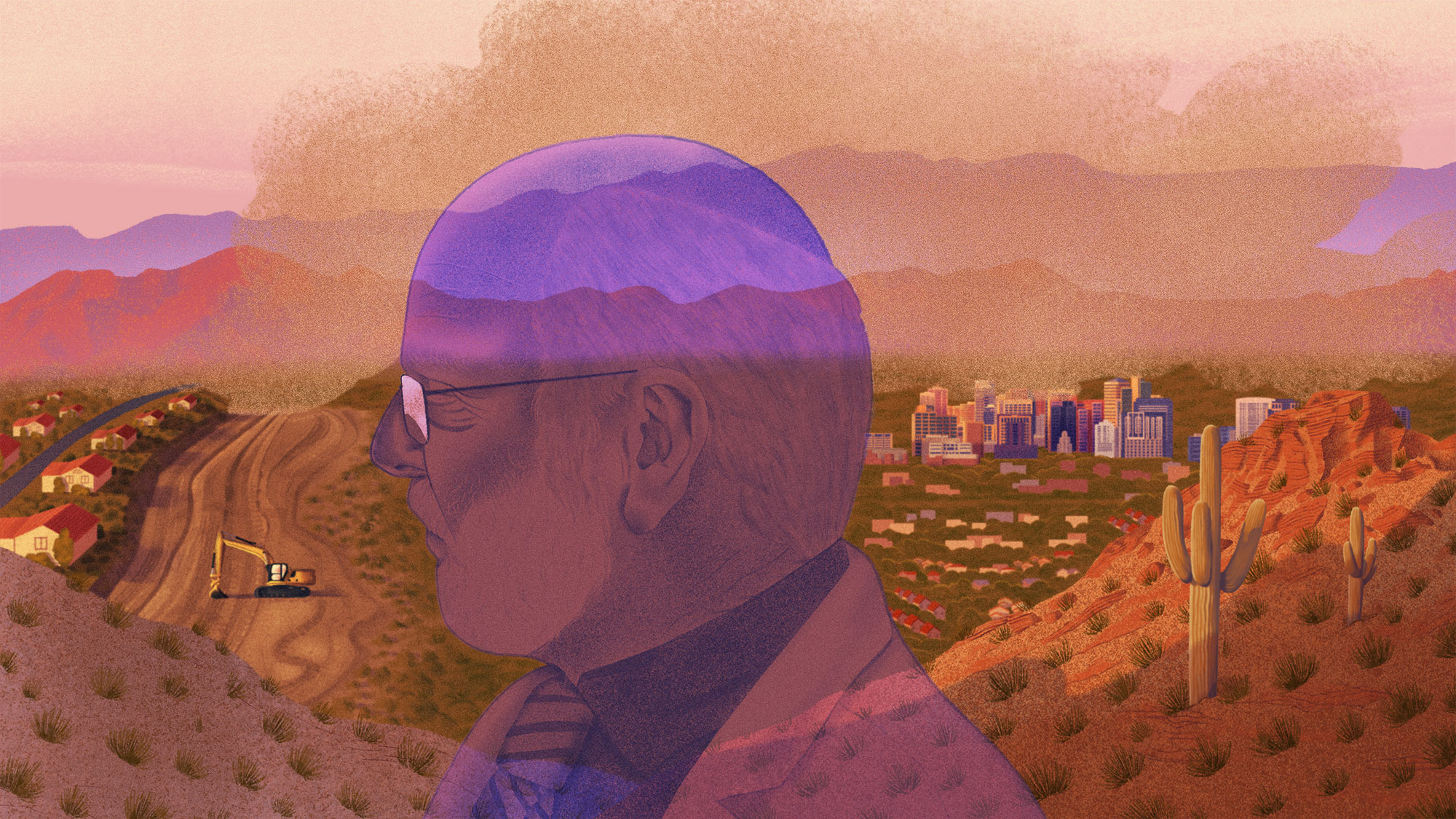
In Arizona, a fight against a fatal fungus is threatened with Trump’s health policies
What are the symptoms of valley fever and how is it diagnosed and treated?
Symptoms may include fever, cough, chills, fatigue, night sweats, headache, shortness of breath, joint and muscle pain and rash. In serious cases, the disease can spread to other parts of the body, including the skin, bones, joints and the brain.
Valley fever is diagnosed with a blood test and doctors can also use imaging to examine the propagation of the disease. Without blood test, valley fever can be wrongly diagnosed as cancer, tuberculosis or other diseases.
While some valley fever infections disappear alone, doctors can prescribe antifungal drugs, which suppress symptoms but do not kill the fungus. The immune system is ultimately responsible for improving patient symptoms, so doctors recommend rest and good nutrition as patients recover.
What is doing to approach the fever of the valley?
The National Institutes of Health, the Federal Government Medical Research Branch, have attributed to researchers in three states of millions of dollars to seek new antifungal drugs, design quick tests and better understand why some people develop a severe form of valley while others do not feel any symptoms.
At the Valley Fever Center for Excellence in Arizona, experts who have spent decades studying the disease work with public health and hospitals through the state to ensure that people affected by the valley fever are getting their diagnoses more quickly. Researchers in California and Arizona work on a surveillance system that merges weather conditions in real time and construction activity to determine where people risk the most breathing in airborne spores.
There are at least four different research initiatives underway to discover and design an effective vaccine. The closest blow to reality, which is developed by a pharmaceutical company for pets called Anivive Sciences, entered the first of several stages of development for human use last year.