8 ways ChatGPT beats Google Search


When you want to find information online, where are you going? For a long time, Google was the answer. The research giant has become so anchored in modern culture that we use “for Google” as a verb. But there is a new player on the block – one who has turned everything upside down.
More and more people flock to chat as their main mode of realization of the request, and why not? Chatgpt is not just a response engine. It offers a much more interactive experience than traditional research. Google helps you find links, while Chatgpt does more.
Here are all the ways in which Chatgpt beats Google research and why people choose Chatgpt via Google for their requests.
Note: We only compare Google research here. Google technically has the IA previews as well as the IA mode now, which are trying to reproduce the magic of Chatgpt-and even if these are still not far from what Chatgpt is capable, they beyond the scope of this article.
Chatgpt responds rather than direct
Dave Parrack / Foundry
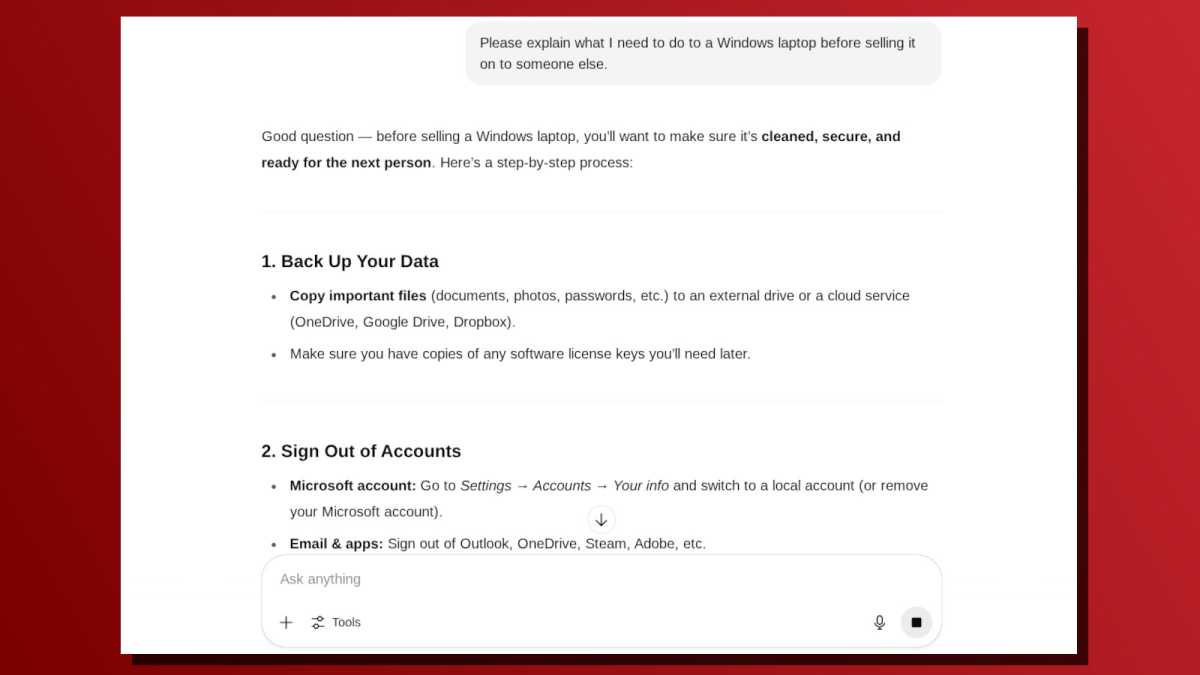
With Google, you know how it goes: you type your keywords, then click on a bunch of semi-puttine links hoping that one of them has the information or advice you need. Google simply direct You on web pages that match your request. Chatgpt, on the other hand, digests all information on the web and responses You directly.
This corresponds much better to the way humans have shared information for millennia, going from knowledge from one generation to another. It also cuts the intermediary, you are shown and that you have been shown what you need to know without having to bounce on the web via clicks.
Personally, I prefer to have a conversation with a chatbot to be with behind the scenes on the web at half of the answers, especially if, at the end of the said conversation, I can leave with what I was looking for when I went online in the first place. What if you don’t like being responses fed the spoon? Chatgpt has a new mode you will love!
Chatgpt does not “class”
Dave Parrack / Foundry
When you are looking for Google, you get a list of web pages – and these web pages are classified and sorted according to their relevance for your request. This is how Google organizes what he knows and how he presents all this to you. Google has To work in this way, otherwise you will have to sort millions of web results yourself.
But the problem with Google is that its algorithms are far from perfect. Certain websites are unduly weighted more strongly than others, small publishers are pushed into the ranking because they do not have enough “authority” or “backlinks” and the “hidden jewels” less known are rarely surfaced. And more recently, Google is surpassed by websites generated by AI which offer little or no value. In short, you have probably noticed that Google’s search results have worsened.
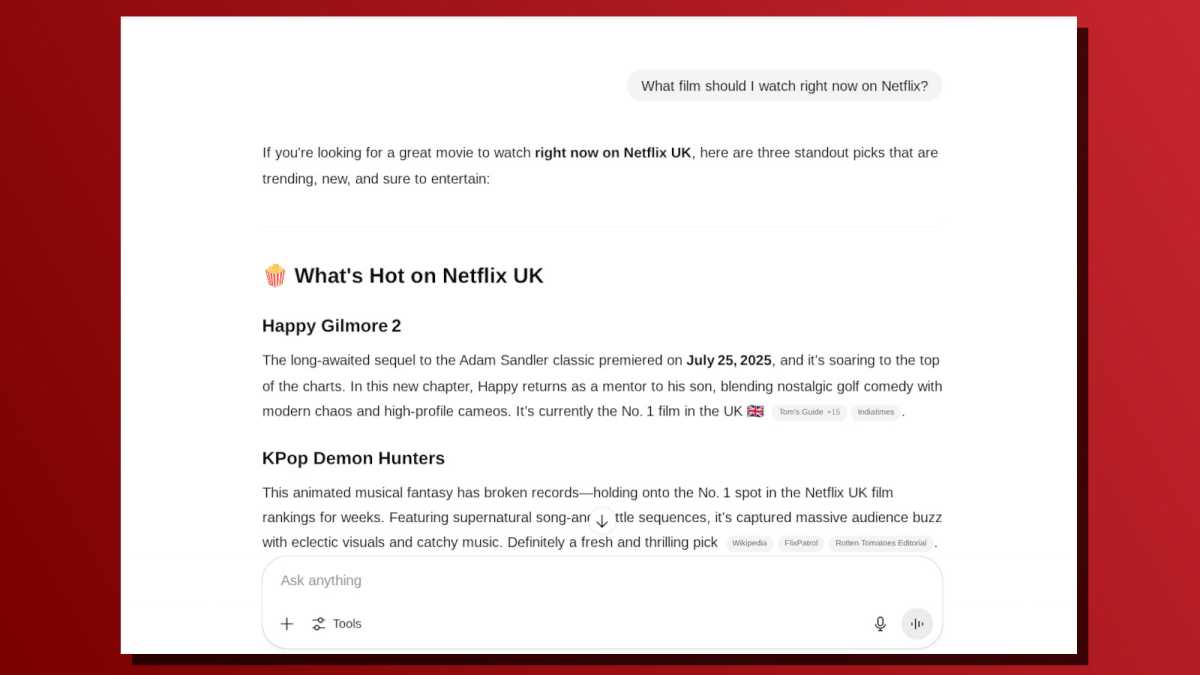
To be fair, Chatgpt uses many algorithms that are specific to it – but it synthesizes all in a single answer for you. Unlike Google, Chatgpt does not lay down individual web pages; Rather, this is web information to create language models. It is a different approach that produces (no doubt) better results that are fairer, more opportune and more personalized for you as a request giver.
Chatgpt can be refined to your needs
Dave Parrack / Foundry
When you google something, you are limited to typing keywords and exploring the links that are spitting. If you do not get the answer you want, your only real option is to try again with modified keywords, which may or may not bring you closer to what you need.
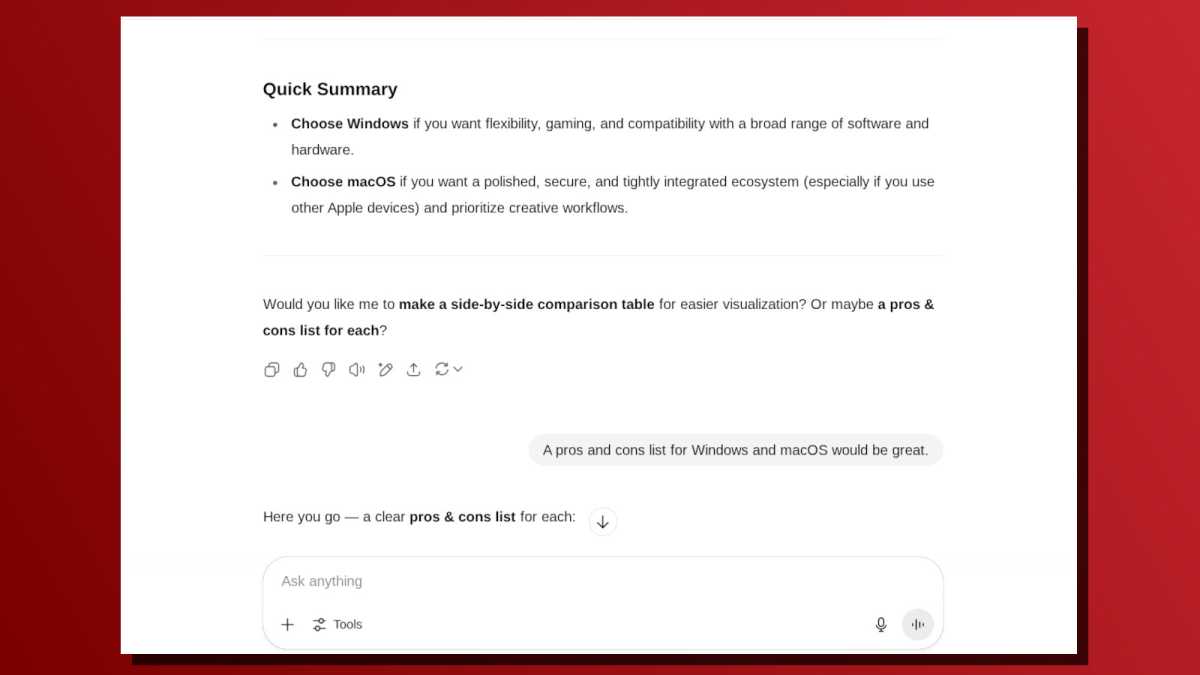
With Chatgpt, you can change the answers in various ways. Don’t you like chatgpt tone? Ask him to be more polite or cut the sycophetic flattery, or simplify things in a way that even a child would get it. Not satisfied with generic advice? Provide as much additional context as you can bring together so that Chatgpt gives you specific and very targeted answers. Do you hate text walls? Tell Chatgpt to use fleas, tables or anything else.
Google Search just can’t compete with the versatility of Chatgpt and the ability to deliver Exactly What you want and how you want. It also opens the way to use Chatgpt in a surprisingly creative and intelligent way.
Chatgpt includes the niche context
Dave Parrack / Foundry
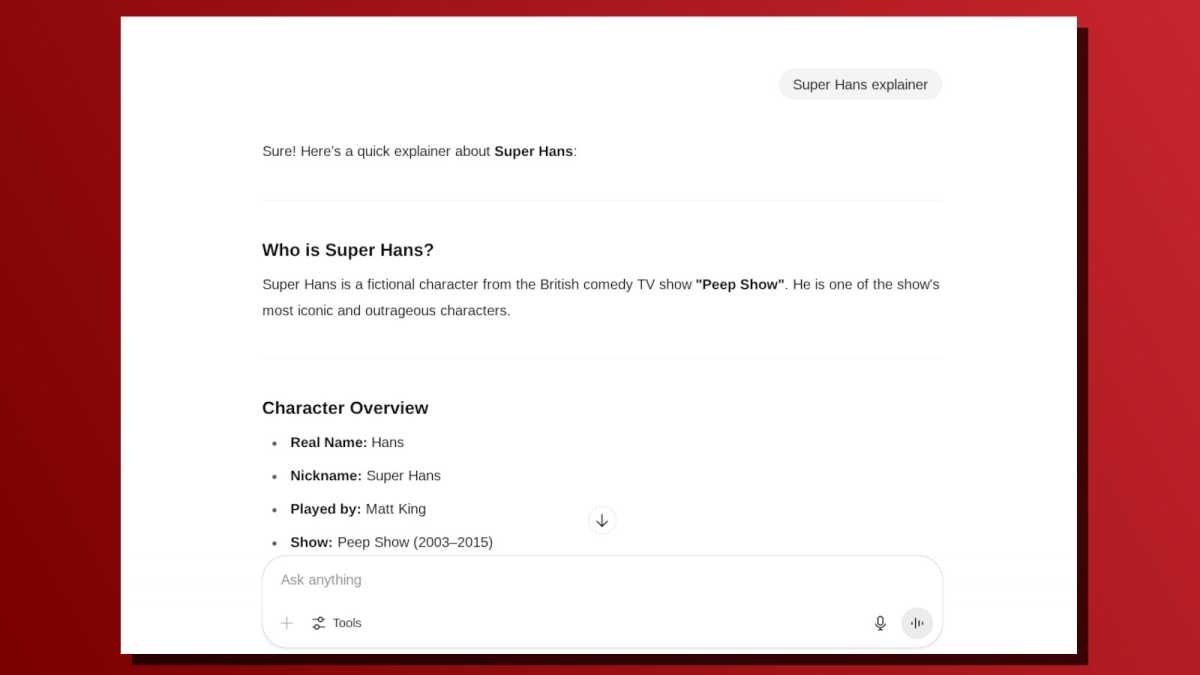
Have you ever looked for something specific on Google, only so that Google ignores or misinterpreted your question? I’m sure we were all there. And of course, Chatgpt also fails, but overall, it is path Better understand the context than Google.
Here is an example: you are looking for wellness movies to watch with your family, but part of your family does not speak English, and you want to keep the execution time at around 90 minutes maximum. You also want to limit the results to films on Netflix, Hulu and Disney + because these are the only streaming services you have.
If you are trying to search for this on Google, you will eventually spend hours covering the generic lists of “well-being films” and filtering those that match your criteria. But if you ask Chatgpt wellness films with all this additional context, you will get a much tighter list.
Chatgpt can manage follow -up issues
Dave Parrack / Foundry
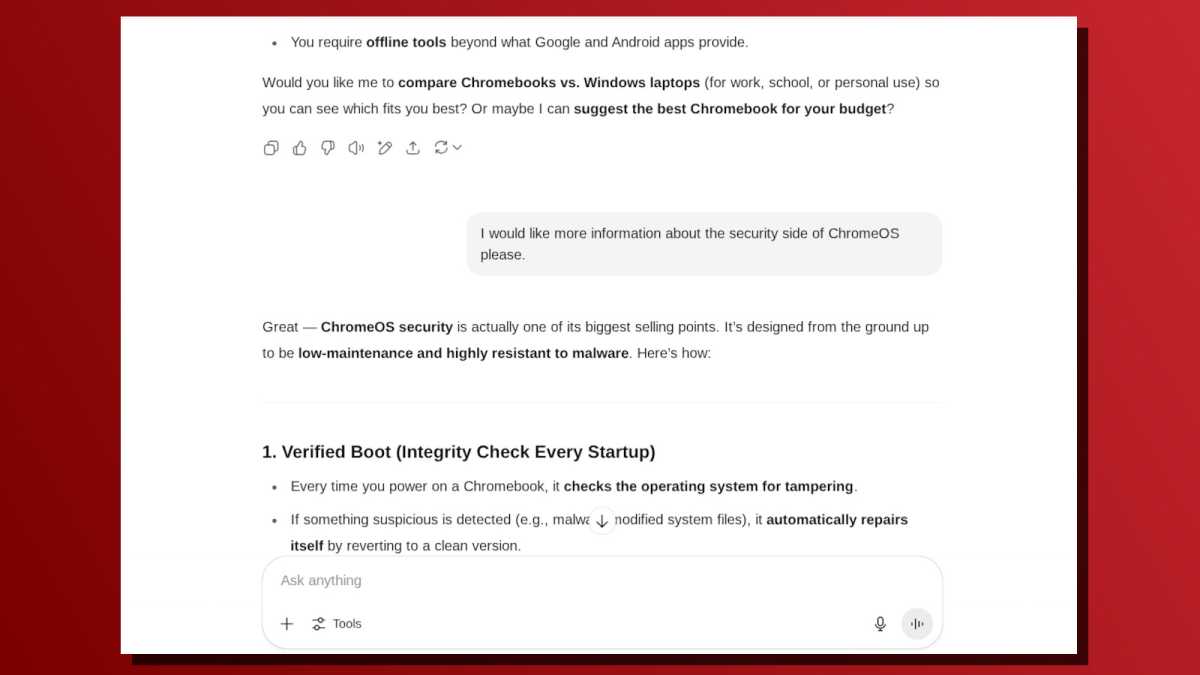
Once Google has sent you its list of links for your request, its usefulness has essentially ended. It is difficult to follow, unravel and filter the results more to what you originally wanted. With Google, you can perform a repeated search with more strict keywords, but that’s it. The context does not continue from research to research.
Compare this to chatgpt, which works more as a conversation with comings and goings, allowing you to ask other questions or modify your answers without losing context along the way. Even if you start with a chatgpt prompt in a simple line, you can always continue the conversation, either with your own follow -ups, or use one of the own chatgpt suggestions. Then, later, you can reference something earlier in the conversation and Chatgpt will get it.
Chatgpt cuts the worst of the web
Dave Parrack / Foundry
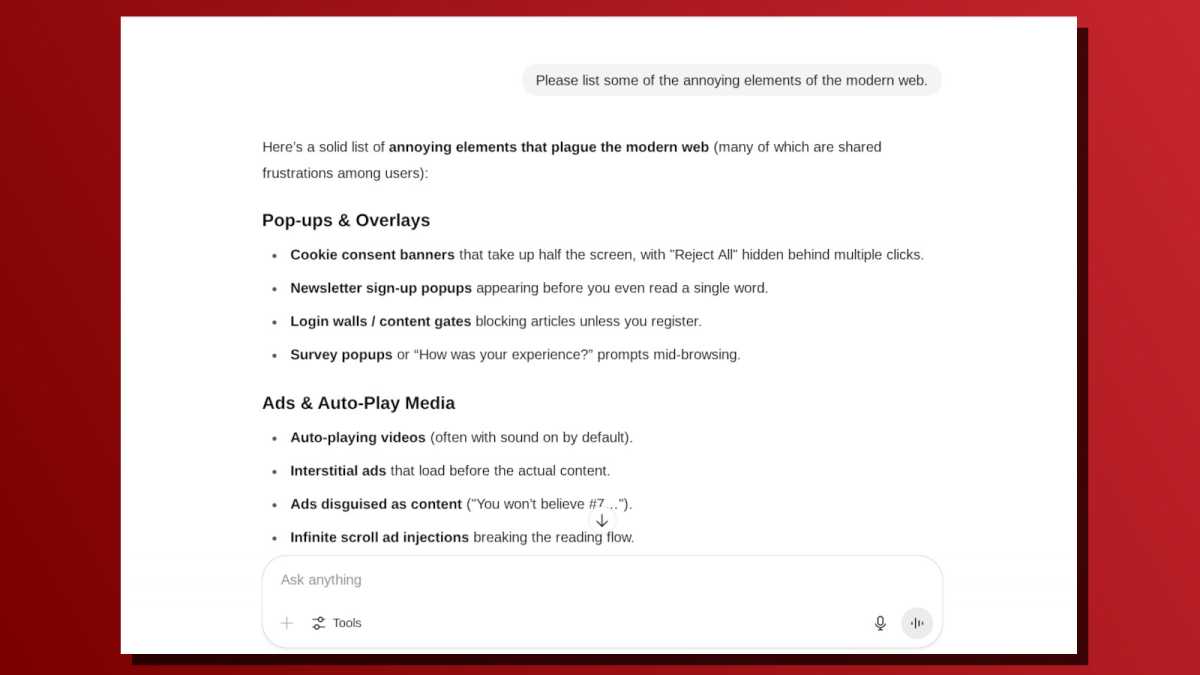
I am old enough to remember the first days of the web, so I often deplore the current state of things: click baits, intrusive advertisements, payment walls, automatic reading videos, etc. All of this made web browsing more than one chore than the pleasure it was.
When writing these lines, Chatgpt suffers from any of this. You don’t have to scrutinize clicks, block ads, close videos – and that is why the chatgpt user basis continues to grow and grow.
Chatgpt compiles everything and presents it to you in the format you want, which makes the experience much more pleasant. You can meet cat limits and upgrade Nags with the free version, but that’s about it.
Chatgpt is a dynamic database pirate
Dave Parrack / Foundry
Google Search simply indicates pre-made web pages that are written in a specific way. A list of films can be useful, but it’s static – you cannot reorganize this article according to different criteria. It is presented in a direction and you must take it or leave it.
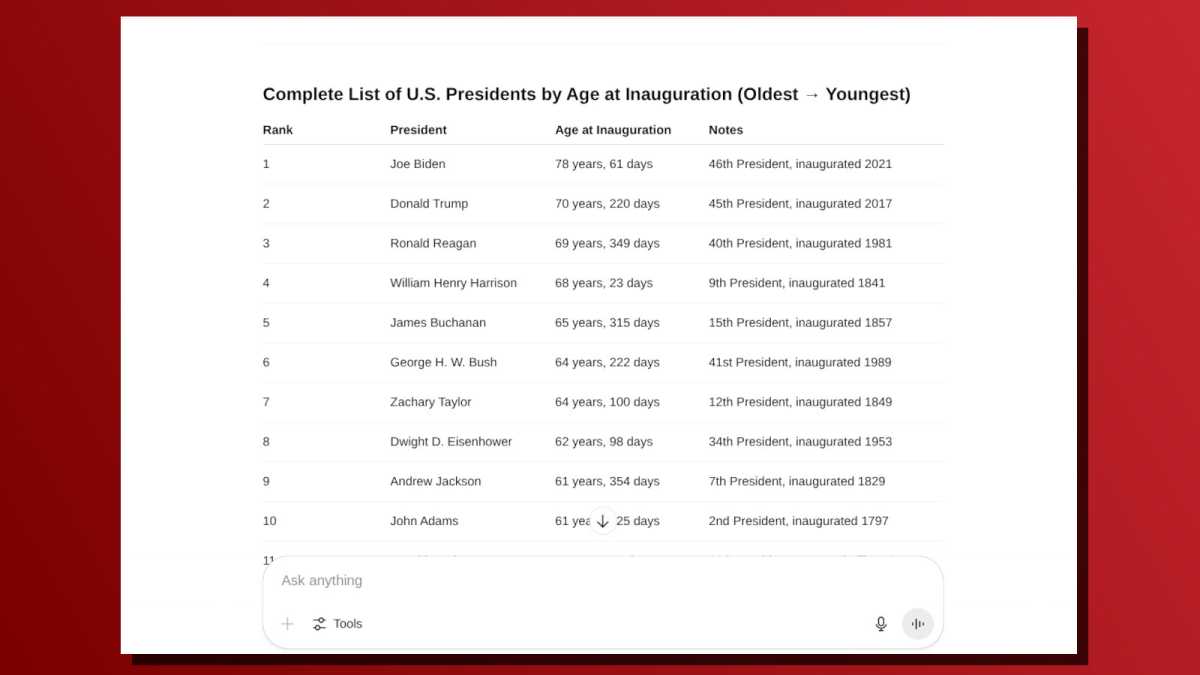
On the other hand, Chatgpt does not simply tell you towards links. He absorbs all the information he meets and awaits You To ask what You want to know in the format You desire. While Google research is a linking frame, the Chatppt is more like a database with which you can play.
For example, search for Google for a list of American presidents and you could have them ordered by date of birth, by years in the long term or by age at the inauguration. But what happens if you want a list of American presidents commanded by the age of their wife at the time of their death? Or what about a list of everyone current Have NFL coaches ordered by the first year? These types of highly specific dynamic requests are an example where the Chatppt shines on Google research.
Chatgpt will actually do things for you
Dave Parrack / Foundry
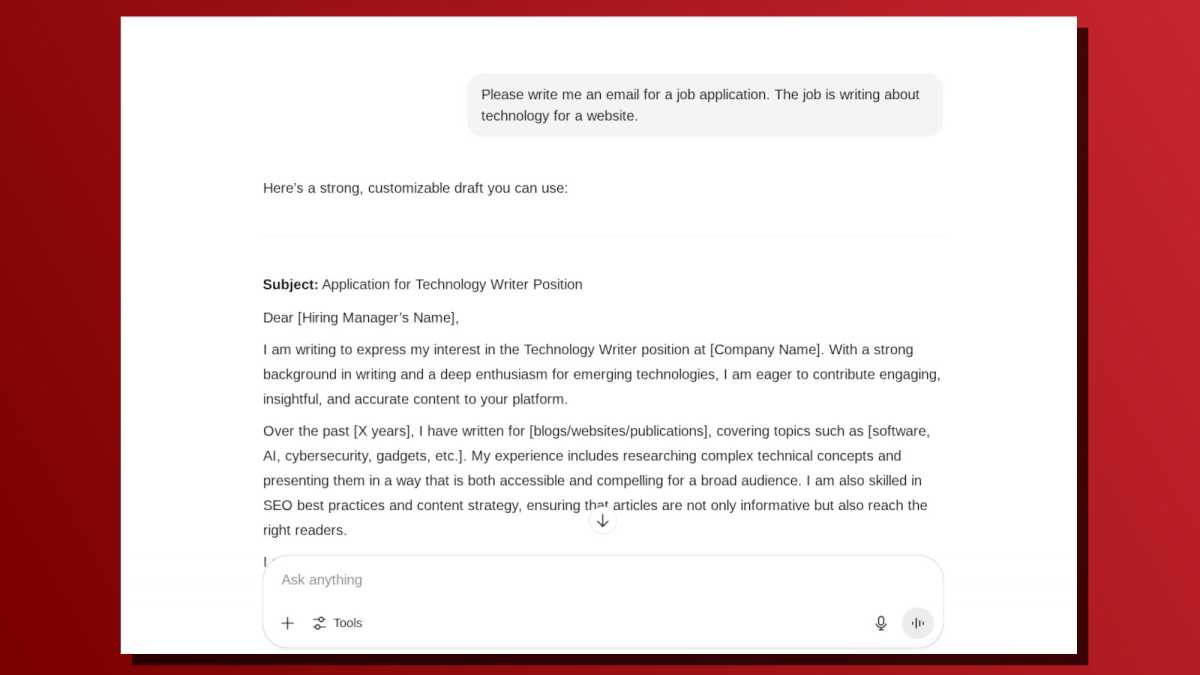
What could be better than saying how to do something? Someone else does it for you, of course! Especially when this something is a subordinate task like writing emails or generating routes.
With Google Search, you are stuck to browse websites that say You things – refuse, procedures step by step, funny facts – but with Chatgpt, you get an interactive assistant that can generate written and visual content for you.
For example, you may need a Curriculum Vitae refreshed. Google search could lead you to various models that can help you start, but Chatgpt can create a personalized curriculum vitae for you. All you have to do is feed the right information and perhaps modify the results a little.
Read more in -depth: Never say these things to Chatgpt, otherwise


