
https://www.profitableratecpm.com/f4ffsdxe?key=39b1ebce72f3758345b2155c98e6709c

-
Now Playing
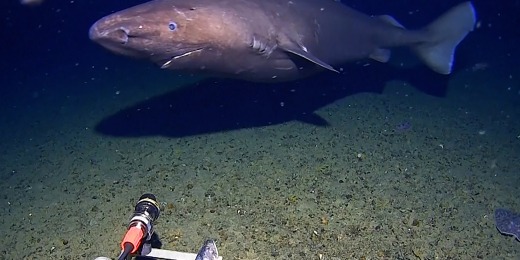
Shark caught on camera for first time in Antarctica’s near-freezing deep
00:42
-
UP NEXT

Commercial dog food contains ‘alarming’ levels of contaminants, study says
03:20
-

Punxsutawney Phil predicts six more weeks of winter on Groundhog Day
02:43
-

Year of the sad horse: Factory mistake creates viral toy in China
01:02
-

Growing number of Americans prefer pets over kids
02:40
-

China sees surge in pet ownership as the country’s population shrinks
03:52
-

Cow rescued from freezing water by Texas ranchers
01:01
-
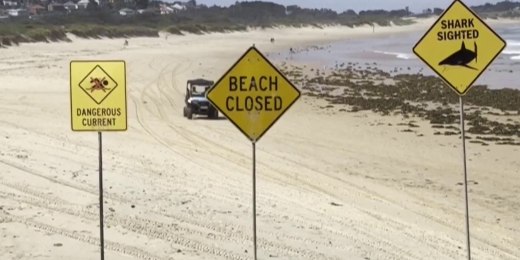
Dozens of Australian beaches close after four shark attacks in less than 48 hours
03:00
-

Farms collecting old Christmas trees to feed goats
01:46
-

Baby seal walks into a bar in New Zealand
01:01
-
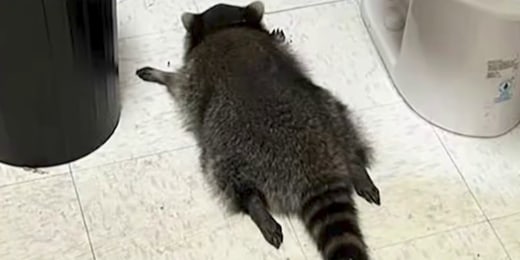
Thirsty raccoon overindulges at Virginia liquor store
02:59
-
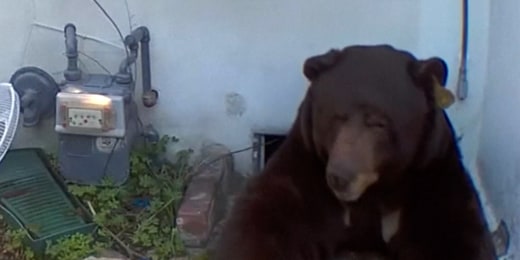
Bear living under California home shows no signs of leaving
00:24
-

Man dead after lion mauling at Brazil zoo
01:25
-
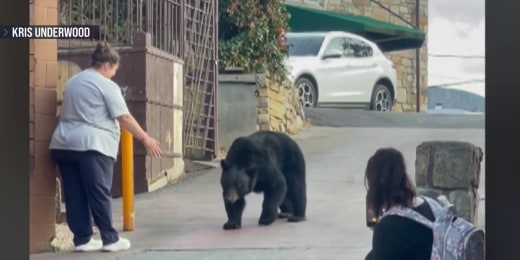
Viral encounter with wild bear sparks outrage online
01:25
-
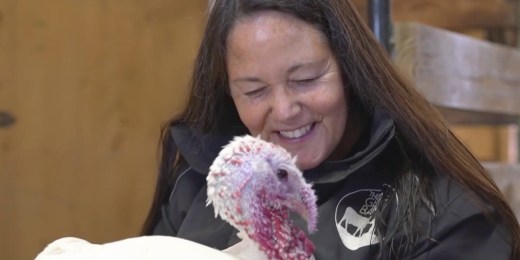
Turkeys at Gentle Barn in Tennessee offer comfort through cuddles
02:25
-
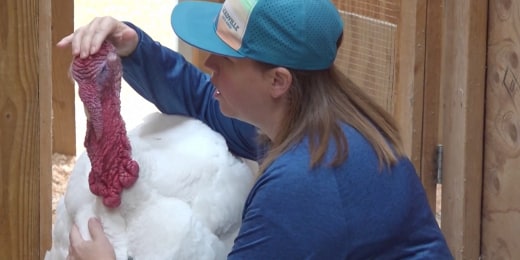
Colorado animal sanctuary lets you ‘adopt’ a turkey as Thanksgiving alternative
00:36
-

11 injured after grizzly bear attacks group of elementary school students
01:27
-
Chimp escape prompts zoo lockdown
01:26
-

Pet monkey escapes its owner in Texas Halloween store
01:42
-
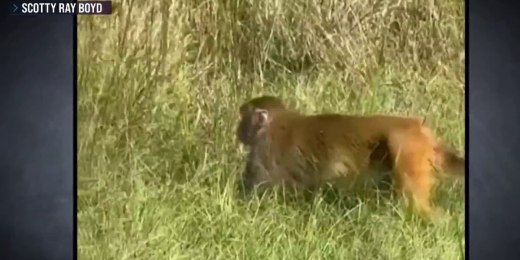
Officials searching for escaped research monkeys
01:17


-
Now Playing
Shark caught on camera for first time in Antarctica’s near-freezing deep
00:42
-
UP NEXT
Commercial dog food contains ‘alarming’ levels of contaminants, study says
03:20
-
Punxsutawney Phil predicts six more weeks of winter on Groundhog Day
02:43
-
Year of the sad horse: Factory mistake creates viral toy in China
01:02
-
Growing number of Americans prefer pets over kids
02:40
-
China sees surge in pet ownership as the country’s population shrinks
03:52


