Yellowstone employees recover over 300 hats from hydrothermal areas


It’s a bird! No, it’s a plane! No, it’s your hat, torn off your head by a burst of wind, steal from the unknown. It happened to the best of us. The only thing to do is buy another before your face is burned by the sun. Soon, the fate of your old hat, with everyone, is far from mind – with the exception of a special team from Yellowstone National Park.
So far this year, the geologists of the National Park Service of Yellowstone have recovered more than 300 hats in hydrothermal areas. In total, they estimate that the accessories were worth up to $ 6,000. This summer, they also collected a pizza box with slices of pizza still inside, a false bucket of Louis Vuitton and a ball cap with “I Pee in the Lake” above.

“During recreation or work in Yellowstone National Park, it is not uncommon to fall into a team of geologists from the National Park Service geologies in distinctive red safety vests. Caldera Chronicle Story.
The hat collection is only part of the responsibilities for cleaning the team’s hydrothermal area. According to Price, more than four million people visit Yellowstone each year. Fortunately, geologists believe that most of the waste it brings together (more than 13,000 parts this year) are generally propagated because of the strong winds of the region and the number of tourists.
[ Related: Don’t lick the toads and other things to avoid at national parks. ]
When the object is in a particularly delicate area – let’s say, a boiling water pool – the team must be creative, because their Grabber posts of various size (some measure 30 feet long!) Do not always correspond to the invoice.
They must also eliminate sticks and rocks that visitors sometimes throw in thermal springs. Although these natural objects may seem, throw them incan, permanently modify the nature of a hot source. It can lower it can lower the temperature, change its color and even modify its eruptive activity.
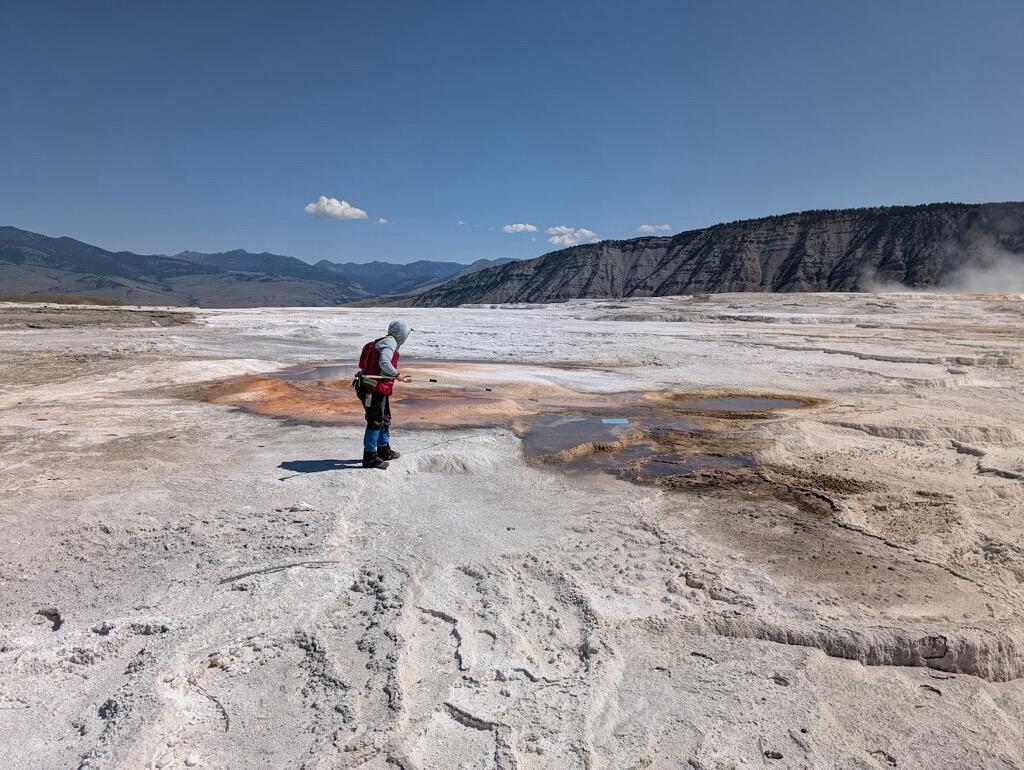
However, the team is more than a simple tourist cleaning team. They also collect scientific data from natural training in the park and help to install and maintain scientific instruments, among other tasks. So far this year, the team has crossed more than 1,300 miles of trails and walks and has traveled more than 11,000 miles to do the work.
Morality of history: If you visit Yellowstone, keep your hats off brand and your pizza boxes!

More offers, reviews and purchasing guides


