Alleged fraud alerts in Europe fall in July


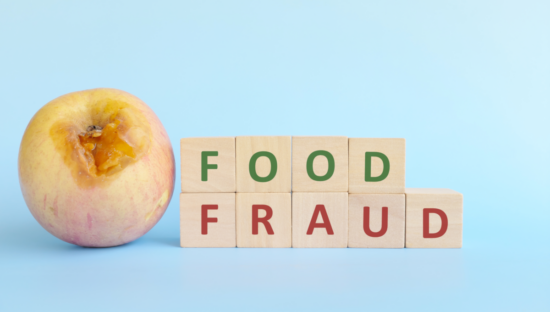
The latest report on food fraud in Europe has been published and includes alleged cases of adulteration and traceability problems. Such fraud can cause food security problems.
There were 136 reports in July, against 164 in June 2025, but against 129 in May.
The problems listed are potential fraud. Non-conformity can lead to surveys by authorities in EU member states. Details come from a monthly report published by the European Commission.
The data include subjects of presumed cross -border fraud shared between the members of the Alert and Cooperation Network (ACN).
In total, 39 reports mentioned dietary food, food supplements and fortified foods. The second was the confectionery with 14 opinions while non -alcoholic drinks were third with eight.
The majority of the problems were discovered through market controls. Seven times, the detection method was the internal inspection of a company and a dozen times, it was a complaint to consumers. A problem was detected as a result of denunciation information.
July strengths
Four alerts involved the United States in July. They included benzoic acid in carbonated drinks, THC in cookies and ingredients in unauthorized supplements in Europe.
Examples of additives not in accordance with the maximum limits of the EU have been sulfites in the shrimp of India and sodium nitrate in a Bulgarian meat product.
Falsification cases involved other oils in extra virgin olive oil and virgin olive oil from Greece and Lebanon. There was a suspicion of counterfeit documents for China honey.
Rhodamine B has been reported in curry powder from India. Sudanese dyes have been found in a mixture of spices from Uzbekistan and Sumac from Egypt.
Record falsification incidents included a missing producer code on Ukraine eggs. There was an original inadequacy between the bill and the labeling on the mackerel of the United Kingdom. In another case, the animal species has not been mentioned in mechanically separated meat.
A notification mentioned horse meat. An identification number previously attributed to a dead animal was duplicated.
There was an alleged not approved use of the approval number of another company for salmon nets in Bulgaria. In Germany, there was an unauthorized operator producing yogurt drinks. The infant preparation was sold on a used online market in Lithuania.
Several non-conformity listed unauthorized ingredients in the EU, the elements that jump for border controls, as well as veterinary drug residues and pesticides above the maximum residue limits (MRL).
(To register for a free subscription to Food Safety News,Click here))


