CDC panel votes to limit Covid vaccine eligibility for most healthy adults


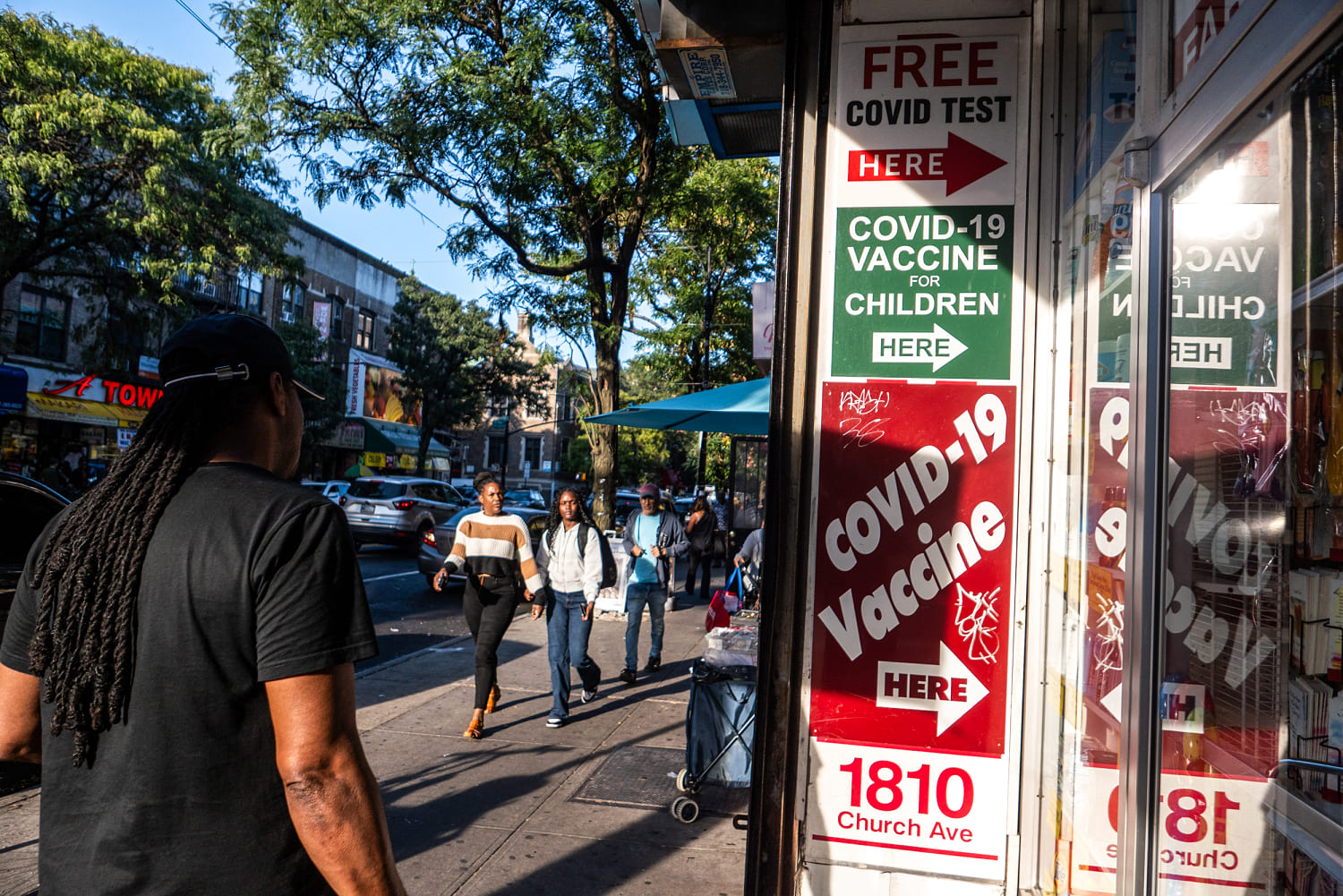
Healthy children and adults looking for an update update this fall may have more trouble getting it.
On Friday, an advisory panel of disease control and prevention centers unanimously recommended limiting the shot coded to people aged 65 and over or those who suffer from underlying health problems, based on an individual decision or with their doctor. The panel rejected a separate recommendation that the agency should encourage states to require an order.
People under the age of 65 are advised to consult their doctor, said the panel, with “an accent that the risk of vaccination is the most favorable to people who run an increased risk of severe COVVI-19 disease”.
The recommendation – if it is erased by the acting director of the CDC, Jim O’Neill – narrows the anterior position of the agency, which asked that the photo be offered at every 6 months and more.
The panel has chosen not to vote on the advisability of recommending the shot for pregnant women, postponing the decision to CDC officials, said RETSEF Levi, member of the Advisory Committee, at the meeting.
Friday’s recommendation aligns with the approval of the Food and Drug Administration in August, which eliminated the gunshots for people 65 and more and those who suffer from underlying health problems. In recent weeks, the inhabitants of certain states have reported frustration to have access to the shots, while the pharmacies have been waiting for the official advice of the CDC advisory committee.
The decision of the Agency’s Advisory Committee on Vaccination Practices (ACIP) comes after the panel moved Thursday to restrict access to a vaccine against measles-rumps-rublla known as MMRV. The panel has also postponed a vote on the question of whether all newborns should obtain hepatitis B.
The 12 members of the AIPI who voted on Thursday and Friday were handpicked under the Secretary of Health, Robert F. Kennedy Jr., after rejecting the previous panel in June. Some of the new members are known to anti-vaccine activists.
The discussion on Friday included a number of marginal ideas promoted by anti -vaccine groups, including the affirmations that injuries caused by ceremony vaccines are not well documented or that shots can lead to cancer or congenital malformations – affirmations not supported by scientific evidence.
During the meeting, external medical groups and organizations urged the agency to maintain its unchanged recommendation.
“It is important to note that we continue to see serious covid-19 diseases, which has led to hospitalizations and deaths,” said Dr. Robert Hopkins Jr., medical director of the National Foundation for Infectious Diseases. “The impact is the highest in our population aged 75 and over, but is also significant in our young adults and also our younger children.”
Since October 2024, the CDC estimates that the virus has led to hundreds of thousands of hospitalizations and 42,000 to 60,000 deaths nationwide, largely among the elderly.
“Any decrease in vaccination coverage in the elderly will lead to more hospitalizations and deaths in this age group,” said Dr. Fiona Havers, infectious doctor and former medical epidemiologist at the CDC.
Will I be able to get a kick of cocovi?
The recommendation, according to experts, is likely to create roadblocks for people who wish to obtain a closed shot this fall but who are excluded from the eligible groups of the ACIP.
In many states, pharmacists can only give a cocovated shots if they follow the directives of the APIP, and get out of these recommendations can interrupt them in difficulty, said Dorit Reiss, expert in vaccination policy at the University of California, San Francisco. Some states – including California and Oregon – have sought to get around this and guarantee access by establishing their own advice on vaccines for respiratory diseases like COVID.
The CDC presented data on Friday which discovered that around two thirds of adults who received a cocodid shot last year obtained it in a pharmacy.
Large pharmacy channels, including CVS and Walgreens, said they do not hold the gunshots – or required a prescription – while they were waiting for the official CDC advice.
Pharmacists, according to Reiss, generally have fewer legal protections compared to doctors and hospitals, so most of them hesitate to get out of CDC recommendations.
Friday, the panel did not specify which medical conditions exposed a person to a higher risk of serious illness. However, the CDC website lists dozens of conditions related or suggesting a higher risk, including asthma, cancer, heart disease, diabetes, obesity, pregnancy, depression, Down syndrome and autism.
People who do not fall into eligible groups can still be able to obtain a covid shot from a doctor’s office or in a hospital.
Doctors can always offer the vaccine outside the label, referring to the practice of prescribing a drug for a different purpose from which FDA approved it.
The commercial group of the AHIP Health Insurance Industry has also promised that insurers will continue to cover the ACIPA had recommended before this week’s meeting.
What it means for people outside the AHIP plans – like the MEDICAID registrants – is not yet clear, although a HHS spokesman said they should have a coverage.
Medicare, said Reiss, has its own directives outside the AIPI and can decide to continue to cover the shots for people over 65 and over.
The two -day CDC meeting marks what experts say is the start of Kennedy’s desire to overthrow the long -standing infant vaccine calendar.
Arnm vaccines, which have been developed and distributed as part of President Donald Trump’s “Operation Warp Speed Operation” program is a particular target among anti-vaccine activists. Pfizer and Moderna vaccines are the first approved using mRNA technology, which led some to say that they represent a single threat.
Florida surgeon, General Joseph Ladapo, has been the subject of mRNA vaccines, alleging that they could possibly modify a person’s DNA. Several states have introduced legislation that would prohibit mRNA vaccines. The CDC indicates that mRNA vaccines are safe and do not change DNA; Technology had been studied for decades before its first approval in the United States at the end of 2020.


