Relics of St. Thérèse Begin U.S. Tour at Historic Michigan Catholic Parish Named for the Beloved French Saint


The sacred bones of a very appreciated French carmelite nun and the Catholic Holyness, Thérèse de Lisieux, began a tour in the United States in a historic parish of Michigan in the suburbs of Detroit appointed in her honor.
A reliquary containing some of the remains of Saint-Thérèse began its American tour to the national sanctuary of the Fleurie Basilica in Royal Oak, Michigan. The tour is intended to coincide with the centenary of the canonization of the saint in 1926.
Nicole Scheier was one of those who arrived for hours before the first opportunity to have an overview of the relics of Saint-Thérèse de Lisieux.
“Saint-Thérèse is a saint for everyone. She is relatable. She teaches that holiness is achievable, doing little things with great love,” said Scheier after stopping in front of a statue of saint
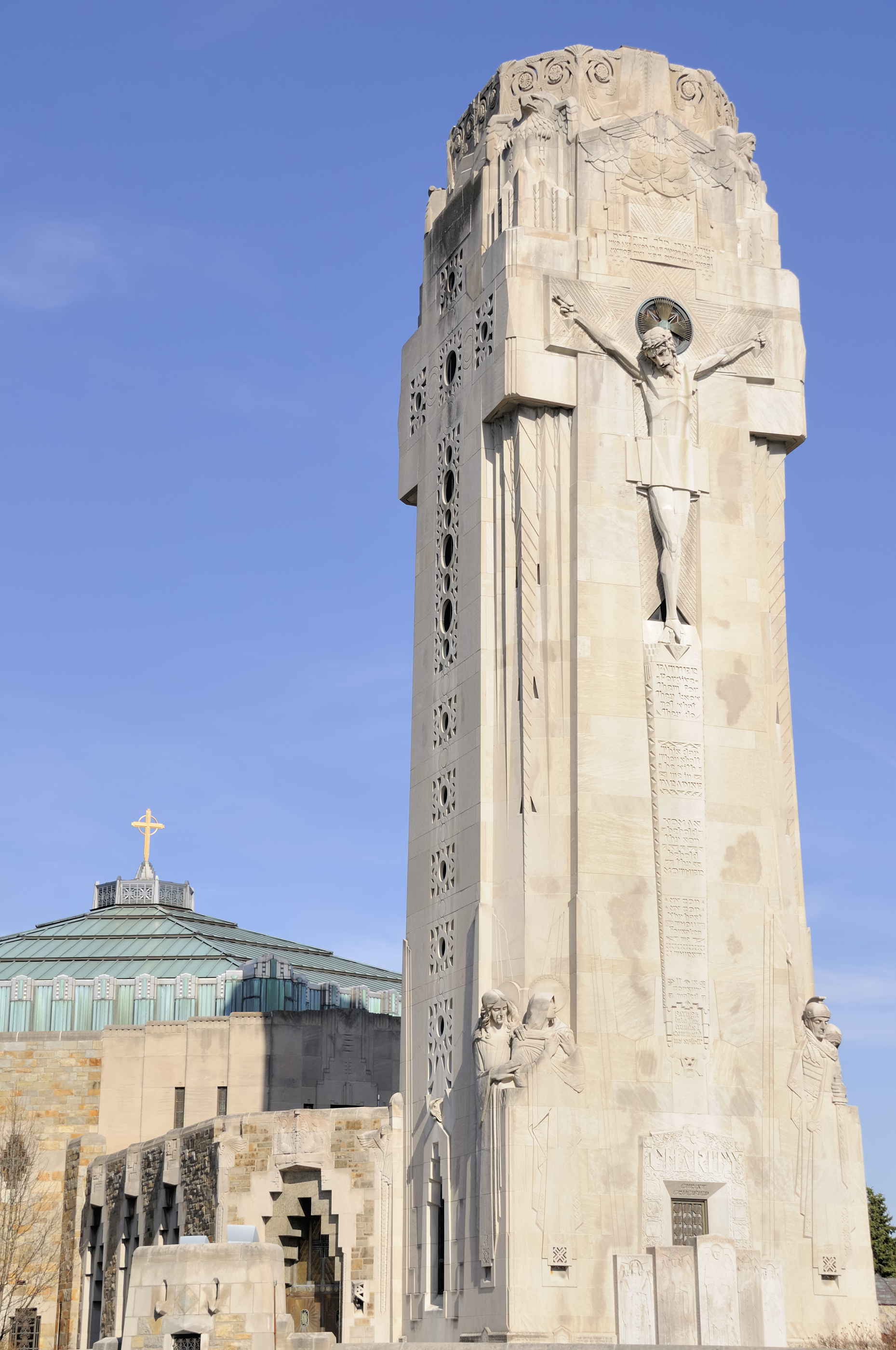
The national sanctuary of the Petite Basilique Floral in Royal Oak, Michigan, a suburbs of Detroit. (Getty Images)
The remains of St. Thérèse will be exhibited at the parish of Michigan until October 8, before going to California. The other stops of the tour, which come up against December, are Arkansas, Florida, Louisiana, Maryland, Missouri, Texas, Wisconsin and Washington, DC.
Haifa Gabbara also arrived at the Basilica in advance. “St. Thérèse means a lot for me and my family,” said the resident of the canton of West Bloomfield. “So I was determined to be here, although early.”
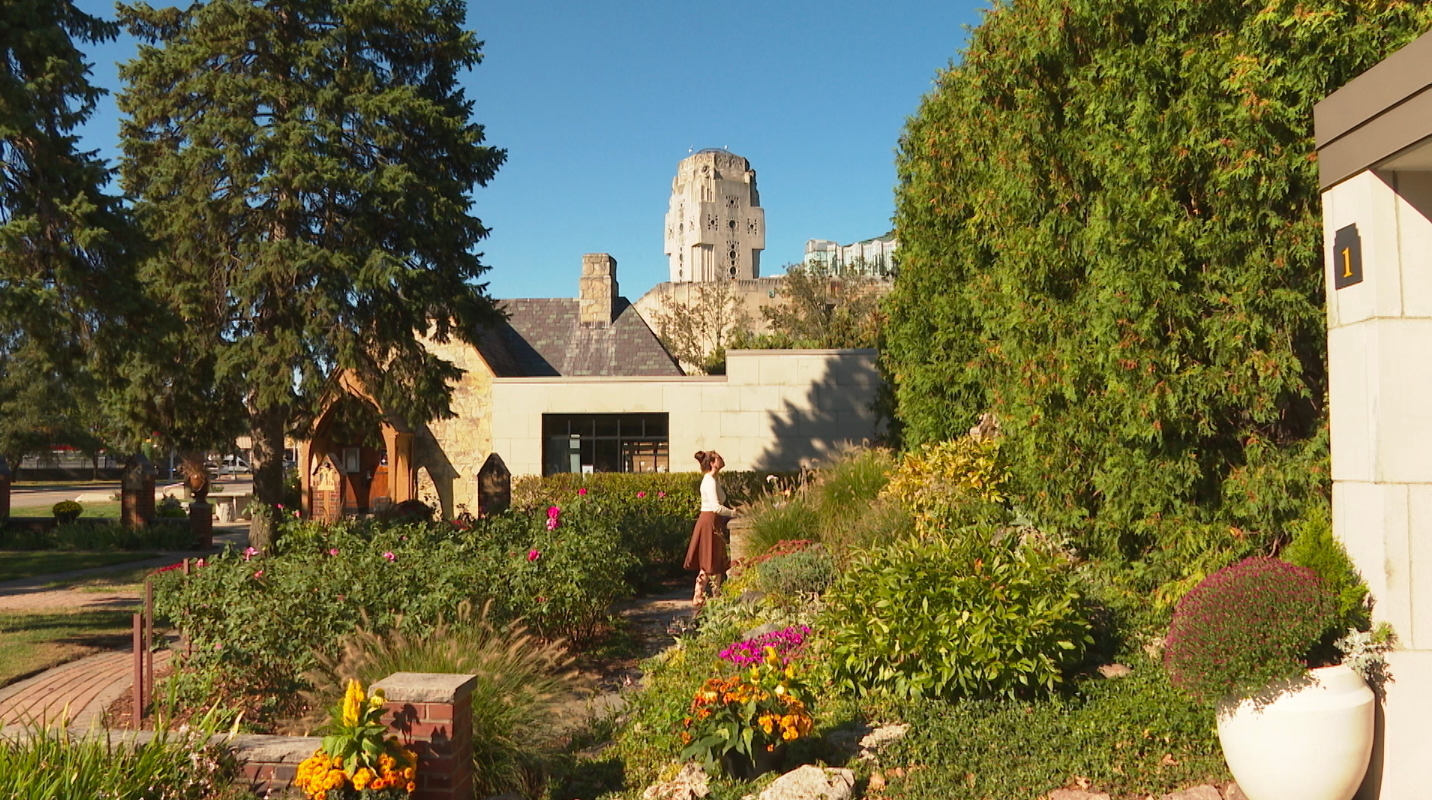
Nicole Scheier pays tribute to a statue of Saint-Thérèse outside the national sanctuary of the Fleurie Basilica on October 1, 2025, in Royal Oak, Michigan. (Photo / mike householder)
The National Sanctuary of the Little Flower Basilica – whose emblematic Steeple of Stone is a benchmark on the famous Woodward avenue of Metro Detroit – was founded as a parish in 1926. It was one of the first parishes of the world dedicated to the deceased French saint of tuberculosis in 1897 at 24 and was canonized by Pius XI in 1925.
Called “The little flower of Jesus”, Saint-Thérèse was born Thérèse Martin in 1873 and joined the Carmélite convent in Lisieux, in France. Although she died young and never left her convent, she became renamed in the world after her death because of her successful autobiography, History of a soul. In her book, she explained how the way to God can be found through “the little way” of love and devotion to Jesus and others. This, she wrote, is the way those who, as herself, are “small” or unimportant in the eyes of the world can reach holiness.
“I will look for a way to go to paradise a little – very short and very straight which is completely new. We live in a time of inventions; Today, the rich do not need to climb the stairs, they have risen to the place. Well, I want to try to find an elevator by which I could be raised for God, because I am too tiny to climb to the stiff stopover of infction, ”wrote the saint History of a soul. “Your arms, then, O Jesus, are the elevator which must rise even in heaven. To get there, I do not need to grow. On the contrary, I must stay little, I must become even less.”
“Our Lord does not look so much at the greatness of our actions, nor even their difficulty, but the love with which we make them,” she explained.
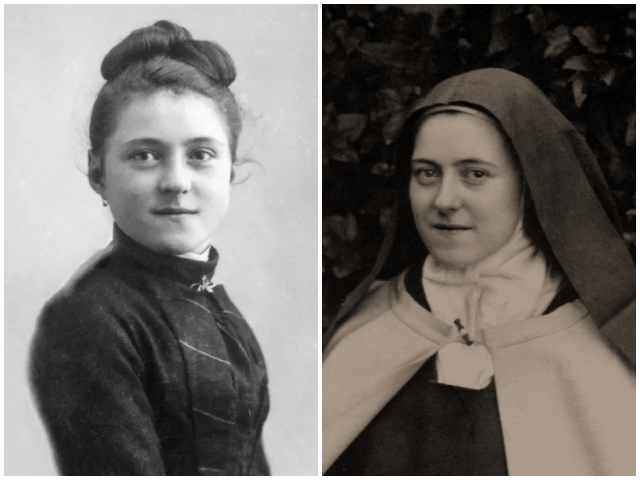
Saint-Thérèse de Lisieux seen in 1888 (left) before entering the convent and in 1894 (right) after having become a carmelite nun. (Getty Images)
His theology of “the small way” earned him the distinction of being a doctor of the Church, an honor recognizing a significant contribution to Catholic theology. His “little way” has also inspired millions of Christians – including a number of saints – to find holiness. One of these saints was a mother Teresa de Calcutta, who took the name of Saint-Thérèse when she entered religious life and declared that the “little way” of the French has inspired her to serve the poor in India.
The relics of Saint-Thérèse did a tour for the last time in the United States in 1999. Tens of thousands of people visited Royal Oak that year during a day stay. Now, a quarter of a century later, they are back in Michigan for the day of the Petite Fleur feast on October 1, while the church commemorates the hundred anniversary of its canonization.
“It is like a Christmas morning that a wonderful gift from God comes here to be with us,” said Reverend John Bettin, the rector of the national sanctuary of the Fleurie Little Basilica.
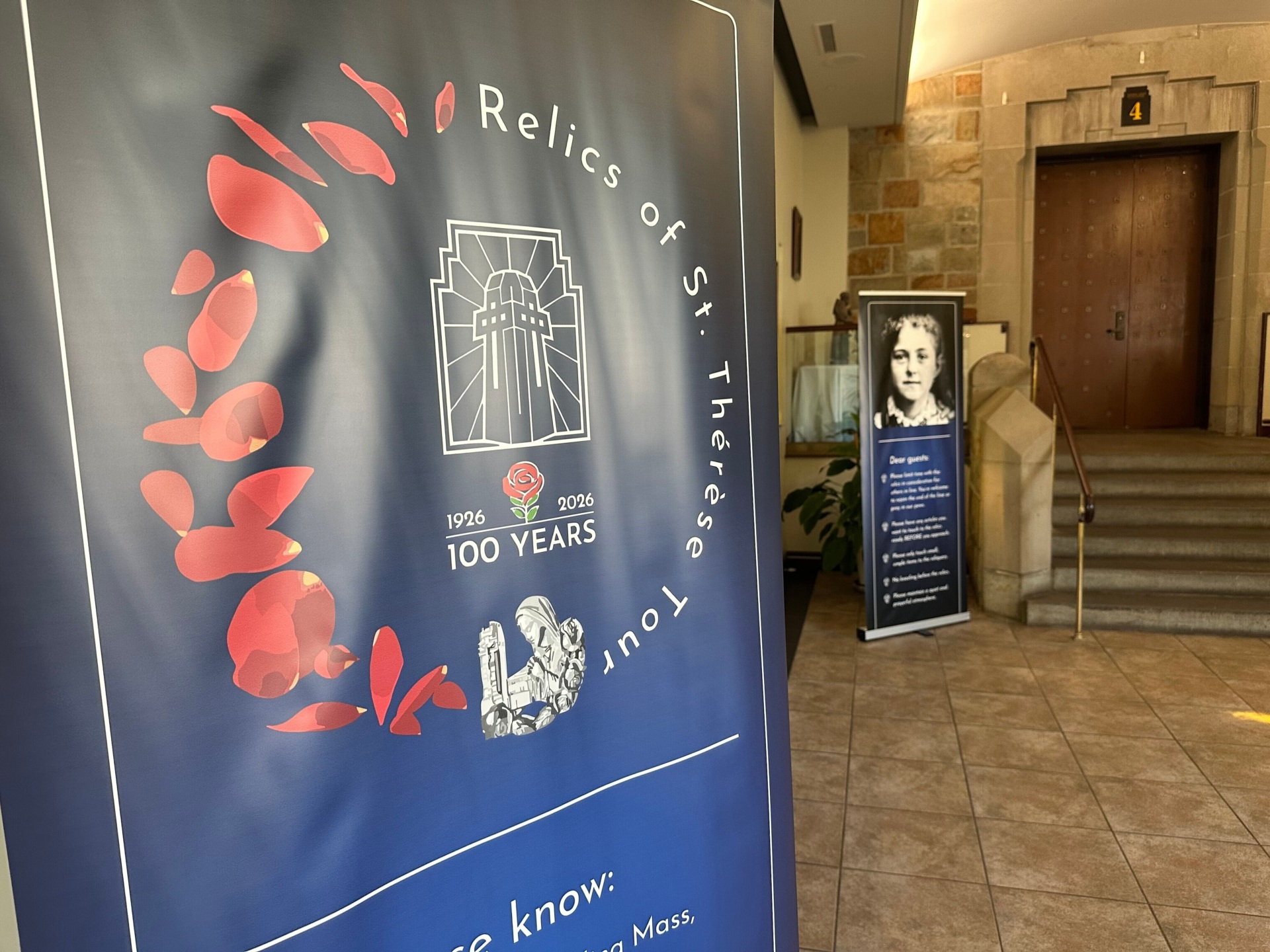
A sign hosts visitors to the T. Monère relics tour inside the National Sanctuary of La Petite Basilique Fleurie on September 30, 2025, in Royal Oak, Michigan. (Photo / mike householder)
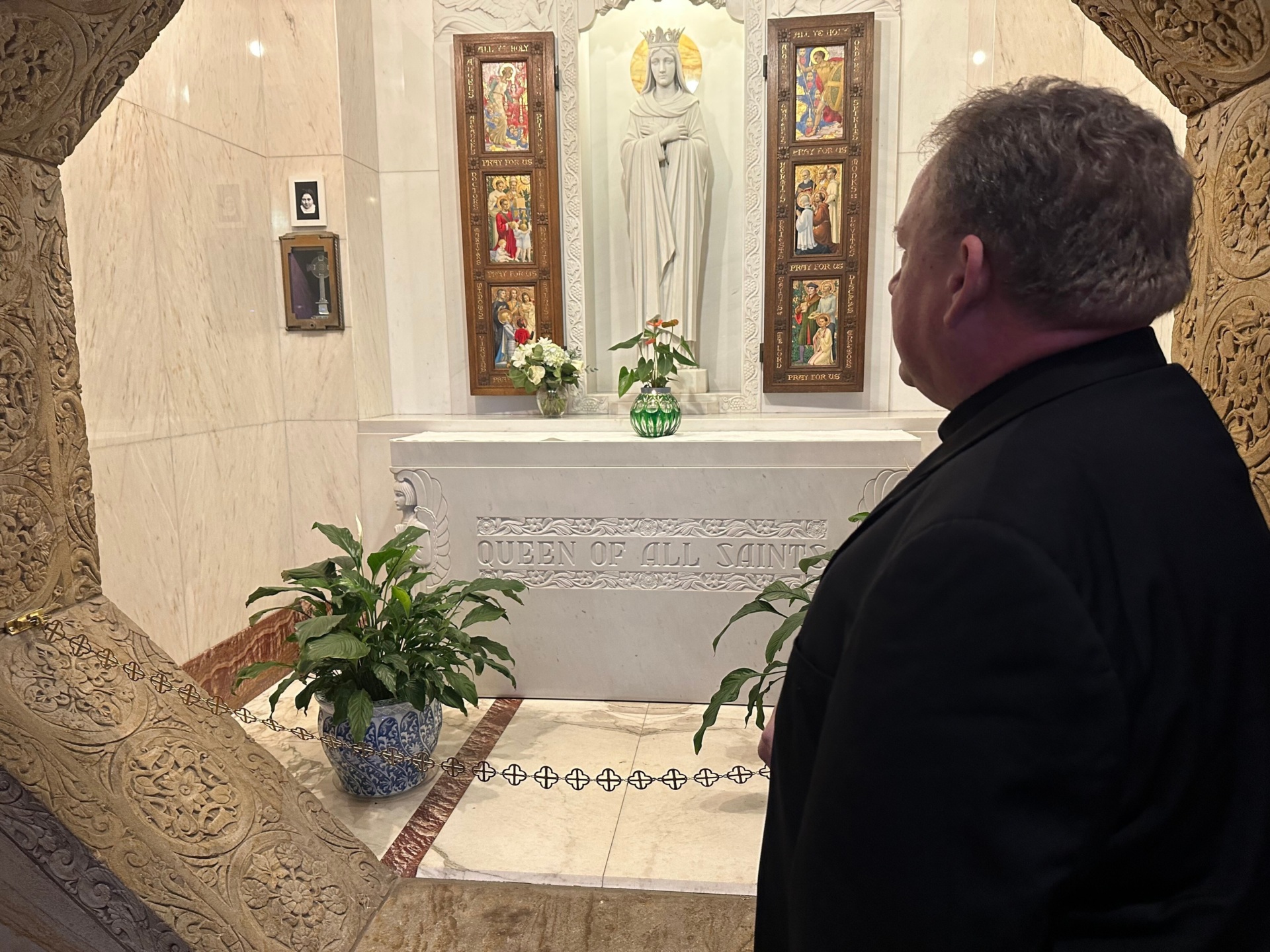
Reverend John Bettin, rector of the national sanctuary of the Fleurie Little Basilica, looks at a relic from Saint-Thérèse de Lisieux inside the basilica on September 30, 2025, in Royal Oak, Michigan. (Photo / mike householder)
In the Catholic tradition, a relic is an object, in particular part of the body or clothes, which serves as a memorial of a disappeared saint. It is an ancient tradition within the Church to venerate or honor the relics of the Holy People.
The Associated Press contributed to this story.