The search for Cleopatra’s long-lost tomb leads to sunken seaport


She is among the most famous leaders in world history, but archaeologists still do not know the location of the tomb of the Egyptian Queen Cleopatra. Now, the Explorer and Archaeologist of the National Geographic and Dr. Kathleen Martínez and his team revealed a major index in their 20 -year hunting: the remains of a port off the Mediterranean coast of Egypt. The previously unknown old port could have been used to keep the remains of the Egyptian queen out of the Roman hands.
The discovery was recently announced by the Egyptian Ministry of Tourism and Antiquities, published by National Geographicand is the objective of a new documentary called Cleopatra’s final secret.
What happened to Cleopatra?
Queen Cleopatra VII was born in Alexandria, Egypt in 69 CE and became queen at the age of 18. His forces were defeated by Octavian (also known as Emperor Augustus) the founder of the Roman Empire, during the Battle of Actium in 31 EC. Legend has it that it allowed a toxic snake to bite it in Alexandria in 30 CE, but the exact circumstances of her death remain unknown. Even the remains of the sister of Cleopatra Arsinoë IV have long been wrapped in mystery and speculation.
When he died, the Romans have made sure to destroy the imagery of Cleopatra, with less than 10 statues to survive to date. This lack of evidence made the search for his last rest place very difficult.
National Geographic
Theory
Martínez, originally lawyer for criminal defense, theorizes that after the death of Cleopatra, his body was brought to the Taposiris Magna temple near the coastal city of Alexandria. Its remains were transported through a tunnel now underwater and through an offshore port, before being put at rest and hidden from the Romans. In 365 EC, the city of Alexandria was largely destroyed by earthquakes and a tsunami, which means that the port and any potential marker or tomb for Cleopatra were overwhelmed under the salt waters of the Mediterranean.
About 2,000 years later, Martínez recruited the help of a well -known name with regard to underwater discoveries – DR. Robert Ballard. The oceanographer, senior senior scientists at Woods Hole Oceanic Institution and National Geographic Explorer led the expedition that discovered the wreck of the RMS Titanic in 1985.
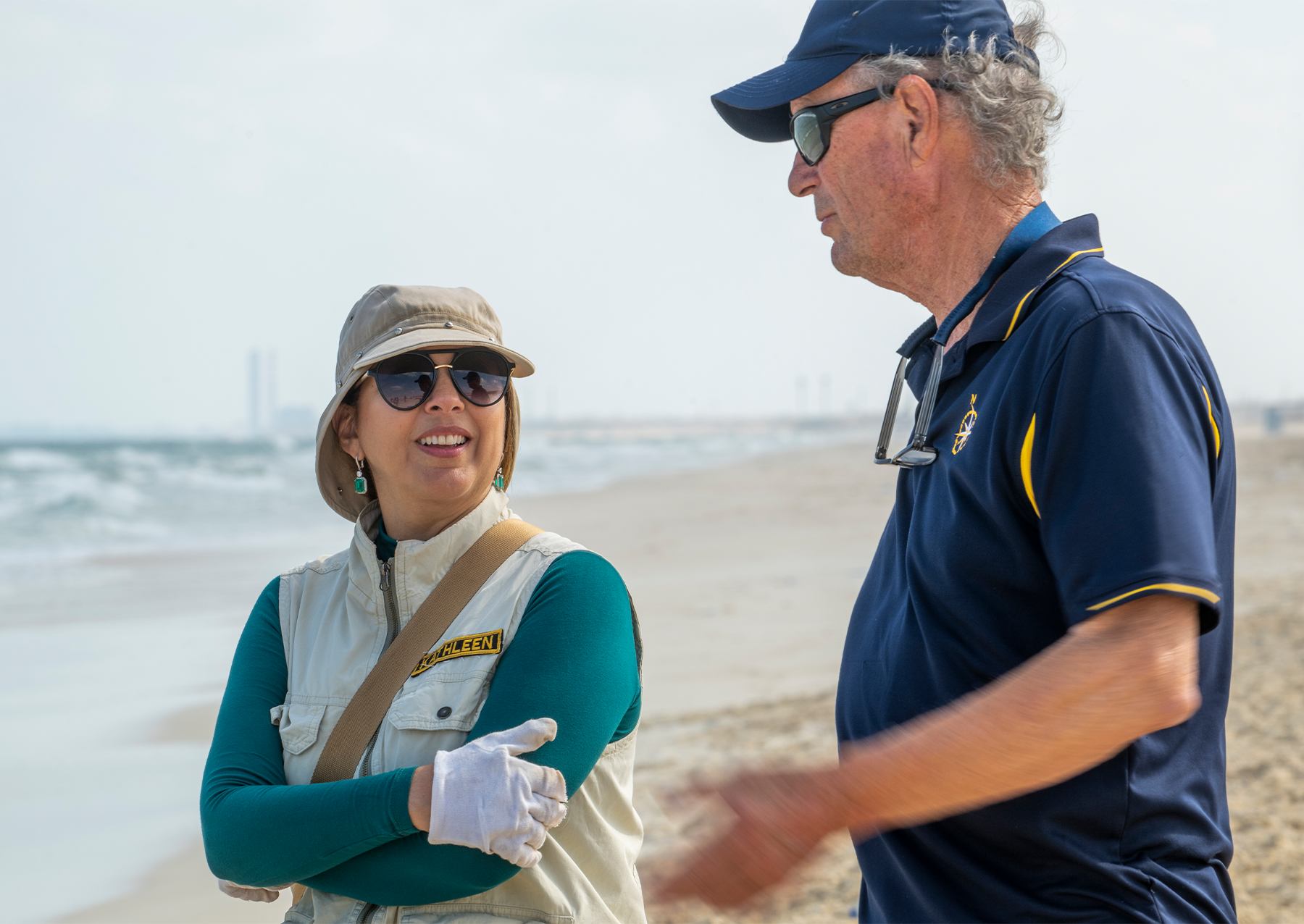
“We were able to locate the tunnel, but we needed someone who, as an oceanographer, could map the region, and this is how he came and helped us,” explains Martínez Popular science. “It would have taken me at least five years to obtain the information he was able to deliver in a month.”
“ RA justice has shown ”
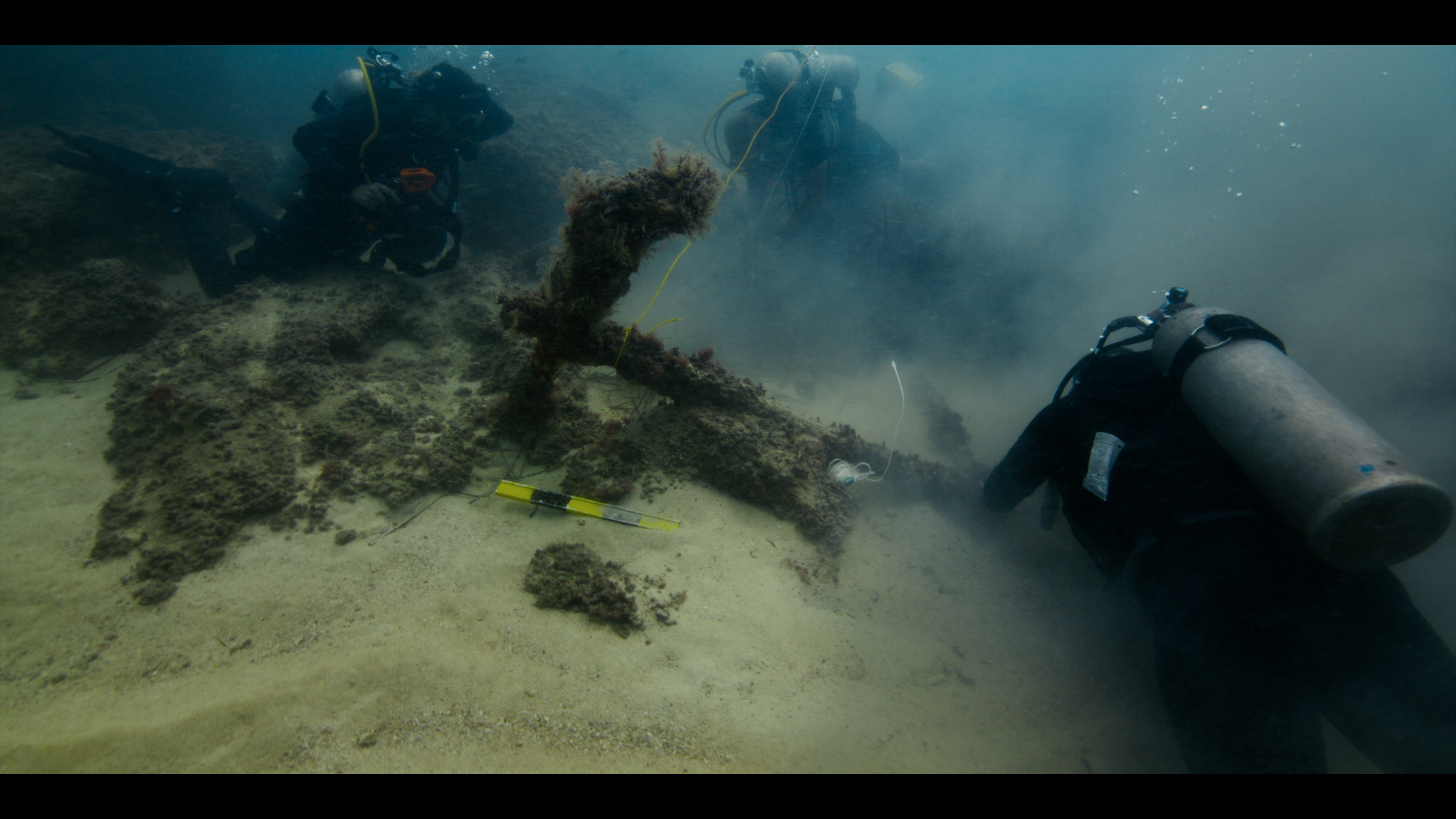
Martínez found for the first time an underground tunnel of 4,265 feet in 2022. In the expeditions since, the team found rows of imposing structures which could have been columns, some of which stood more than 20 feet high. The team also discovered evidence of polished stone floors, ship anchors, cemented blocks and storage pots called amphorae. Above all, all these objects are dated from the Cleopatra era. They also found what could be the eighth statue of Cleopatra. Taken together, the tunnel and these discoveries indicate an Egyptian port sunk under the Mediterranean Sea.
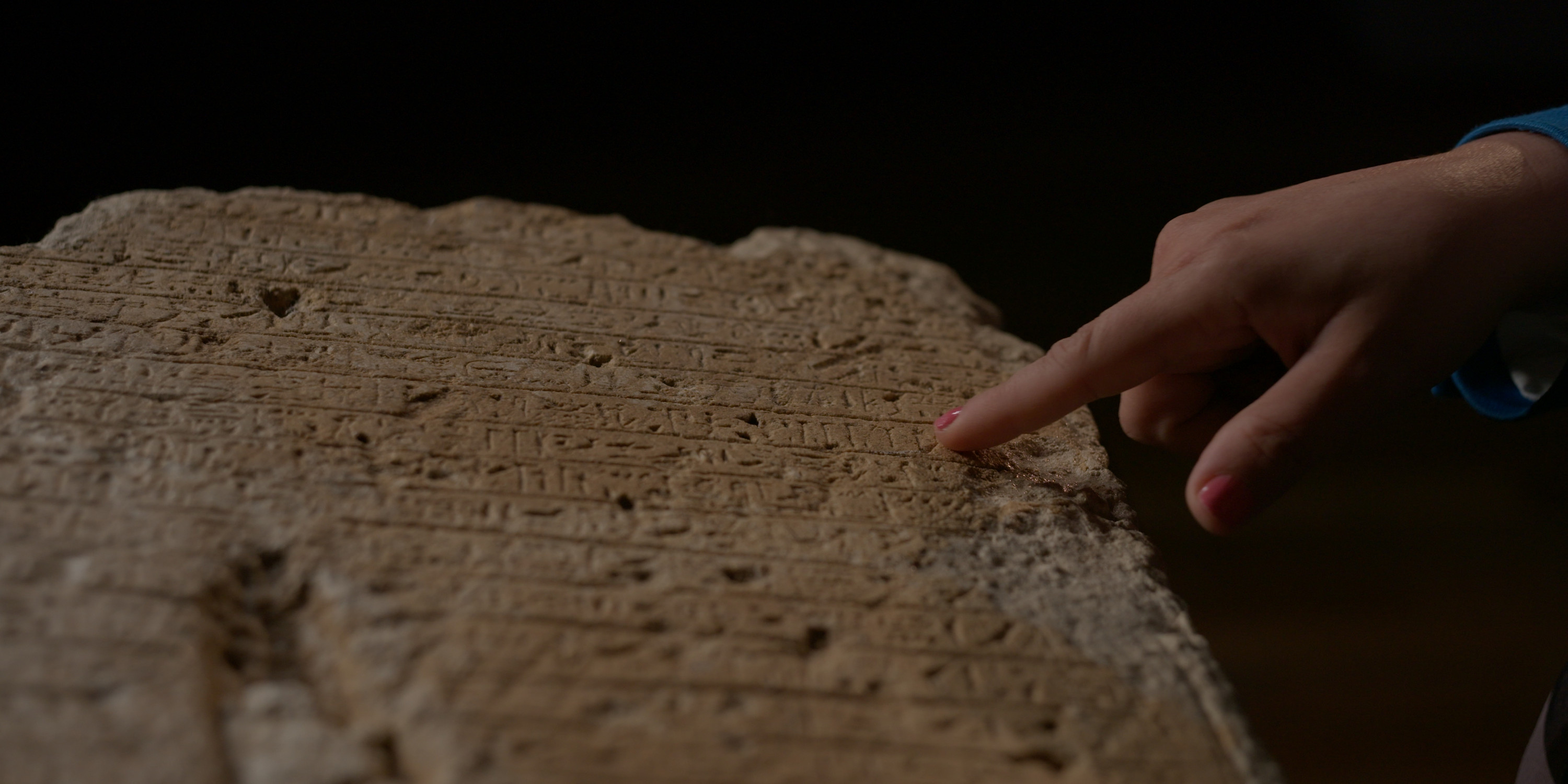
According to the Egyptian Ministry of Tourism and Antiquities, 337 pieces have also been found in these expeditions, many of which carrying the image of Cleopatra. The team also discovered pottery, oil lamps, limestone pots, bronze statues, an amulet in two pieces inscribed with a sentence that results in “RA justice has shone”, and a bronze ring dedicated to Hathur, the goddess of love, beauty, music, dance, fertility and pleasure.
Kathleen Martinez, finds in Taposiris Magna which can be the eighth statue of Cleopatra. This may establish the strongest evidence of Kathleen’s theory that Cleopatra is intimately linked to this temple. Credit: National Geographic
Martínez says that finding this old suspected port is to fill large gaps on one of the most corrected figures in history – everything without using primary sources.
[ Related: Sorry, this skull does not belong to Cleopatra’s sister. ]
“There were no old sources about a port in Tabosiris Magna,” she explains. “We have archaeological evidence, and we have an inscription inside the temple, where a pilgrim thanked Osiris and isis for being alive because they were in the middle of the storm in the sea.”
The inscription and the location where the Lighthouse of Alexandria was held helped Martínez and the team to deduce that there was probably a port at the Tabosiris Magna temple, which could have the body of Cleopatra carrying its last place of rest.
For his part, Martínez will remain dedicated to the search for the tomb of Cleopatra saying: “It is a matter of time.”
Cleopatra’s final secret is now streaming on Disney + and Hulu.

More offers, reviews and purchasing guides