How One Battle After Another Imagines an Armed Left


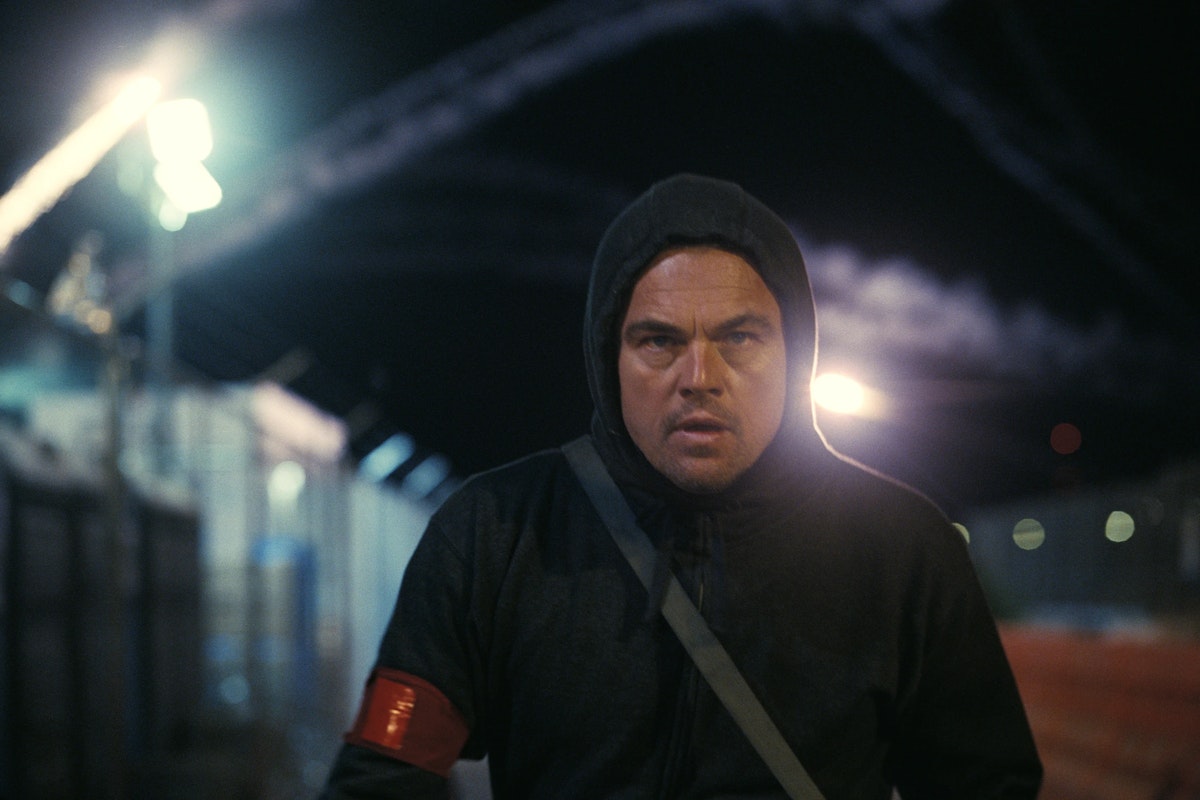
Among the many differences in the film compared to the novel, it seems that it seems to be settled approximately in the present – at least to judge mylar covers used in the detention centers of immigrants and the amusing intergenerational debates on the “awake” language – although no one refers to the screen to the president in the session or the current year or to specific real events. If the last two thirds of the film are intended to represent America in 2025, the first third of the film must take place around 2009, at the start of the presidency of Obama, which is not a constantly period for the vigilant left groups featuring attacks against the immigrant detention centers. In its representation of the repression of immigrants from the right, and in particular with the memorable performance of Sean Penn as a white supremacist in conflict and buffoon which is no less terrifying for its own comic weaknesses, One battle after another Strangely exposed the second Trump administration, although it was written and filmed before its start.
The least credible part is the corresponding existence of a revolutionary group on the left which retaliates physically. And aesthetically, at least, the 75 French are less like meteorological than the conspiracy image of the right of the “antifa supersolders” has made flesh and projected in the recent past; They are not nostalgic for the radical chic of an earlier era as much as they are a supposition of what our own era might look like if it were to take shape. The organization is notably multiracial and multi -generational, communicates via secret code words and homing beacons, and maintains safe houses in sympathetic communities. For the most part, its violence is a disruptive rather than deadly, although there are substantial exceptions. There is a certain joy and carefree camaraderie, with Perfidia offering to have sex with Pat because the bombs they have just planted. They make fascism resisting resistance, until things go wrong, which they inevitably do. The public of my projection seemed to have a total explosion, laughing and applauding throughout – and while I lived One battle after another In the same way, with hindsight, it was a somewhat discordant reaction given the too relevant representations of immigrant families torn apart by armed federal agents.
The spectacular exploits of the 75 French people seem to be far enough – at this time, in any case – to function as a large screen entertainment. But the closely organized underground railway by Benicio Del Toro for undocumented immigrants shows a more plausible and perhaps more durable model to resist fascism. Upstairs of a daily showcase, Sensei de Del Toro offers Bob de DiCaprio a guided tour in a fortune village where Latin families sleep on carpets, several in a room, all apparently trained and ready to respond to federal raids at any time. Unlike some of the 75 French members that we have known, Sensei is fluent in Spanish, and he knows the names of the people he helps and has made the effort to build a community with them. Here, we see ordinary workers who try to live in peace in a country where the armed forces of the state intend to violence on them. Resistance, for them, is not an aesthetic posture or curly conduct or a rejection of stifling social standards, but a question of basic survival, and it is based on coordination, confidence and secret procedures designed to ensure the safety of each. Most people, after all, do not try to kill or be killed; Most people just want to know how to build communities that can defend themselves.


