Cops on Ketamine? Largely Unregulated Mental Health Treatment Faces Hurdles


If you or someone you know is experiencing a mental health crisis, contact the 988 Suicide & Crisis Lifeline by dialing or texting “988”.
ASHEVILLE, N.C. — A few months ago, Waynesville Police Sgt. Paige Shell was about to give up all hope of recovery. The daily flow of violence, death and misery resulting from nearly 20 years of law enforcement service had left its mark. His sleep was poor, depression was a stubborn companion, and suicidal thoughts had taken root.
Shell, who works in a rural community about 30 miles west of Asheville, tried talk therapy, but it didn’t work. When her counselor suggested ketamine-assisted psychotherapy, she was skeptical.
“I didn’t know what to expect. I’m a cop. It’s a question of trust,” she said with a thin smile.
Combining psychotherapy with low-dose ketamine, a hallucinogenic drug long used as an anesthetic, is a relatively new approach to treating severe depression and post-traumatic stress, particularly in populations with high rates of trauma, such as firefighters, police officers, and military personnel. Yet the evidence for the effectiveness and safety of ketamine for the treatment of mental health conditions is still evolving and the market remains largely unregulated.
“First responders experience a disproportionate burden of trauma and are often left without many treatment options,” said Signi Goldman, a psychiatrist and co-owner of Concierge Medicine and Psychiatry in Asheville, which began including ketamine in psychotherapy sessions in 2017.
Law enforcement officers in the United States are exposed to an average of 189 traumatic events during their careers, a small study suggests, compared to two to three in the life of the average adult. Research shows that rates of depression and burnout are significantly higher among police officers than among the civilian population. And in recent years, according to the first responder advocacy group First HELP, more officers have committed suicide than have been killed in the line of duty.
Ketamine is a dissociative drug, meaning it causes people to feel detached from their body, physical environment, thoughts, or emotions.
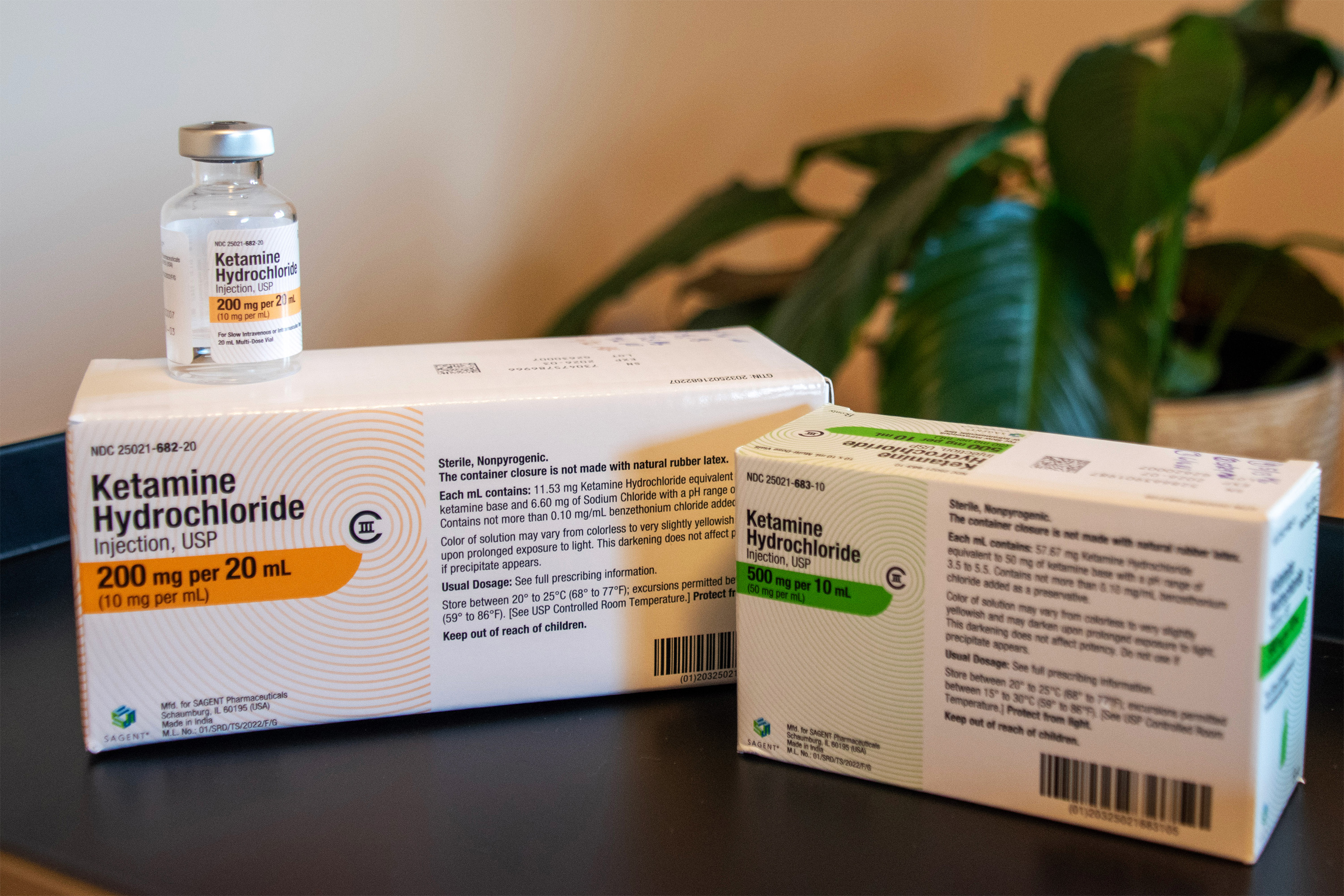
The Food and Drug Administration approved it as an anesthetic in 1970. It became a popular drug in the 1990s, and in 1999, ketamine was added to the list of nonnarcotic substances in Schedule III of the Controlled Substances Act.
The death of “Friends” actor Matthew Perry in 2023, attributed to ketamine use, further tarnished the drug’s reputation.
But starting with a 1990 animal study, followed by a landmark human trial, research has shown that low doses of ketamine can also quickly reduce symptoms of depression. In 2019, the FDA approved esketamine – derived from ketamine and administered as a nasal spray – for the treatment of treatment-resistant depression.
All other forms of ketamine remain approved by the FDA only for anesthesia. If it is used to treat psychiatric disorders, it must be prescribed off-label.
“This is a situation where clinical practice is probably ahead of the evidence that supports it,” said John Krystal, chair of the department of psychiatry at the Yale School of Medicine and a pioneer in ketamine research.
Krystal studied the effect of ketamine on veterans and active-duty military personnel – a population comparable to first responders in their exposure to trauma. Although research shows strong evidence for ketamine’s antidepressant effects, he said more studies are needed on its potential role in treating PTSD.
The regulatory environment for ketamine also remains a concern, Krystal said. State oversight varies, and federal regulations do not describe dosing, administration methods, safety protocols, or provider training.
In this regulatory patchwork, more than 1,000 ketamine clinics have sprung up across the country. Ketamine home treatments have flooded the market, prompting the FDA to issue a warning.
Side effects of ketamine can range from nausea and blood pressure spikes to suppressed breathing. The medication may also cause adverse psychological effects.
“Being on psychedelics puts people in an extremely vulnerable state,” Goldman said. People can be retraumatized when they relive disturbing memories. That’s why it’s essential for a mental health provider to guide a person through a ketamine session, she said.
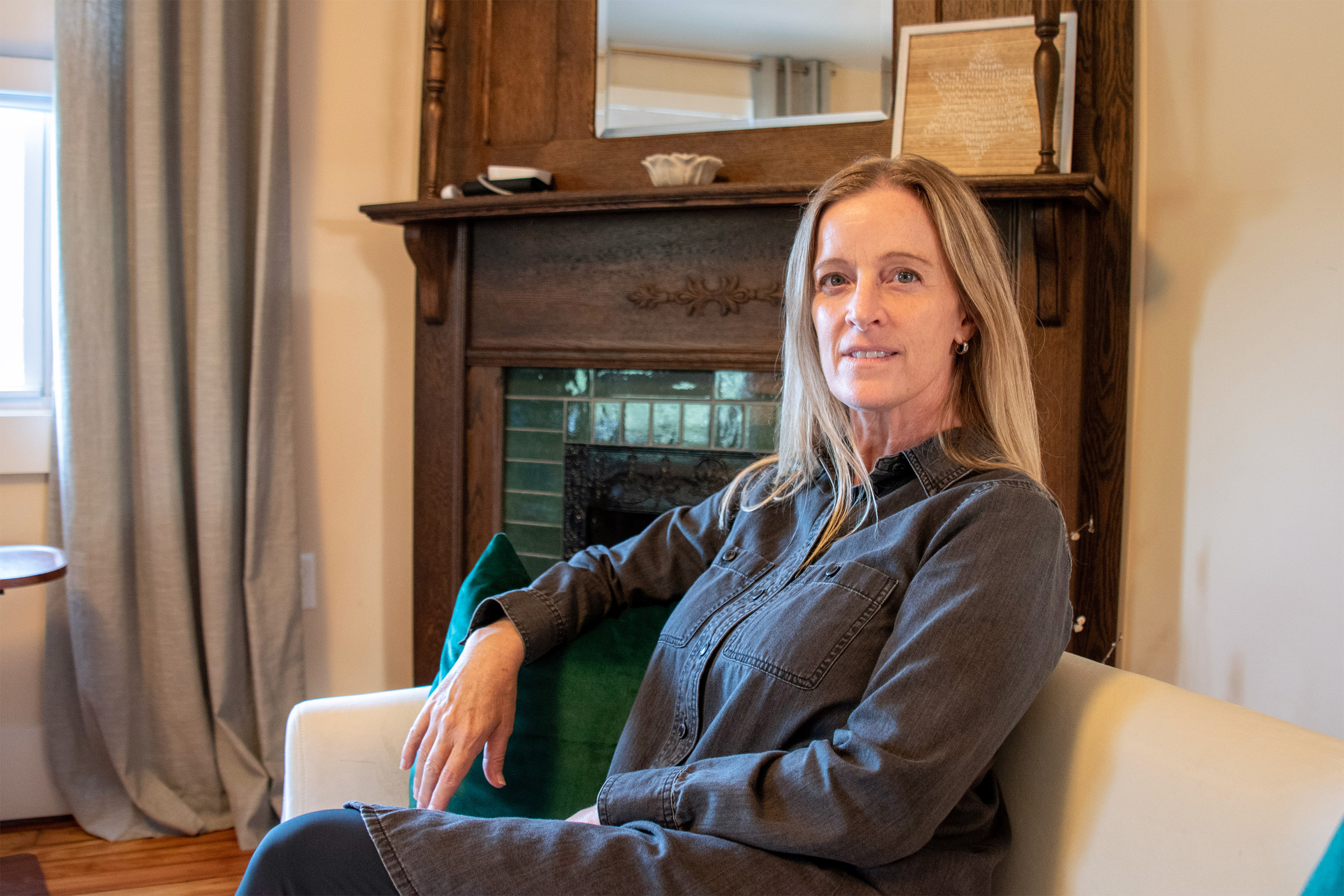
With proper precautions – and when other treatments have failed – Rick Baker believes ketamine-assisted psychotherapy is well suited for first responders. Baker is CEO and founder of Responder Support Services, which provides mental health treatment exclusively to police officers, firefighters and other first responders in North Carolina, South Carolina and Tennessee.
As a population, first responders are more resistant than civilians to traditional therapy, said Baker, a licensed clinical mental health counselor. Ketamine provides a potential shortcut to trauma memory and acts “like an accelerator for psychotherapy,” he said. “It takes away people’s armor.”
When used for mental health treatment, a dose of ketamine — typically half a milligram per kilogram of body weight, less than for anesthesia — creates a mildly altered state of consciousness, Goldman said. This causes people to look at their own traumatic memories with distance “and tolerate them differently,” she said.
Ketamine sessions at his office typically last two hours, and clients are on the drug for about 45 minutes. The medication is administered as an intravenous drip, intramuscular injection, lozenges under the tongue, or compound nasal spray. The drug is short-acting, meaning its dissociative effects largely disappear within about an hour.
But most insurers don’t cover the cost of ketamine-assisted psychotherapy, which can run more than $1,000 per session for the intravenous infusion.
“It’s certainly prohibitive for first responders,” Goldman said.
The Department of Veterans Affairs covers some forms of ketamine treatment, including ketamine-assisted psychotherapy, for eligible veterans on a case-by-case basis.
In Shell’s case, a donation to Responder Support Services covered what her insurance didn’t cover when she decided this spring to try ketamine-assisted psychotherapy with Baker, her counselor.
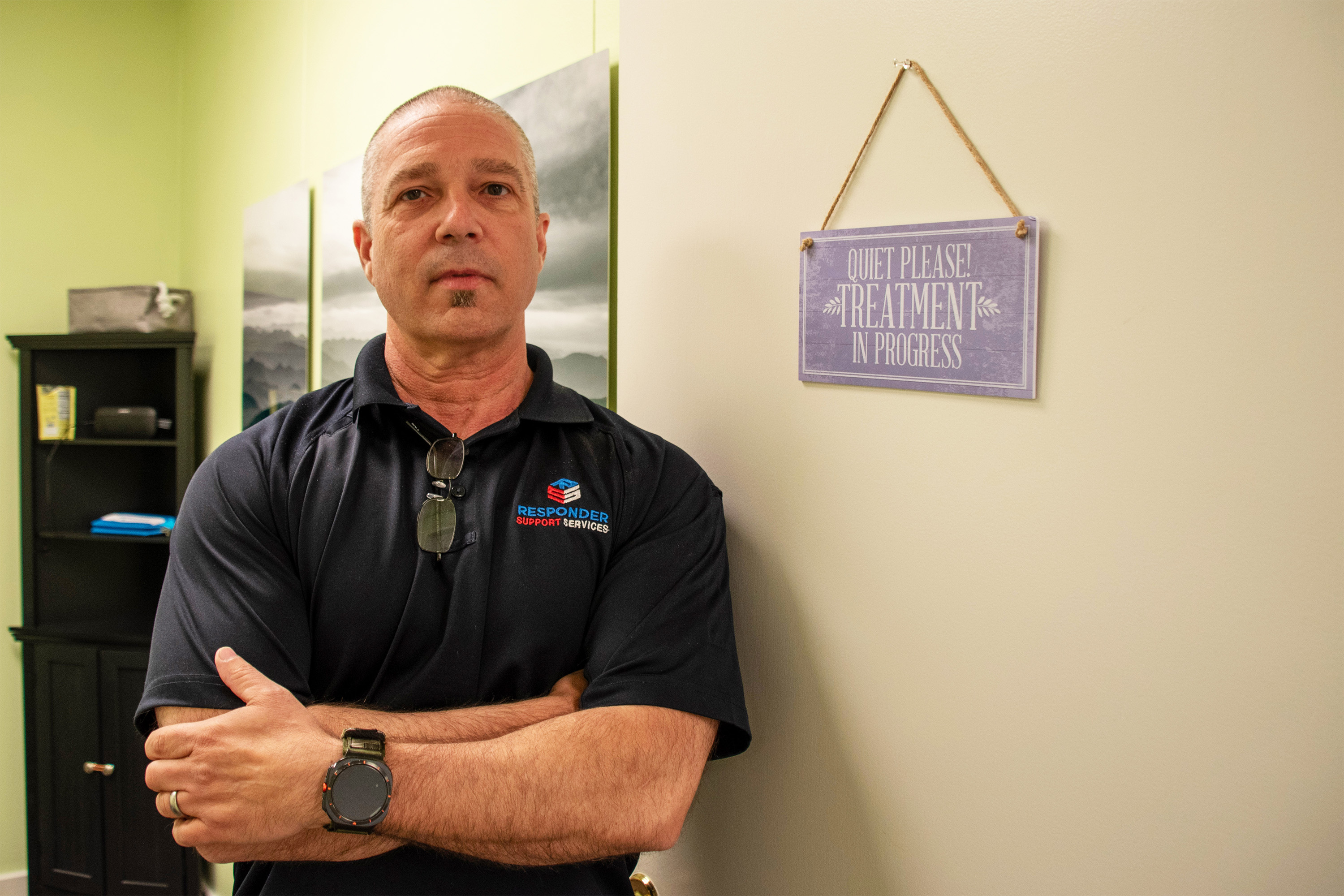
Looking back on the most horrific calls of her nearly two decades as a police officer was not something Shell wanted to do. But Hurricane Helene, which brought catastrophic flooding to western North Carolina last year, pushed the 41-year-old “over the edge,” she said.
“Some sessions were difficult,” said Shell, who is also a member of her agency’s SWAT team. “Things happened that I didn’t want to think about, that I had buried my entire career.”
Victim seriously mutilated in fatal car crash. A murder-suicide in which a man slit his pregnant girlfriend’s throat then slit her own.
On ketamine, the images came to life as stills, she said, like a surreal slideshow replaying some of her darkest memories. “Then I would sit there and cry like a baby.”
By early October, Shell had undergone 12 sessions of ketamine. They didn’t bring sudden miraculous healing, she said. But his sleep has improved and bad days are now bad times. She also finds it easier to manage stress. “And I smile more than before,” she said.
She was hesitant to share her experience within her department due to the persistent stigma associated with asking for help in a demanding police culture.
“I just didn’t want my people to think I couldn’t do this job,” she said. “I didn’t want them to feel like I was a risk to them.”
The perception of ketamine also plays a role, said Sherri Martin, national director of wellness services at the Fraternal Order of Police, an organization representing more than 377,000 sworn law enforcement officers. Many police officers are accustomed to ketamine as an illegal street drug, she said, or view it as a counterculture psychedelic.
“So when they’re supposed to accept this as treatment, it’s hard for them to understand,” she said.
Few, if any, law enforcement agencies provide clear guidance on ketamine-assisted psychotherapy. If it were prescribed medically, it would probably be considered the same as taking an antidepressant, Martin said.
Shell eventually shared her story with colleagues, most of whom were curious and supportive, and she now encourages other agents to speak out about their struggles. She believes seeking mental health treatment — in her case, ketamine-assisted psychotherapy — has made her a better, safer police officer.
“It’s hard to help others when you can’t take care of yourself,” she said.


