How human composting turns bodies into soil


As Halloween approaches, images of funerals gone wrong can easily become horror movies: hands shooting up from the ground; the creaking, cobwebbed coffin containing a decomposing corpse; the untangled mummy freed from its sarcophagus. But what if human remains could be as harmless as a nice bag of garden soil or a peaceful hike in the forest?
It may not make for the scariest Halloween lawn display, but green burials, and particularly human composting, are an environmentally friendly, life-sustaining option that is now legal in 14 states, most recently in New Jersey.
But how does a human composting container work? And what exactly happens to Grandpa’s hip replacement once he’s “recycled”?
“Essentially, we optimized what would happen in nature,” says funeral director Brienna Smith, chief operating officer of Return Home Green Funeral Home in Seattle. “It takes about 60 to 90 days for the human body to transform itself from what it originally is – flesh and bones, like us – into compost. »
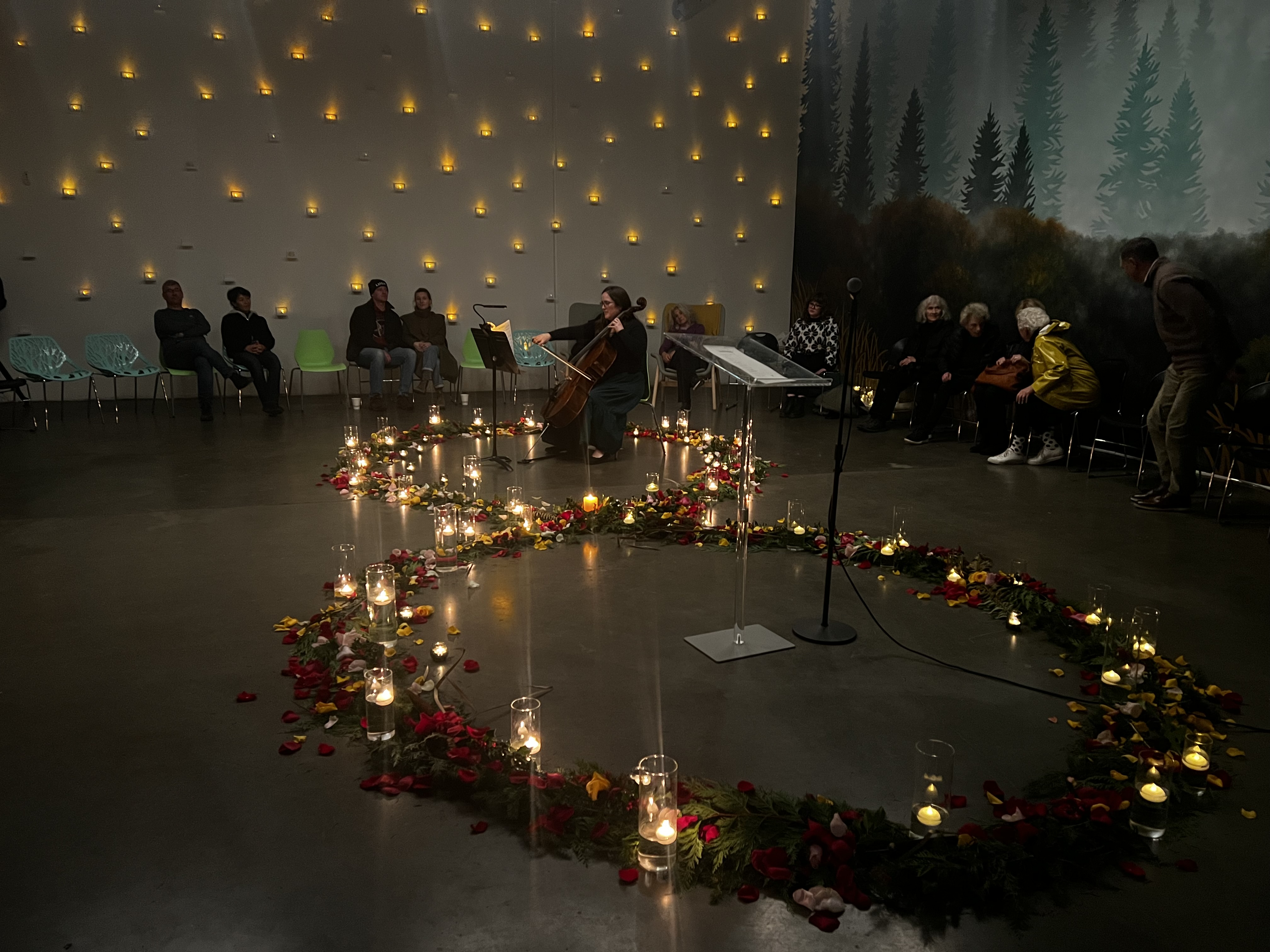
Prepare the body
Smith describes the process of natural organic reduction – also called “terramation” – as “gentle, non-invasive and slow”.
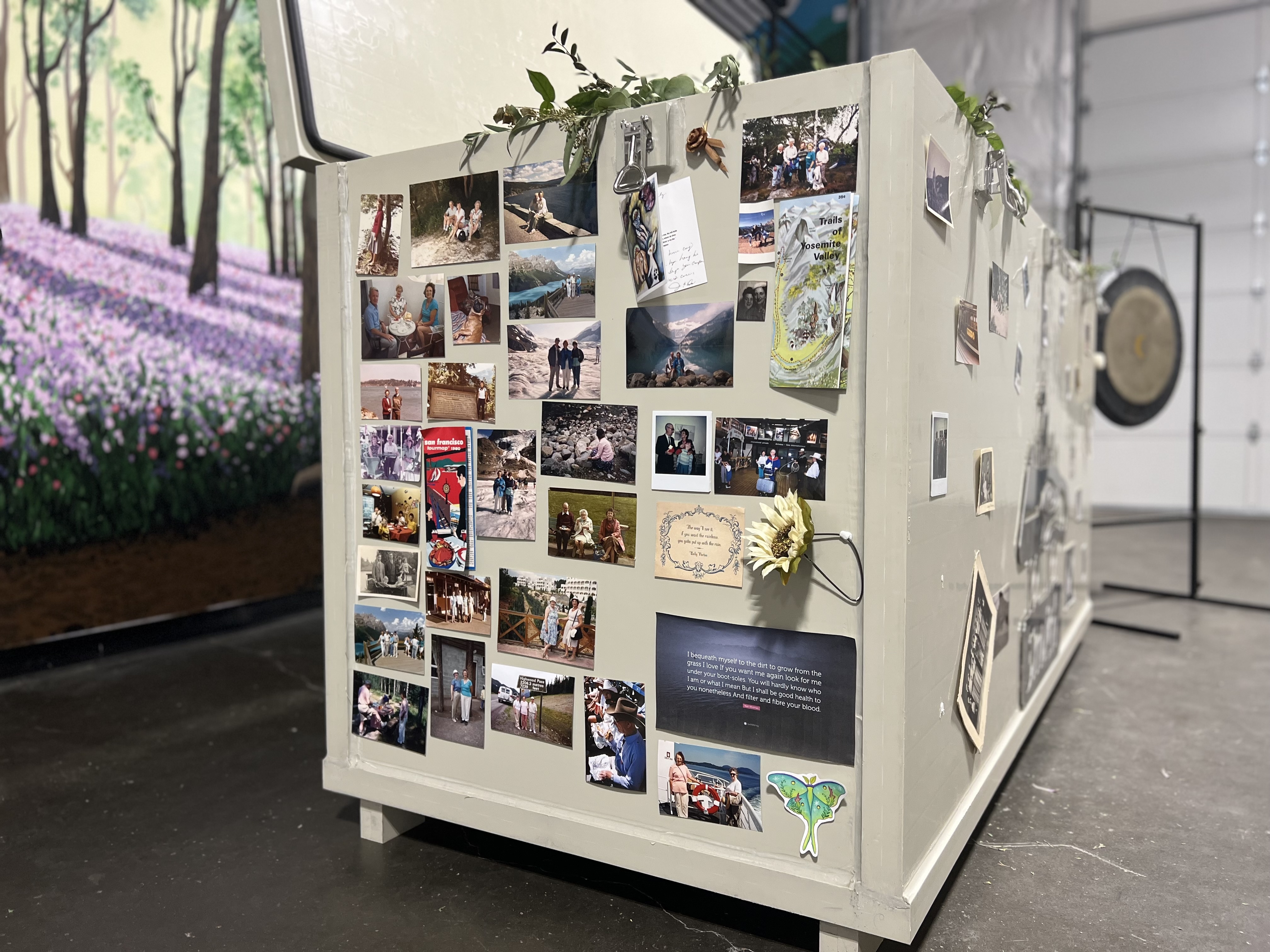
In the first stage, the deceased is gently bathed with soaps with essential oils. Their hair is washed and their eyes and mouth are closed. They are then dressed in soft, compostable clothing. Smith tells Return Home that they’re lovingly made by her own mother, Kim Yarger, who nicknamed them “Terra Couture.” Once the body has been prepared for terramation, it is placed in a polycarbonate container measuring approximately eight feet long, three and a half feet wide and three and a half feet high.
During an optional “laying down” ceremony, the family of the deceased is invited to memorialize their loved one and decorate the vessel with keepsakes and gifts. Then the ship is closed – for a few months anyway – and the real work begins.
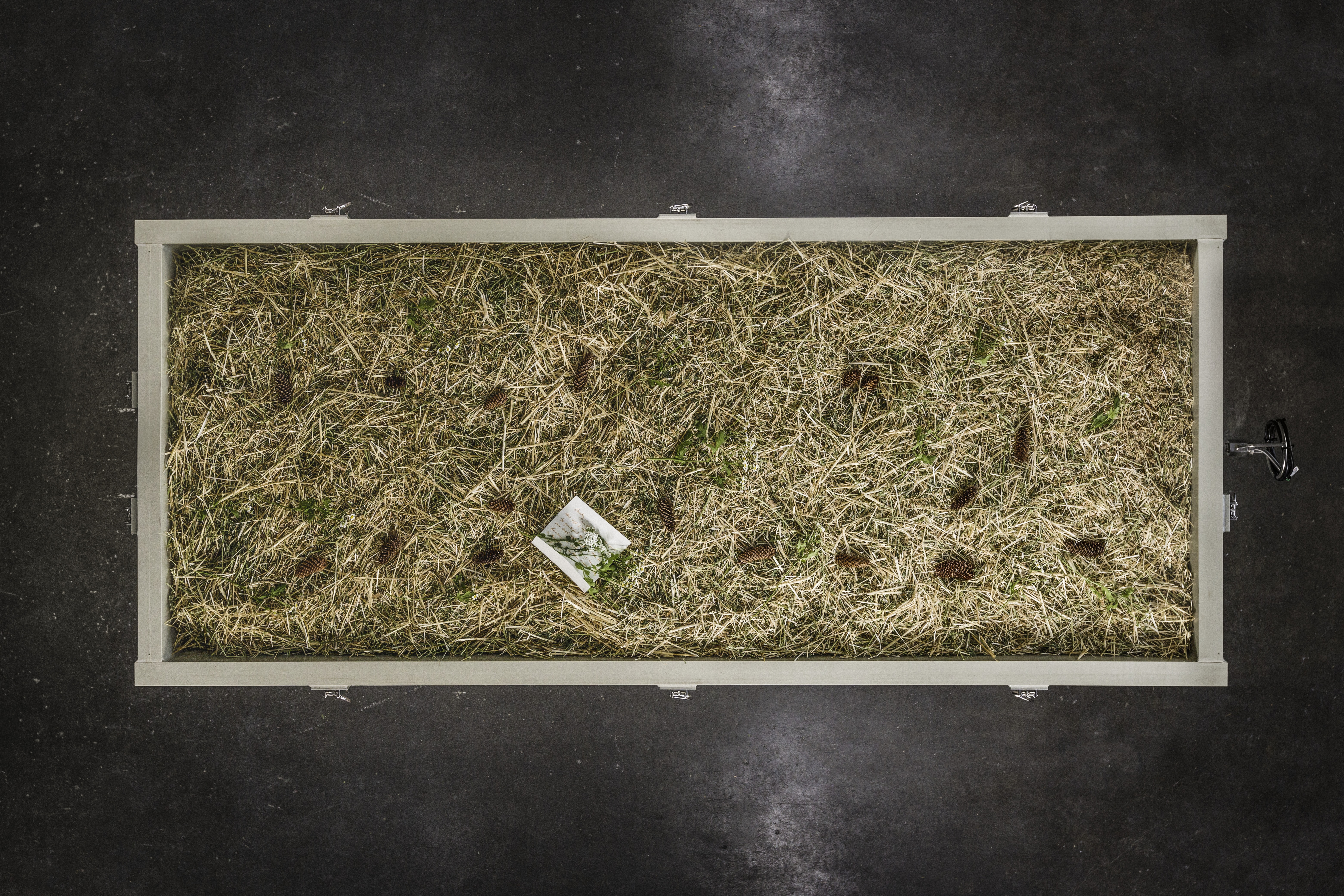
Inside the Human Composting Container
The appearance of human composting containers varies, but Return Home’s look less like futuristic pods and more like simply designed rectangular boxes. An oxygen tube threaded through each container draws in airflow to stimulate the microbial activity necessary for composting. Air from the terramation room is constantly drawn through an HVAC system equipped with carbon filters, which capture gases emitted during the composting process. The result is a clean, odor-free space that families visit often throughout the process. Smith fills the container with an organic mixture of straw, which provides insulation, alfalfa, which generates nitrogen for microbial breakdown, and sawdust, to absorb excess moisture.
“We mix straw, alfalfa and sawdust at a very specific ratio to the person’s body weight,” says Smith. “We place the base layer of organics in the container, the person is placed on top of the base layer, and then there’s a second layer of organics. The person is sort of nestled between the two layers.”
Once the deceased is placed in the container, the microbes begin to decompose the remains. During this period, temperature is essential. High temperatures help speed up the decomposition process. State regulations require the vessel’s internal temperature to reach at least 131 degrees Fahrenheit for 72 hours, a protective measure intended to kill pathogens and ensure the composted soil is safe for human contact.
“We typically sit at a much higher temperature for about three weeks,” says Smith. “What we notice is that the temperature will increase and that [deceased person] they will actually suck in their own oxygen – it’s like a fire. Once the temperature begins to rise, oxygen is drawn in naturally. »
Over the next few weeks, Smith and his colleagues continuously monitored the ship’s interior for humidity, airflow and temperature.
After about three weeks, the temperature inside the container cools to match that of the surrounding air, a sign that the microbes have slowed down and stopped generating heat. That’s when Smith and his team step in to give nature a little boost.
Return Home’s ships differ from those of other installations in that they are entirely passive. There is no machinery inside and the ships do not turn on their own. About halfway through the process, staff use a custom-made device that gently inverts each container from the outside, redistributing the contents and reintroducing oxygen to keep decomposition even.
“We use a custom piece that wraps around our ships, hugs them and rotates them,” says Smith. “Once we equalize the contents of the containers, we see the temperatures rise again, as the microbes are exposed to the nitrogen.”
Related Stories Ask Us Anything
The final stages of the process
Once the temperature in the container drops to room temperature, Smith knows that the contents of the container “become one with the organic matter surrounding it.” The next step is the screening process, during which the vessel is inverted and any inorganic material, such as pacemakers or hip replacements, is removed by hand and recycled, and the bone fragments are then broken down to ensure a uniform consistency.
The processed human remains are then moved from the container to a small cube, where they remain for an additional 30 days as they release carbon dioxide. After about 30 days, the remains, now approximately 250 pounds of nutrient-rich soil, are ready to be returned to the family.
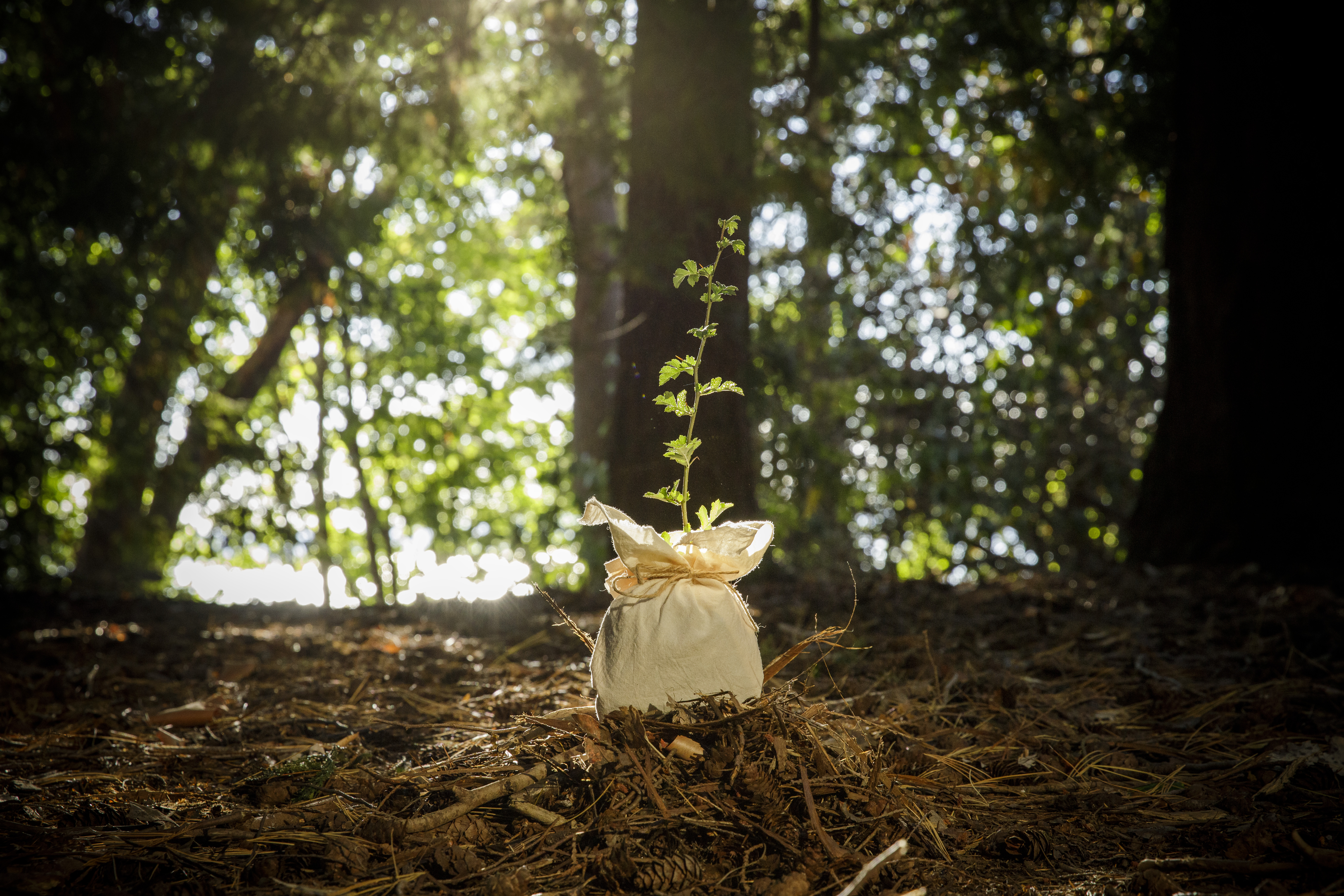
From the body to the ground
Once the process is complete, loved ones can choose to take all of the soil or a smaller, urn-sized amount. For families who are unable to receive the full amount, Smith says Return Home donates the remainder to an eight-acre forested area designated as a greenbelt in Washington state.
For those who choose to conserve soil, it can be used to nourish any type of plant life, Smith says. So maybe one day your loved ones will be able to watch your beautiful memorial garden grow from you.
“It’s the most beautiful thing I’ve ever seen: Nothing gives life like that,” says Smith, who was once a traditional funeral director. “It’s such a conscious choice for people who have lived their whole lives recycling and composting. It’s a way for them to feel like their death matches the way they lived.”
This story is part of the Popular Science book Ask Us Anything Serieswhere we answer your craziest and most burning questions, from the ordinary to the unusual. Do you have something you always wanted to know? Ask us.

Shop Amazon’s Prime Day Sale


