Why Centrist Democrats Keep Being Wrong About Elections


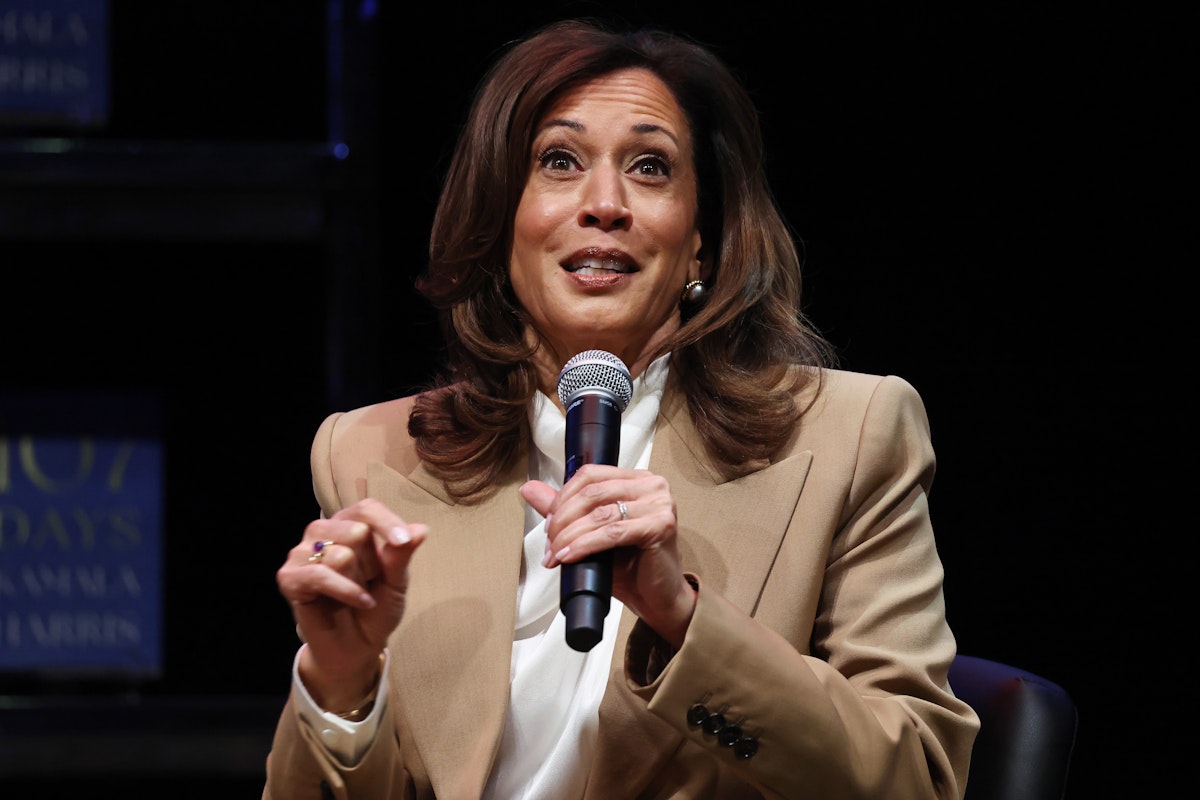
Donald Trump won in 2024, according to report co-authors Simon Bazelon, Lauren Harper Pope and Liam Kerr, because Democratic candidates talked too much about controversial issues like climate, immigration and trans rights. Kamala Harris hasn’t talked enough about “kitchen table” issues like the cost of living and the price of prescription drugs. The party platform contained too many extreme positions, and voters noticed it. The way forward, they reason, is to support centrist candidates and moderate the party’s positions on immigration, public safety, climate, and “identity and cultural issues.”
There are some problems with this thesis, which seems to be rehashed every time Democrats lose an election. The most fundamental is that it assumes, in a light-hearted fantasy borrowed from simpler times, that voters’ perceptions of the Democratic Party come from the party’s policy platform and candidates’ speeches, rather than random information absorbed from a propaganda-filled media environment.
What percentage of the public do you think has any idea what the Democratic Party’s platform is? I’ll give you a hint: it’s lower than the number you just thought of. Nor do people form impressions of the party based on canned responses, policy briefs, or stump speeches. The characteristic feature of the mass electorate is that it is an inattentive electorate. Their perception of the Democratic Party is shaped by the stories they overhear, mostly as background noise.

:max_bytes(150000):strip_icc()/HDC-GettyImages-2212443785-dbb4ace10c9f4202a5e16989d2bb44ab.jpg?w=390&resize=390,220&ssl=1 "10 Strength Exercises That Can Help You Age Better")


