Google’s new hurricane model was breathtakingly good this season


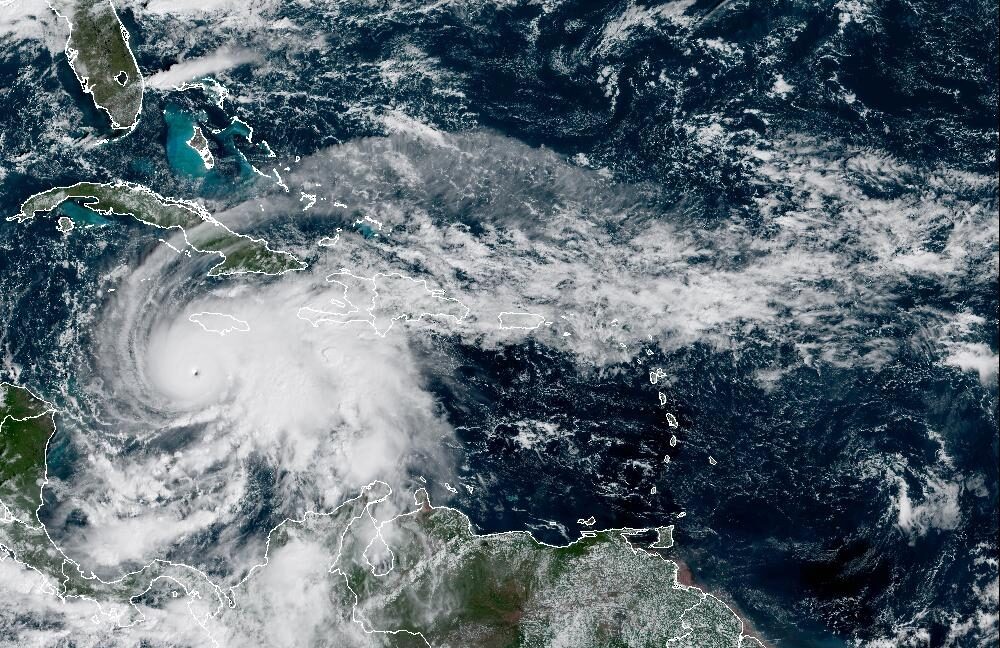
This first model comparison does not include the traditional physics-based “reference” model produced by the European Center for Medium-Range Weather Forecasts. However, the ECMWF model generally does not perform better at predicting hurricane tracks than central or consensus hurricane models, which weight several different model results. It is therefore unlikely that it will be superior to Google’s DeepMind.
This will change the forecast forever
It is worth noting that DeepMind also performed exceptionally well in predicting intensity, that is, fluctuations in the strength of a hurricane. Thus, during its first season, it managed to control both the trajectory and the intensity of the hurricanes.
As a forecaster who has relied on traditional physics-based models for a quarter of a century, it’s hard to say how mind-boggling these results are. Going forward, it’s safe to say that we will rely heavily on Google and other AI weather models, which are likely to improve in the coming years, as they are relatively new and can still be improved.
“The beauty of DeepMind and other similar data-driven, AI-driven weather models is how quickly they produce a forecast compared to their traditional physics-based counterparts that require some of the most expensive and advanced supercomputers in the world,” Michael Lowry, hurricane expert and author of the Eye on the Tropics newsletter, noted of the model’s performance. “Beyond that, these “smart” models with their neural network architectures have the ability to learn from their mistakes and correct them on the fly. »
What about the North American model?
As for the GFS model, it’s difficult to explain why it has performed so poorly this season. In the past, this was, at worst, worth taking into account when making forecasts. But this year, I and other forecasters have often ignored it.
“It is not immediately clear why the GFS performed so poorly during hurricane season,” Lowry wrote. “Some have speculated that the failure of data collection following DOGE-related government cuts this year could have been a contributing factor, but it is likely that such a factor would have also affected other physics-based global models, not just the US GFS.”
With the US government in shutdown mode, we probably can’t expect many answers soon. But it seems clear that the massive upgrade of the model’s dynamic core, begun in 2019, has been largely a failure. If the GFS was a little behind certain competitors ten years ago, it is now fading faster and faster.


