Lawmakers say it’s ‘past time’ to ditch Daylight Saving ritual for good


NEWYou can now listen to Fox News articles!
Americans just turned back the clock to switch to daylight saving time — and Rep. Vern Buchanan, R-Fla., says it’s time to do it for the last time.
“It’s clear that Americans want to end changing the clocks twice a year, and my bill will end this outdated practice,” Buchanan said.
Buchanan and Sen. Rick Scott, R-Fla., have reintroduced legislation that would stop the clock setting once and for all.
“Just recently, I had very promising conversations with House leadership, members of the Energy and Commerce Committee, and administration officials about holding hearings and moving my bill through Congress,” Buchanan said.
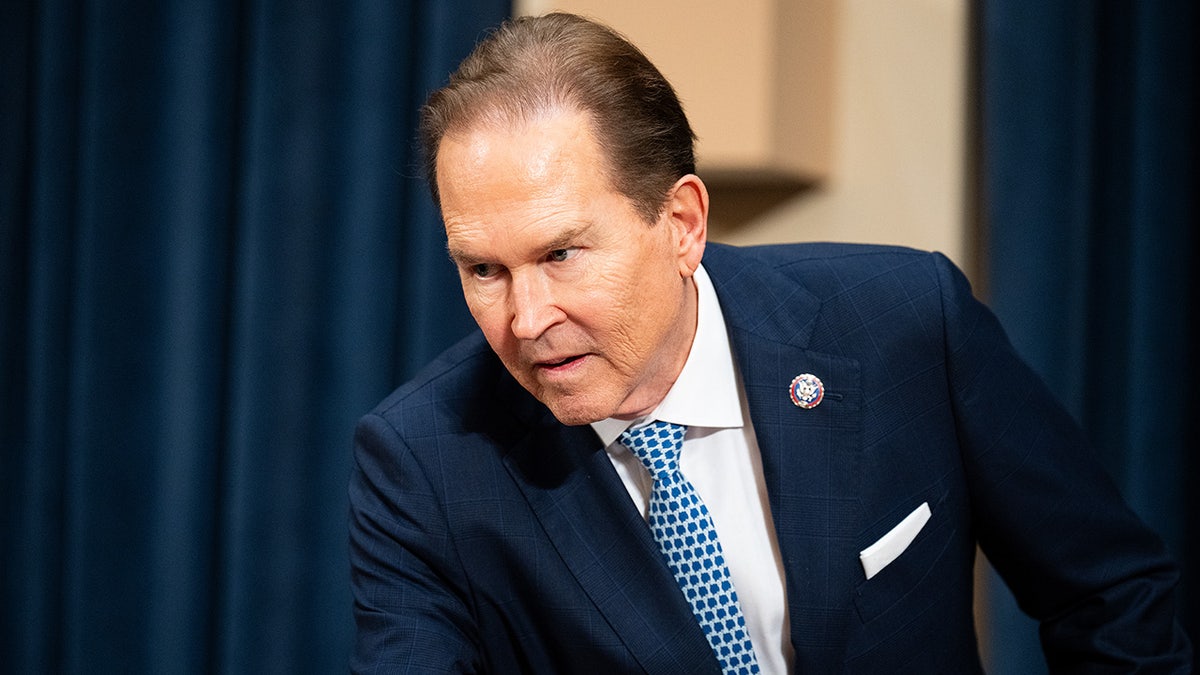
Rep. Vern Buchanan, R-Fla., attends the House Ways and Means Committee’s markup of the fiscal 2025 budget concurrent resolution reconciliation directive at the Longworth House Office Building in Washington, May 13, 2025. (Bill Clark/Getty Images)
This year, as voters across the country adjusted their clocks Sunday, Congress remains deadlocked following a 35-day shutdown that has consumed attention on Capitol Hill. That hasn’t stopped several lawmakers from calling the change obvious.
The Sun Protection Act of 2025 would make daylight saving time the nation’s new standard time. The bill has 18 bipartisan cosponsors in the Senate and 29 cosponsors in the House of Representatives.
The country first adopted daylight saving time in 1918, during World War I, to extend the workday, allowing workers to make more use of the sun instead of burning fuel to light their progress at night. At the time, the idea was filled with a sense of patriotism – a small way for Americans to consolidate their resources and contribute to the war effort.
FISCAL DISASTER SCENARIO DURING SHUTDOWN SENDS GOP TO SCAND FOR NEW SPENDING PLAN
Rep. Jay Obernolte, R-Calif., believes jet lag today causes more headaches than it’s worth.
“Extensive research has shown that biannual clock changes increase traffic accidents, disrupt student performance and negatively impact our health. But beyond repairing broken sleep cycles, ending these clock changes would address real-world problems families experience twice a year due to lost productivity and disrupted routines,” Obernolte said.
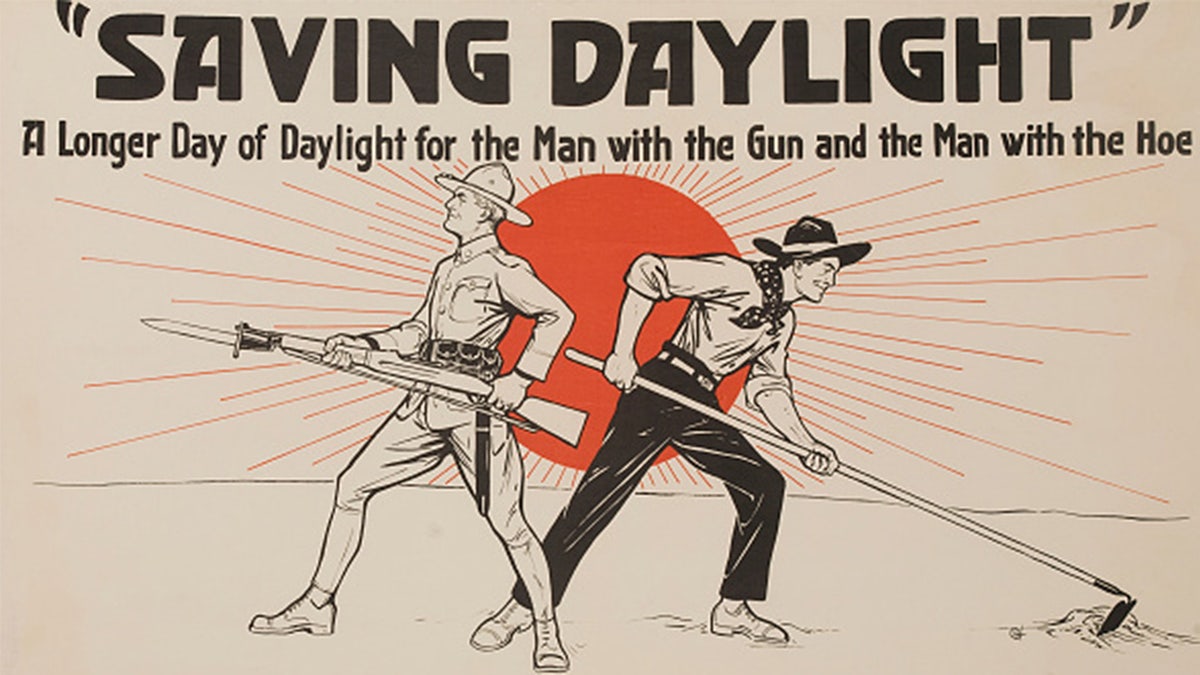
A farmer and soldier enjoy the benefits of a “longer day” with the Daylight Saving System, circa 1917, produced by the United Cigar Stores Company. (David Pollack/Getty Images)
This is not the first time that Congress has considered such a bill.
Congress appeared poised to change the DST rules for the last time in 2017, under the leadership of then-Sen. Marco Rubio, R-Fla., the House used unanimous consent to advance the Sunshine Protection Act. The House, under then-House Speaker Nancy Pelosi, D-Calif., never passed the bill.
When asked why past efforts failed, Rep. Buddy Carter, R-Ga., said it took a backseat to other goals.
“Congress has a lot of critical work to do with limited time to get it all done,” Carter said. “This is a priority for many members of Congress and, more importantly, for the American people. It’s long past time we cross the finish line.”
Scott attempted to use the same unanimous consent approach last week to speed the bill’s passage through the Senate — even in the midst of a government shutdown. The effort failed when Sen. Tom Cotton, R-Ark., opposed it.
“With permanent daylight saving time, for three months a year, children in western Arkansas towns like Bentonville, Fayetteville and Fort Smith would start school in the dark. I will always oppose any effort to adopt year-round daylight saving time,” Cotton said in a message to X.
WHAT YOU EAT THIS WEEKEND COULD MAKE OR BREAK YOUR SUMMER RECOVERY
Gallup results released earlier this year show that a majority of Americans, 54 percent, favor ending time switching. Forty percent say they are in favor of its continuation and 6% say they are unsure.
Rep. Barry Moore, R-Ala., another supporter of the Sunshine Protection Act, believes that most Americans agree with the idea in principle, but are unsure whether they would prefer to keep standard time or move forward an hour permanently.
“The challenge hasn’t been whether we should stop changing the clocks. Most people agree that we should do that. It’s about what time we should make permanent. Some prefer daylight saving time, others want standard time. This back and forth has slowed progress in Congress. But I think we are now at a point where everyone is ready for less bureaucracy and more common sense on this issue,” said Moore.
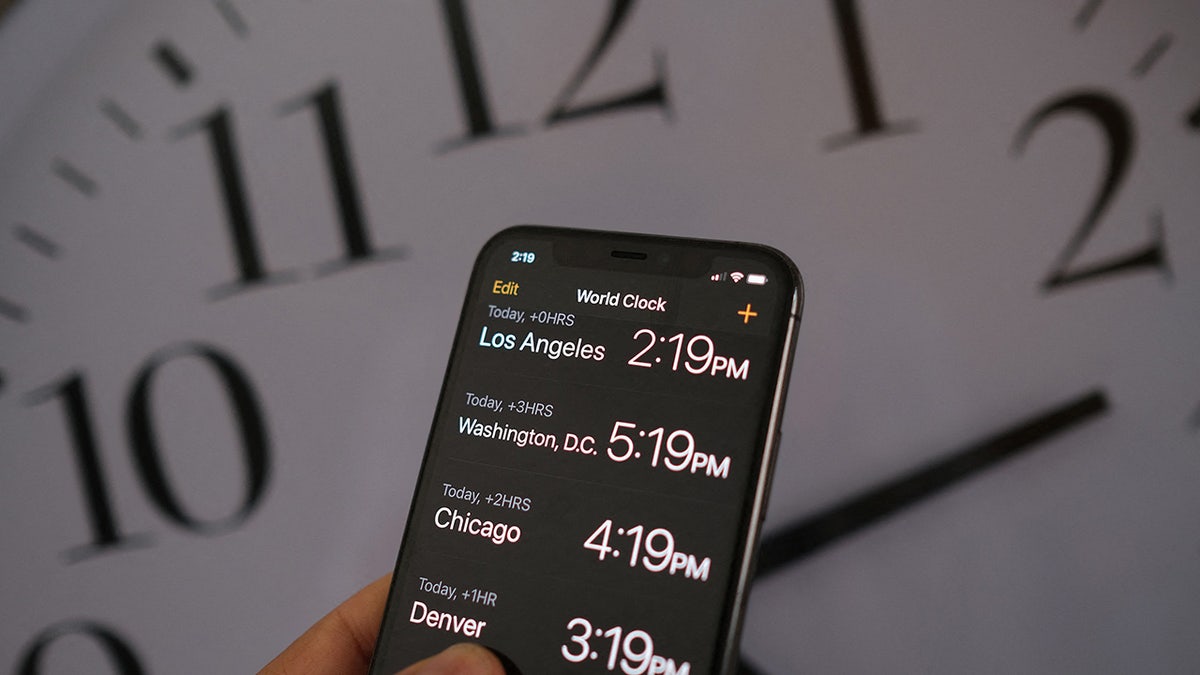
Buchanan and Sen. Rick Scott, R-Fla., have reintroduced legislation that would end the clock-setting ritual once and for all. (Chris Delmas/Getty Images)
This support may also change depending on the region.
Rep. Erin Houchin, R-Ind., said her district, a rural area with a heavy agricultural component, overwhelmingly supports the idea.
“In a recent survey of Ninth District voters, more than 90 percent said they would like to end the semi-annual time changes. Maintaining a consistent schedule would improve public safety, enhance economic stability and give farmers more daylight to complete their work,” Houchin said.
SUMMER SCHEDULE: IT’S ALL ABOUT THE SUNLIGHT
Other Republicans say that while they support the idea, it is not one of their top priorities. That’s the view of Rep. Eric Burlison, R-Mo.
“It’s an issue that I have a position on, I know how I would vote. But I’m really focused on insurance policy, health care reform, anything related to deregulation – that kind of thing,” Burlison told voters in comments made to local radio.
Consideration of a DST bill, like all other congressional priorities, is delayed by the current government shutdown that has stalled legislative considerations for more than a month.
CLICK HERE TO GET THE FOX NEWS APP
The Senate rejected GOP spending legislation for the 14th time on Tuesday.


