New antivenom works against 17 dangerous African snake species, study suggests


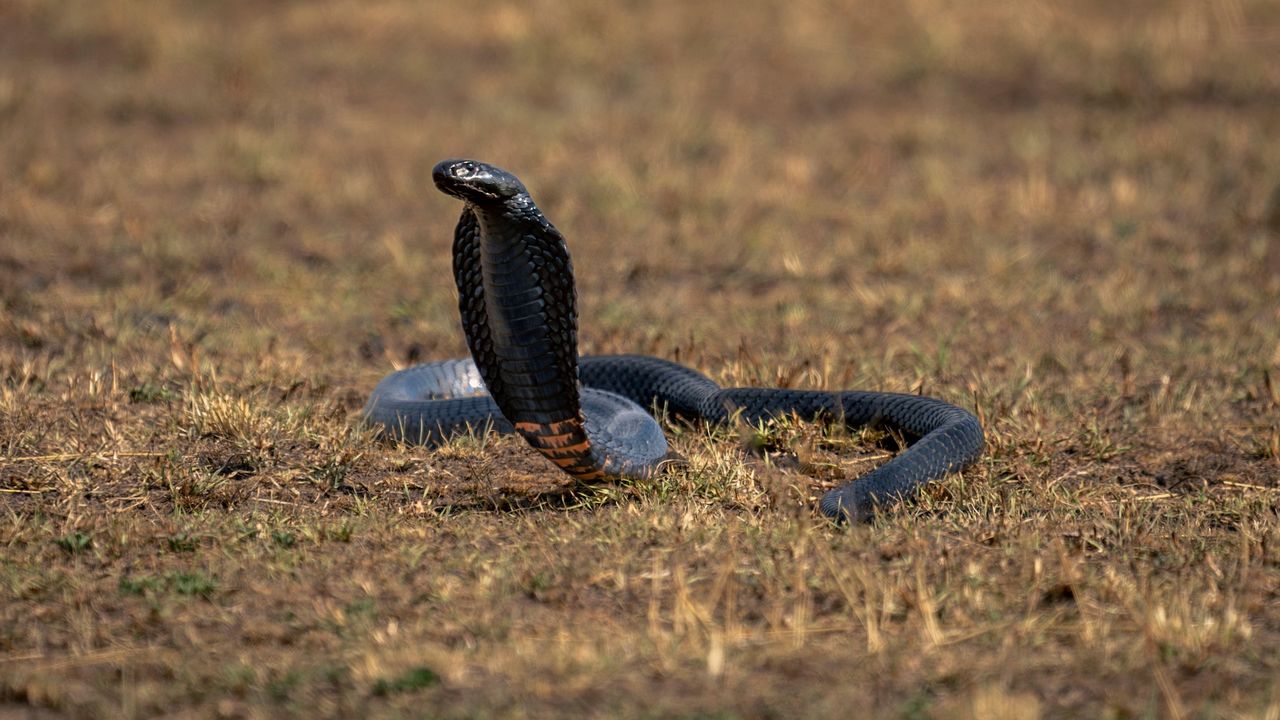
More than 300,000 cases of snake bites occur every year in Africaresulting in at least 7,000 deaths, as well as numerous amputations and injuries. Now, scientists have invented a new nanobody-based antivenom that shows promise against 17 dangerous species of African snakes.
Until now, the mainstays of treatment have been antivenoms created by exposing horses to particular venoms and then isolating the protective antibodies from the animals’ blood. These traditional antivenoms can sometimes cause allergic reactions in patients and are only effective against one or a few related species of snakes.
Juan Calvetedirector of the Evolutionary and Translational Venomics Laboratory at the Valencia Institute of Biomedicine, who was not involved in the study, said the new nanobody-based antivenom constitutes “a remarkable advance in the development of synthetic antivenoms.” However, he noted that in its current form, the antivenom could be expensive to manufacture and therefore difficult to use in poorer regions.
To create the new antivenom, researchers exposed an alpaca and a llama to the venoms of 18 African snakes, including cobras, mambas and rinkhals. The venoms of these snakes are powerful and can cause serious problems, such as paralysis and tissue damage, and they also contain a wide range of toxins.
The llama and alpaca exposed to the venoms produced tiny special antibodies, called nanobodies. The compact size of these nanobodies allows them to diffuse rapidly through tissues and bind toxins to hard-to-reach sites in the body, the study authors noted.
The researchers collected the animals’ blood and used a technique to find nanobodies that adhere well to various toxins in the venom. The nanobodies that latched on most effectively were then made in the laboratory and tested for their ability to block the effects of the venoms. Ultimately, eight of these artificial nanobodies were combined into a potent mixture to create the new antivenom.
In laboratory tests on mice, this nanobody serum prevented the death of 17 of 18 target snake venoms; the venom of the Eastern green mamba (Dendroaspis angusticeps) was the only one not to be completely neutralized. Further analysis suggested that the antivenom neutralized seven families of toxins found in venoms and reduced tissue damage caused by venoms known to kill cells.
The antivenom outperformed a commonly used antivenom designed to target multiple toxins: Mice given the nanobody mixture survived multiple venoms with fewer symptoms than mice treated with the traditional horse antibody serum.
“The main advance of our work shows that effective recombinant antivenom can be made with a surprisingly small number of nanobodies that outperform existing ones,” said the study’s lead author. Andreas Hougaard Laustsen-Kielbiotechnologist at the Technical University of Denmark, told Live Science in an email. The new antivenom was more effective in preventing both lethal effects and tissue damage, and it could theoretically be “produced on a large scale in bioreactors, independent of snakes and horses”, he said.
The next steps are to test the effects of the antivenom on larger animals to estimate the dose a human might need and optimize the process to increase production. “We are also testing some of these nanobodies, as well as new ones, against Asian cobra venoms to develop cocktails with broader species coverage and geographic relevance,” Laustsen-Kiel said.
The idea of a broad-spectrum – or even “universal” – antivenom serum has recently gained ground. A notable 2025 study published in the journal Cell used human antibodies from a snakebite survivor to protect mice from several cobra and mamba venoms. Yet practical and economic obstacles remain develop such an antivenom and manufacture it in an affordable and scalable manner.
Calvete called the new nanobody venom a significant advance, but he cautioned that dosing requirements in humans could complicate things. “A therapeutic dose to treat envenomations of all target snakes could require up to 50 grams of nanobodies,” he suggested. (That said, testing to officially determine the dosage in humans has not yet been done.)
He added that improving antivenom pharmacokinetics – that is, how the treatment interacts with the human body – would likely increase production costs beyond what was observed in this proof-of-concept study. “The most powerful of all omics – the economy – could once again represent an insurmountable obstacle in the fight against the most neglected of tropical diseases,” he concluded.
In theory, the new nanobody mixture could represent a promising step toward safer and scalable snakebite therapies, but further testing, manufacturing optimization and regulatory validation will be crucial to introducing it to human patients.
This article is for informational purposes only and is not intended to offer medical advice.


