Moss can be a key witness in murder investigations


Moss is one of the oldest and most fundamental plants in the world. Part of the bryophyte family, the 12,000 known species of mosses have evolved over millions of years to thrive without seeds, leaves, stems or even roots. This allows hardy plants to absorb all their water and nutrients from the environment around them. Many more complex plants wither and die in shady or oversaturated soil, but not in moss. It thrives in these less hospitable soils and, thanks to their tenacity, the greens could serve as valuable “witnesses” at crime scenes.
Botanist Matt von Konrat of the Field Museum in Chicago believes that the tenacity of bryophytes can make them valuable witnesses at the scene of a crime. But according to the conclusions of his team published in the journal Forensic science researchthe detectives overlook the factory’s potential tools.
“I thought: why not consider writing a study on how bryophytes have been used in forensic medicine? So we reviewed 150 years of scientific literature to see how these plants have been used in investigations,” von Konrat said in a statement. “Well, it turns out the answer was, ‘Not so much.'”
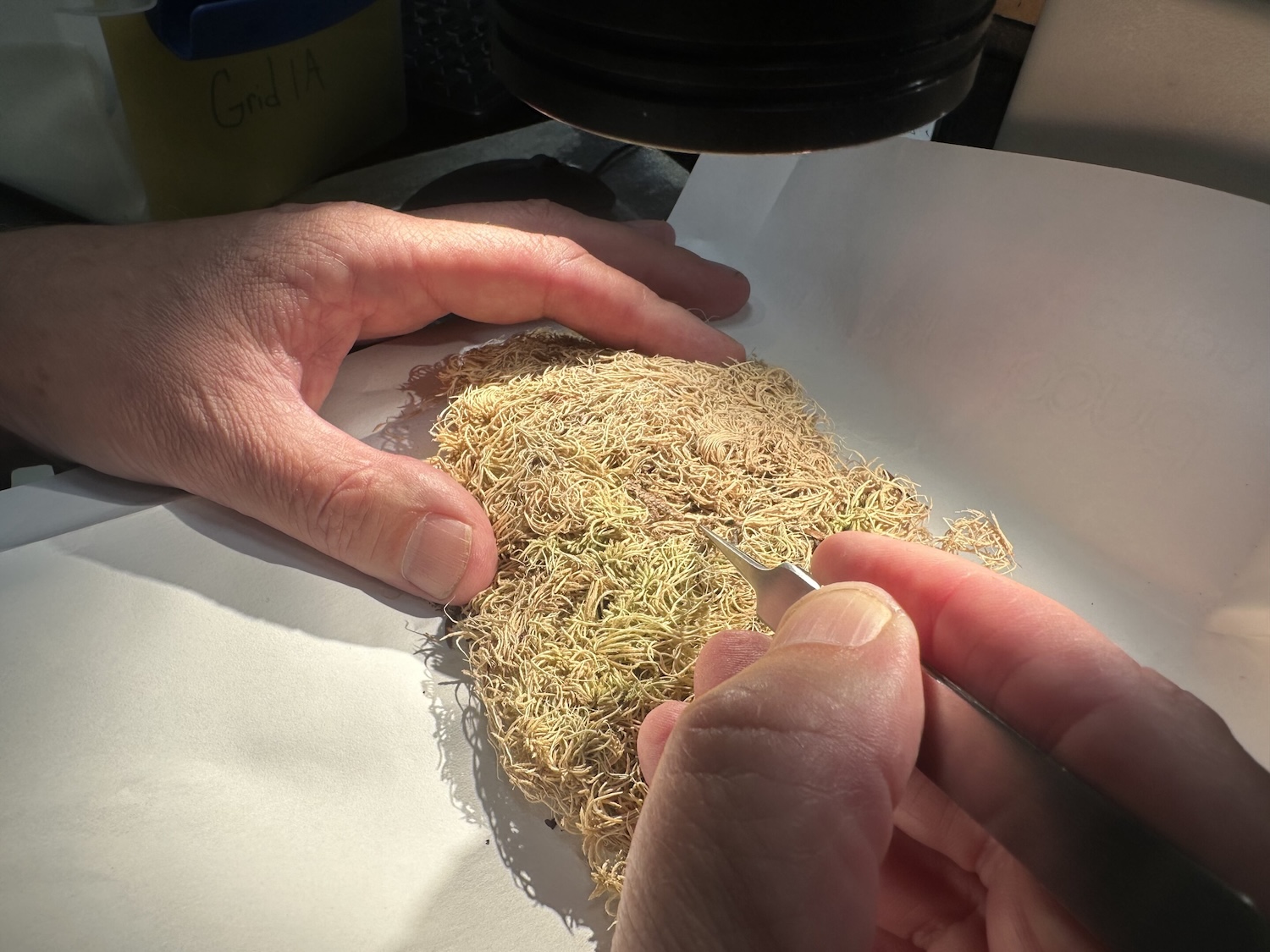
Over a century and a half of scientific literature, the study authors identified only 11 confirmed cases of foam samples helping to explain unsolved deaths. The first case dates back to 1929, when growth rates of moss on a decomposing skeleton allowed Australian investigators to determine the age of the body. The most recent confirmed example occurred in 2015, when experts used bryophyte specimens to help reconstruct the scene surrounding an individual who died by suicide.
“Because they are so small, they have all kinds of microhabitats – even if an area as a whole seems to be one kind of habitat, they can find a place that suits them in the shade, or in the canopy, or even under the grasses,” explained von Konrat, adding that further clues can be gleaned from the even smaller organisms often living on the mosses themselves. “This means that foams can be a valuable tool for forensic scientists seeking to confirm details of where a crime took place.”
Von Konrat cited a particular case as an example. After confessing to killing his daughter in 2011, a father directed law enforcement to a vague area in northern Michigan to locate the body. After analyzing the microscopic plant remains collected from the father’s shoes, von Konrat organized a team of botanists and research volunteers to help find the girl’s remains.
“There are hundreds of species of moss and dozens of species of grasses and trees living in this region,” von Konrat said. “But thanks to the moss pieces, we knew what type of microhabitat we were looking for.”
Investigators ultimately narrowed the body’s likely location from seven counties to only about 50 square feet of search area. After showing the place to the father, he confirmed that it was the burial place of his daughter.
With the first scientific study of its kind now published, von Konrat hopes more forensic scientists and law enforcement officials will add bryophytes to their list of potentially revealing sources of evidence.
“Plants, and particularly bryophytes, represent an overlooked but powerful source of forensic evidence that can help investigators connect people, places and events,” he said.

Holiday Gift Guide 2025


