What’s next for airlines and flight schedules now that the government is reopened


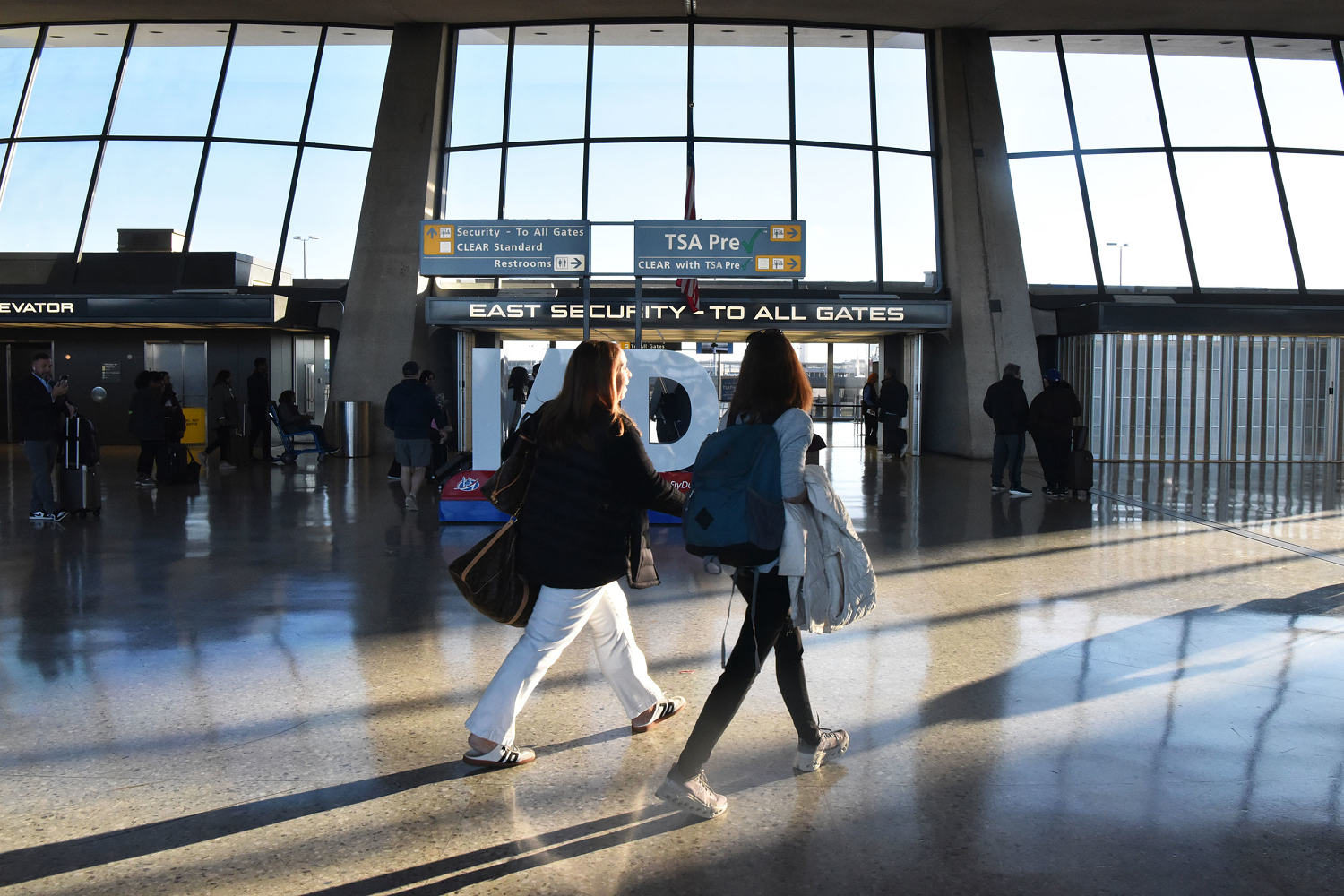
President Donald Trump signed a bill Wednesday evening that reopened the government after 43 days, paving the way for airlines to restore regular flight schedules and for air traffic controllers, who did not receive pay while working during the shutdown, to return to work.
But it remains unclear when full flight schedules and paychecks will be restored after the Federal Aviation Administration was forced to impose flight restrictions at 40 high-traffic airports last week. On Wednesday evening, the FAA ordered that cancellations would remain at 6% on Thursday, after two days at that rate and an initial plan to reach 10% by Friday.
As of Thursday morning, nearly 1,000 flights in the United States had already been canceled for the day and more than 900 had been delayed, according to flight tracking site FlightAware. On Wednesday, only 900 flights were canceled – the lowest number since the FAA flight reductions began.
It was not immediately clear whether the flight disruptions were all related to staffing issues.
Airlines have said they are ready to step up their efforts as soon as they receive government clearance, which includes the FAA lifting the mandate on flight restrictions. And as soon as enough air traffic controllers return to work, they will ensure that the growing number of planes can fly safely.
“As the federal government reopens and controllers receive their back pay, the FAA will continue to monitor staffing levels and examine key trends,” Transportation Secretary Sean Duffy said in a statement Wednesday.
In a statement, American Airlines said it was prepared to return to the regularly scheduled schedule as soon as the FAA gives the green light, but acknowledged that it may take a few days for controller operations to return to normal levels before the schedule can be reinstated.
It’s promising that staffing triggers have diminished in recent days, after weeks of controllers shouting “stressed” under the pressure of work without knowing when their next paycheck would arrive.
Government officials have said air traffic controllers are expected to receive about 70% of their missed pay within 48 hours of the government reopening, with the remaining 30% arriving within the week.
Airlines can’t cancel then cancel flights, so they need every piece of the puzzle to fall into place before the schedule returns to normal.
Delta CEO Ed Bastian said on CNBC on Wednesday that he believed flights would return to normal by the weekend. Southwest said in its statement: “We are optimistic that the FAA will allow airlines to resume normal operations within days. »
Fortunately, fears of a particularly complicated Thanksgiving travel week — during which 31 million Americans are expected to fly — have been thwarted, as airlines are prepared to move faster than previously thought.
Even when flights are operating at 100% again, the problem of understaffing at air traffic control sites nationwide remains.
The industry still needs more than 3,000 air traffic controllers to fill the staffing gap and ensure employees — many of whom were already working six days a week before the government shutdown — can return to business as usual.
“When the government is funded again, nothing will change at BNA,” said Garld Graves, a retired air traffic controller with 28 years of experience, referring to Nashville International Airport.
“What the agency did because of the shutdown — cutting flights, approving hiring triggers — is something that should have happened all along in places that are understaffed,” he told NBC News.
He said he hopes the FAA and Duffy “continue to argue and flail and fight, as they promised during the shutdown, to create better opportunities to improve staffing levels and give controllers what they deserve.”
Airlines for America, the trade association representing major U.S. airlines, echoed Graves’ wishes and called on Congress to “ensure that future funding bills do not allow aviation to become collateral damage in Washington’s policy debates.”
“The FAA’s Airport and Airways Trust Fund currently has $5 billion that could be used to pay air traffic controllers during future shutdowns,” the organization said in a statement. “We are asking Congress to consider legislation that would implement a long-term solution.”


