Are Turkeys at Risk of Bird Flu This Thanksgiving?


November 13, 2025
3 min reading
Are turkeys at risk of bird flu this Thanksgiving?
Nearly two million American turkeys have died from bird flu in recent months. Agricultural economist explains what ongoing outbreaks could mean for Thanksgiving meals
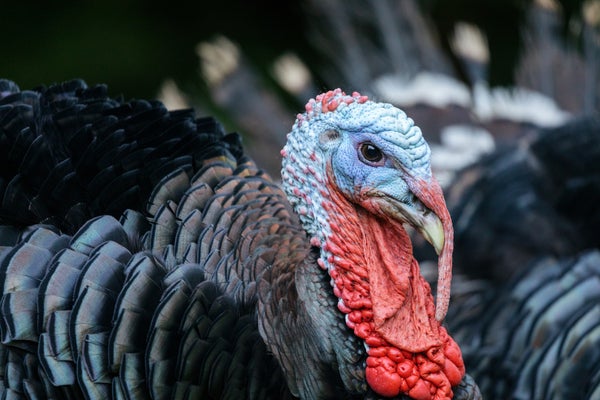
Avian flu wiped out dozens of poultry flocks in the United States this fall, and it hit turkeys especially hard. Nearly two million turkeys nationwide have been reported dead or slaughtered due to bird flu since the beginning of September. With Thanksgiving just two weeks away, will bird flu threaten foodies during the holiday season this year?
After an expected summer lull in bird flu infections, the virus has regained its footing. Such infections and culling efforts have killed more than eight million birds in U.S. poultry flocks since September, and a quarter of them were turkeys. Last year, the country produced a total of 200 million turkeys, according to the U.S. Department of Agriculture. With bird flu destroying only 1 percent of the nation’s annual turkey harvest in recent months, people may be concerned about how the pathogen could affect Thanksgiving plans and prices. It seems unlikely that turkey prices will rise, but the virus could still affect food supplies this holiday season, says Jada Thompson, an agricultural economist at the University of Arkansas.
Economic incentives that cushion supply and prices for consumers are among the reasons costs are unlikely to rise dramatically. The turkey industry is well aware of the importance of the main dish to commercial success. For example, companies often donate a portion of their turkey supply, but they may reduce those donations to focus on sales if necessary. “It’s the Super Bowl of turkey,” Thompson says. “There are a lot of priorities to try to maintain continuity of turkeys for the Thanksgiving meal.”
On supporting science journalism
If you enjoy this article, please consider supporting our award-winning journalism by subscription. By purchasing a subscription, you are helping to ensure the future of impactful stories about the discoveries and ideas shaping our world today.
Many stores offer deep discounts on turkeys as a tactic to attract buyers, thinking that people are likely to buy everything they need for the meal in one go. This strategy means retailers can keep turkey prices low even if limited supply drives them up, she says.
But bird flu continues to wreak havoc on farmers. With the current outbreak of avian flu in poultry first detected in early 2022, the industry has struggled to manage this devastating disease. Avian flu is so deadly to poultry that farmers who detect infections in a flock must cull the entire flock to slow the spread of the virus and reduce the birds’ suffering.
Turkeys and laying hens are particularly vulnerable to the virus compared to “broiler” chickens raised for meat, Thompson says. Minnesota, the leader in U.S. turkey production, has seen particularly high levels of avian flu infections this fall. Twenty commercial poultry flocks, mostly turkey flocks, have been affected since September.
Thompson says, however, that there isn’t enough information about these infections to determine whether they are specifically part of the Thanksgiving turkey supply. In the United States, turkeys are raised in several different size ranges, she says. Smaller birds are sold whole for Thanksgiving, while larger birds are used for other turkey products, for example. But USDA data on affected flocks does not specify the size of the turkeys lost.
Timing is another factor. Thanksgiving turkeys are harvested as early as July and this continues through September. In that time frame, holiday turkeys were likely already frozen before bird flu began spreading again this fall.
The bottom line, Thompson says, is that she doesn’t expect Thanksgiving turkey prices to skyrocket. But bird flu could still put pressure on other parts of our food system this holiday season.
Demand for eggs increases throughout the fall and winter, peaking between Thanksgiving and New Years and another increase around Easter. And unlike turkeys, eggs can’t be harvested and frozen months in advance. It’s too early to tell whether the destabilization of bird flu will cause egg prices to rise in the coming months, as happened a year ago, but the possibility worries Thompson.
One thing East This is becoming clear in the poultry industry: the toll of seasonal peaks in avian flu infections is mounting. “It’s not just about today’s impact: how many birds got sick,” Thompson says. “It’s also about what this supply chain will look like in the future. »
It’s time to defend science
If you enjoyed this article, I would like to ask for your support. Scientific American has been defending science and industry for 180 years, and we are currently experiencing perhaps the most critical moment in these two centuries of history.
I was a Scientific American subscriber since the age of 12, and it helped shape the way I see the world. SciAm always educates and delights me, and inspires a sense of respect for our vast and beautiful universe. I hope this is the case for you too.
If you subscribe to Scientific Americanyou help ensure our coverage centers on meaningful research and discoveries; that we have the resources to account for decisions that threaten laboratories across the United States; and that we support budding and working scientists at a time when the value of science itself too often goes unrecognized.
In exchange, you receive essential information, captivating podcasts, brilliant infographics, newsletters not to be missed, unmissable videos, stimulating games and the best writings and reports from the scientific world. You can even offer a subscription to someone.
There has never been a more important time for us to stand up and show why science matters. I hope you will support us in this mission.


