First death reported from meat allergy caused by tick bite


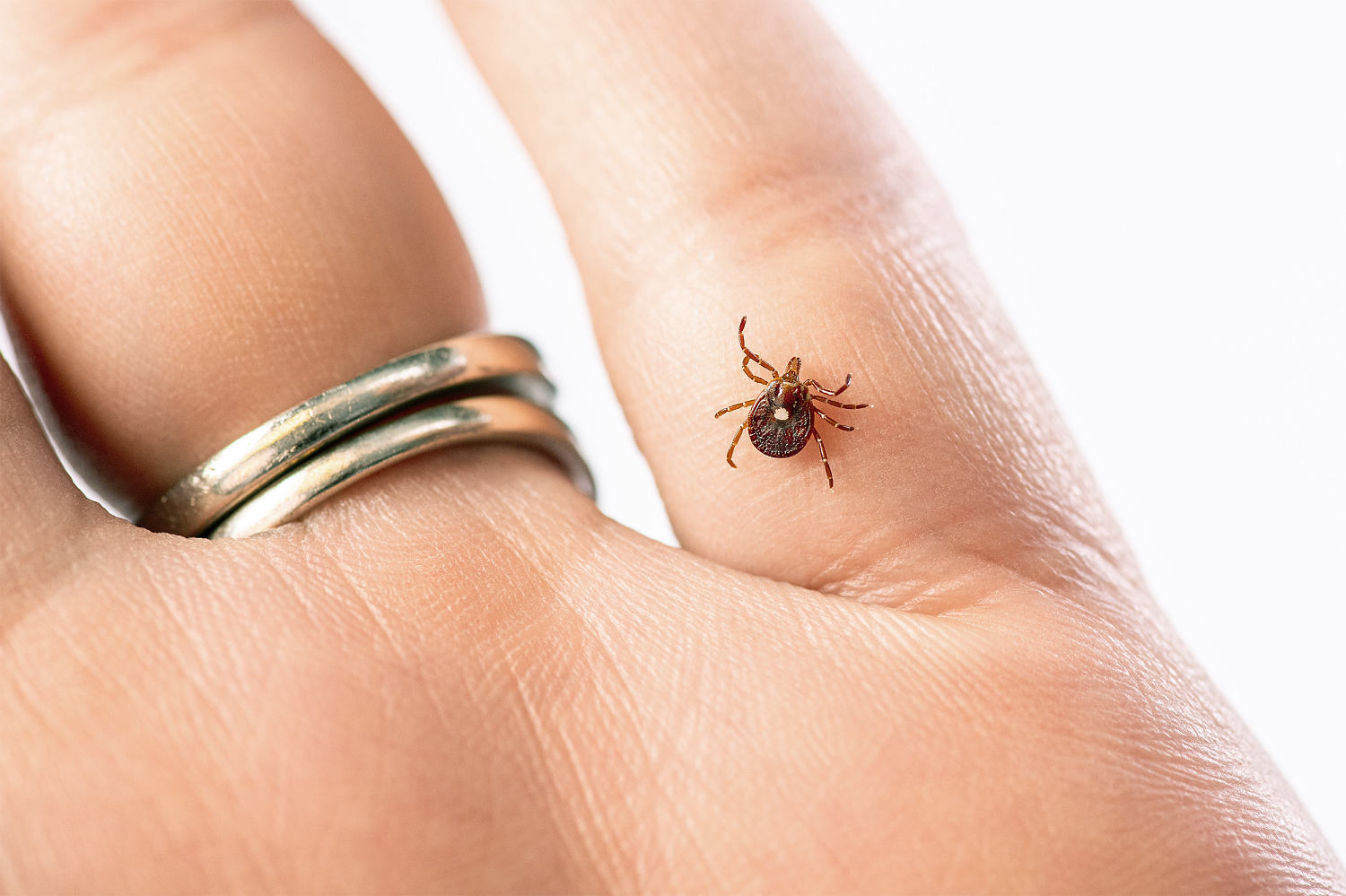
A 47-year-old airline pilot from New Jersey is the first person known to have died from alpha-gal syndrome, a red meat allergy caused by a tick bite.
Researchers at the University of Virginia School of Medicine publicly announced the cause of death Wednesday. after months of investigation. Their findings were published in the Journal of Allergy and Clinical Immunology: In Practice.
The man’s death was previously considered a mystery because medical tests showed no evidence of a heart attack or other life-threatening problems.
According to the researchers, the man started feeling unwell four hours after consuming a hamburger at a barbecue in September 2024. When he returned home, he felt well enough to mow the lawn and read the newspaper. But shortly after 7:30 p.m. that day, the man’s son found him unconscious on the bathroom floor, with vomit around him. The autopsy concluded that his death was sudden and unexplained.
Two weeks earlier, the man had fallen ill after eating a steak while on a camping trip with his wife and children. Researchers said he woke up at 2 a.m. with severe diarrhea, vomiting and stomach pain, and later told one of his sons he thought he was going to die. However, he and his wife were unsure of what had happened and so decided not to seek medical attention.
“The tragedy is that they did not consider this episode to be anaphylaxis and therefore did not link it to beef at the time,” said Dr. Thomas Platts-Mills, an allergist at the University of Virginia School of Medicine who discovered alpha-gal syndrome and diagnosed the New Jersey man’s case.
Platts-Mills said she first learned of the man’s death in February from Dr. Erin McFeely, a New Jersey-based pediatrician and co-author of the new paper. McFeely and the New Jersey pilot had daughters in the same ballet class, he said.
“Erin McFeely and his wife discussed what happened,” Platts-Mills said. “The two of them, while talking, put it all together and said, ‘Could it be this red meat thing?’ » »
Once connected with the man’s wife, Platts-Mills arranged for blood tests. A blood sample taken in April revealed that the man had had an allergic reaction, which was not revealed at autopsy.
“The level that it had is basically only seen in fatal cases of anaphylaxis,” Platts-Mills said. “His level was 2,000. The highest level I have seen in the practice of a person who survived is 100.”
Blood tests also revealed antibodies against a sugar called alpha-gal, a telltale sign of a tick-borne meat allergy. Alpha-gal is found in the blood of cows, deer, goats and pigs. When ticks feed on these mammals, the sugar enters their saliva and can be transmitted to humans through bites.
People who are bitten can develop alpha-gal syndrome, a sensitivity to alpha-gal that causes allergic reactions when they eat red meat. Symptoms include nausea, stomach cramps, diarrhea, hives, or difficulty breathing. Most cases in the United States are linked to a particular species of tick – the lone star tick – found in the Northeast, South and Midwest.
Dr. Scott Commins, an allergy immunology specialist in the department of medicine at the University of North Carolina at Chapel Hill, said the main risk factors for serious reactions are exercise and alcohol, which can increase the absorption of food allergens. The New Jersey pilot exercised and drank a beer the day he died, researchers say.
“Deaths from food allergies are very rare and usually occur in people with underlying asthma or another type of medical problem, so it takes a perfect storm,” Commins said.
The timing of a tick bite can also matter: Commins said a recent bite could make alpha-gal allergies worse. The pilot’s wife told researchers that he was bitten by chiggers (tiny mite larvae) around his ankles last summer. However, researchers now suspect that the bites instead came from lone star tick larvae.
In the article, the researchers wrote that alpha-gal syndrome has become a growing threat as the lone star tick and its primary host – the white-tailed deer – have migrated to new locations.
“A large and growing population in the United States is exposed to the Lone Star tick, both because the tick is moving north and because there are now large populations of deer in many states,” they wrote.
Warmer winters due to climate change may be responsible for these migration patterns, leading to exposures in places where ticks were previously rare, such as Washington and Maine. The number of suspected cases of alpha-gal syndrome has increased significantly in the United States since 2010, according to a 2023 report from the Centers for Disease Control and Prevention.
“Unfortunately, more and more people are at risk these days,” Commins said.
The allergy can affect anyone with an outdoor lifestyle where exposure to ticks is likely, including children, Commins said. But people who have been bitten by a tick don’t necessarily need to be tested for anti-alpha-gal antibodies unless they have symptoms, he said.
“When someone has a tick bite, we just ask them to watch out for stomach upset, itching or hives that can occur three to six hours after eating red meat or maybe high-fat dairy products like ice cream or milkshakes,” Commins said.
One of the challenges with diagnosis, he said, is that many doctors are unfamiliar with the disease. In another 2023 report from the CDC, 42% of doctors surveyed said they had never heard of alpha-gal syndrome. And 35% said they were not confident in their ability to detect or treat the disease.
Even if a person develops alpha-gal syndrome, the allergy is not necessarily permanent, Commins said.
“It is possible, by avoiding tick bites, that after three to four, even five years, this will disappear,” he said.


