Kodi’s predecessor returns to modernize the original Xbox


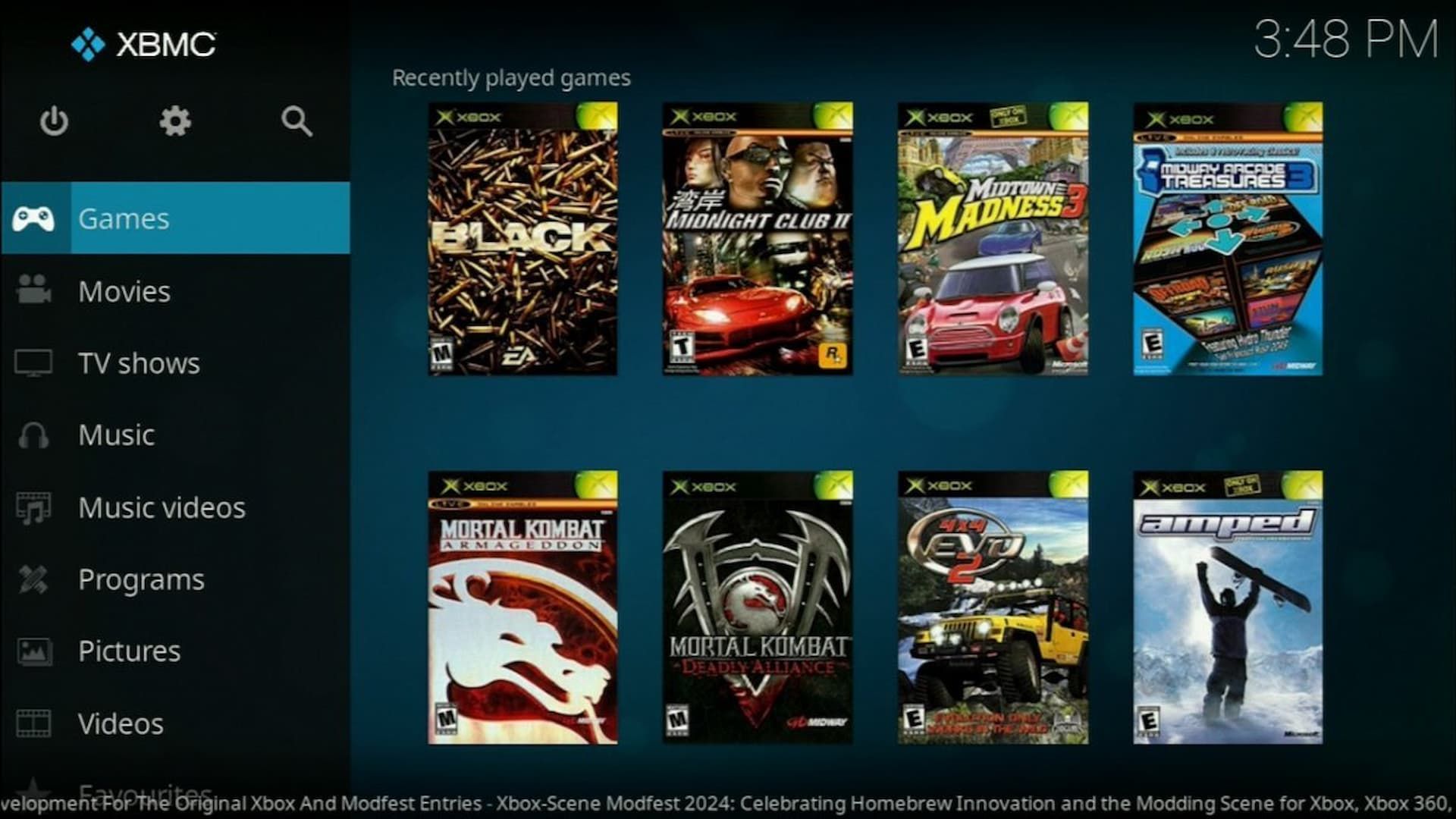
XBMC had its first major update since 2016 and was officially released for the original Xbox. This 4.0 update brings modern Kodi features and the Estuary interface to the classic console from 2001, meaning development has restarted on hardware more than two decades old.
If you’ve been a tech fan for a while, you’ll remember how important the original Xbox was to the home media scene. Its architecture was so close to a typical PC of the time that the console proved incredibly hackable.
One of the oldest and most successful homebrew projects was Xbox Media Center, or XBMC. This software eventually became so powerful that it completely overtook Xbox, leading to its evolution into Kodi in 2014. Even Plex traces its roots to an early Mac port of XBMC. I would argue that the legacy of this project alone makes its rebirth fascinating, as the original Xbox truly helped shape the way we consume streaming media today.
The most notable improvement in XBMC 4.0 is the introduction of the Estuary user interface. If you’ve used Kodi at any time since 2017, you’ll immediately recognize Estuary. It offers a clean, modern layout that makes navigation much faster and easier to read compared to the old skins that the Xbox version was stuck with.
However, bringing this modern skin to classic hardware wasn’t easy. The developers had to update the underlying GUIlib engine, which is the framework that manages the visuals. This means that backporting other modern skins in the future should be a much simpler process. Turning on a console from the early 2000s and seeing an interface identical to the one you’d download onto your PC today seems like total magic.
However, the new version does much more than just look pretty. It restores full functionality of online metadata scrapers for movies and TV shows. This allows you to create media libraries complete with box covers, plot summaries, and cast lists scraped directly from the Internet. The console remains surprisingly capable for its age, still supporting video playback at up to 720p resolution.
For music lovers, the focus remains on high-quality audio output, with support for lossless codecs like FLAC and compatibility with visually immersive audio visualizers, including the classic MilkDrop. The game library system has also been improved. This update lets you browse your game collections with full artwork and descriptions, turning the simple list into a neat and organized library.
If you enjoy modding the console, long-standing support for trainers remains, giving you the ability to apply gameplay modifications to titles directly from the media center interface. Since the original Xbox runs on a 733MHz single-threaded processor, performance is still a tightrope. However, developers have implemented improvements in task scheduling and multitasking in XBMC 4.0. This is a big deal because it allows activities like background library updates and metadata retrieval to run concurrently while you navigate the interface.
You’ll also get an even smoother experience if you upgrade your consoles with additional RAM, CPU upgrades, or modern SSDs, as XBMC 4.0 is designed to take advantage of that extra power. This new update is a powerful rebirth of a platform that many thought was finished back in 2016. If you still have your original hacked Xbox tucked away, you can grab the nightly builds and source code right now from the project’s GitHub repository and start reliving the early days of home media.
Source: Xbox Stage via Hackaday