Shoppers plan to cut Black Friday spending this year: Survey


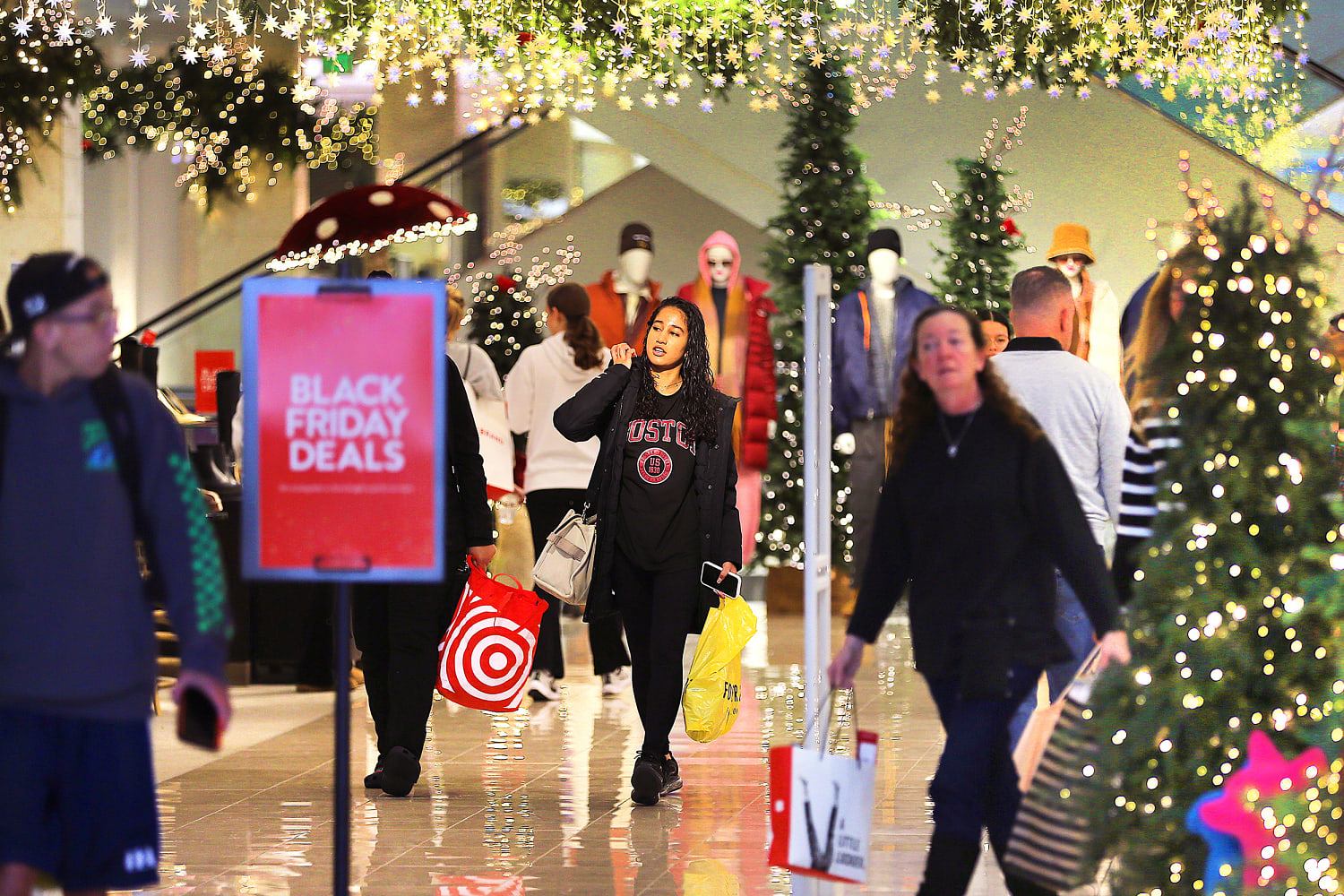
As the holiday shopping season begins to kick into high gear, Americans are balancing Black Friday deals with lingering concerns about their own finances.
Consumers are looking to spend less this holiday season, according to new data from Deloitte. Shoppers surveyed said they planned to spend 4% less than last year between Black Friday and Cyber Monday, citing a higher cost of living and greater fear about the economy.
It’s a reversal. Previous Deloitte surveys dating back to 2021 showed that shoppers planned to spend more than in previous years during the post-Thanksgiving weekend.
The decline is expected to affect both ends of the income spectrum. Consumers earning less than $50,000 a year are expected to spend 12% less than last year, according to the business services company. Buyers earning more than $200,000 a year say they will cut their spending by 18%.
“While we expect shoppers to consider reducing spending, we also anticipate strong participation throughout the holiday week,” Natalie Martini, Deloitte vice president and U.S. retail and consumer products leader, said in a press release.
The company surveyed 1,200 consumers in the United States between October 15 and 23.
Shoppers are heading to malls and retail websites at a precarious time, with Americans feeling increasingly worried about both the economy as a whole and their personal finances. Consumer confidence reached one of the lowest levels on record in November, according to the University of Michigan Consumer Confidence Survey released Friday. That’s just a bit above the June 2022 low, when inflation was soaring.
Voters cited affordability as a top concern in the November election, fueling Democratic victories in Virginia, New Jersey and New York. President Donald Trump has tried to address rising food prices by removing many of the tariffs he imposed this year on food imports, including beef and coffee from Brazil.
The University of Michigan report found that consumers were particularly worried about their jobs and personal finances: 69% of respondents said they expected unemployment to increase over the next year, twice as many as a year ago.
“After the federal shutdown ended, sentiment improved slightly from its mid-month level,” wrote Joanne Hsu, director of consumer surveys at the school. “However, consumers remain frustrated with persistently high prices and falling incomes. »
The inflation rate, which slowed at the start of the year, has been rising since April, according to federal data, reaching an annual rate of 3% in September. This is hurting Americans’ wallets, and many don’t expect relief anytime soon. Respondents to the University of Michigan Consumer Confidence Survey expect inflation to reach 4.5% by next year.
Retail earnings reports from recent weeks reveal worrying consumer trends. Walmart reported strong results last week as the discount retailer benefited as shoppers looked to save money on basic items like groceries and other essentials. The company said higher-income families shop at the store more in search of deals, while lower-income families experience greater financial hardship.
“As wallets have been strained, you’re seeing more of consumers’ money going toward necessities rather than discretionary items,” John David Rainey, Walmart’s chief financial officer, said during the company’s earnings conference call.
Discount fashion retailers like Gap and TJX Cos., which owns the TJ Maxx and Marshalls chains, also reported strong quarterly profits, another sign that shoppers are shopping down and looking for cheaper options. Target and Bath & Body Works, considered stores that encourage splurging, struggled in the previous quarter.
With their bank accounts already saturated, consumers are increasingly turning to financing to be able to pay for their purchases. A PayPal report released last month found that half of shoppers plan to use Buy Now, Pay Later services for their Christmas shopping. These services, which include apps like Klarna, Afterpay and Affirm, allow customers to make a purchase and then pay it off in installments, usually with 0% interest.
These apps are particularly popular with younger shoppers. According to Deloitte research, 39% of Gen Z and millennials will use Buy Now, Pay Later apps for their Black Friday spending. Many shoppers use these services to spread out their spending over a longer period of time, but some worry this could encourage people to spend more than they can afford and could land them in debt they didn’t expect.


