Hawaiʻi’s green fee is the latest climate effort challenged by Trump


Hawaii’s new green fee aimed at offsetting tourism’s impact on the environment has drawn the attention of the Trump administration, which has become increasingly hostile to efforts to combat climate change.
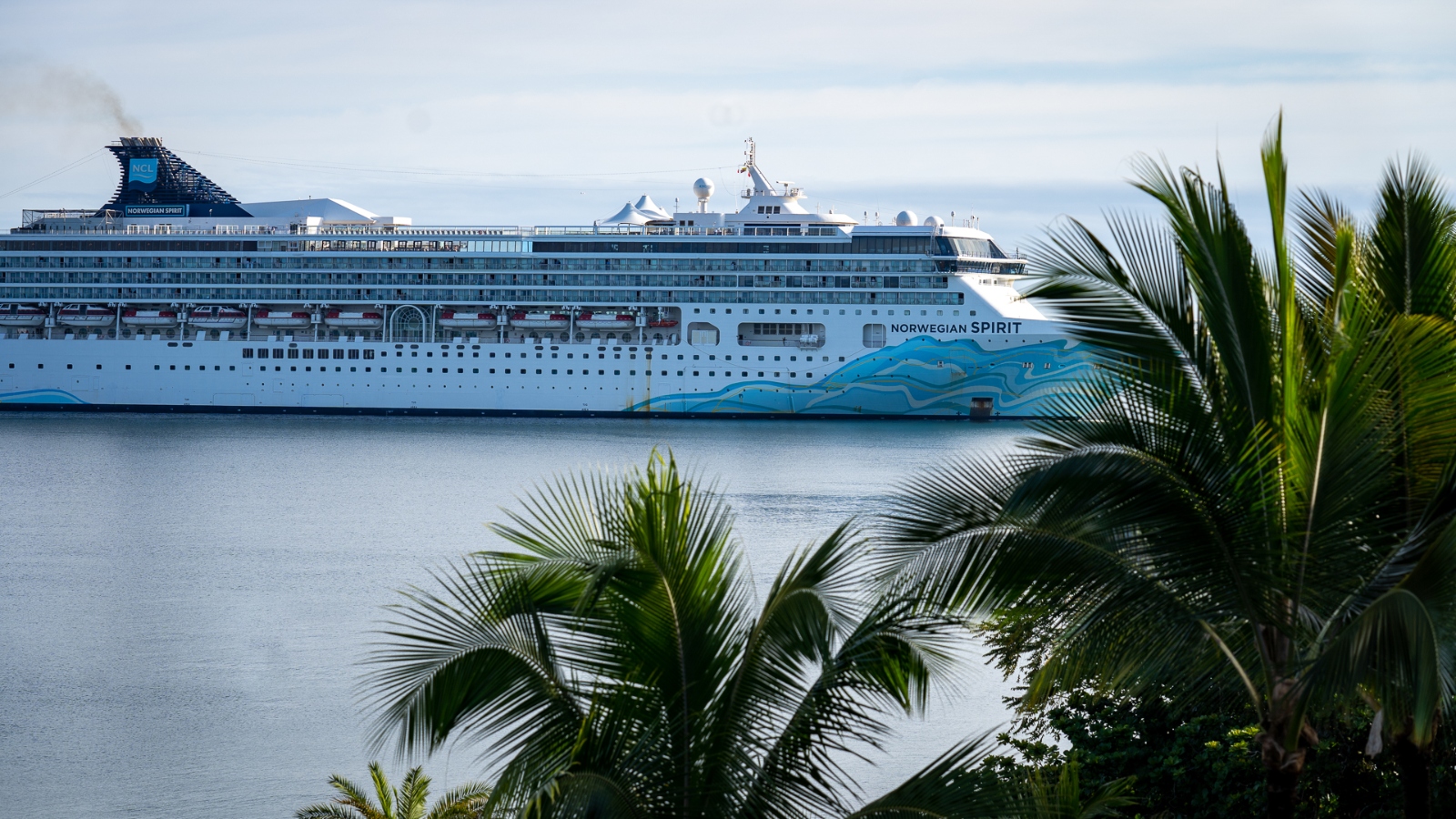
A motion from the U.S. Department of Justice to intervene in Cruise Lines International’s lawsuit against the state and county was filed earlier this month, just a day before federal Judge Jill Otake held the first court hearing in the case.
The tax was described as historic when it was passed by Parliament last April. Starting Jan. 1, it will apply to hotel guests and other short-term visitors, and in a concession intended to win support from the hospitality industry, it was expanded during the session to also include cruise ships.
In the motion, Assistant Attorney General Stanley Woodward calls the green fee, the first of its kind in the nation, “a plan to extort American citizens and businesses solely for the benefit of Hawaii.”
A court ruling could determine how sizable Hawaii’s green fee will actually be — and whether cruise ships that dock and unload passengers in the country’s only island state will be treated and taxed the same as hotel rooms and visitor rooms on land.
It is unclear what percentage the tourism industry represents of the estimated $100 million in annual green fee collections.
Ku’u Kauanoe / Honolulu Civil Beat
Richard Wallsgrove, co-director of the environmental law program at the William S. Richardson School of Law, called the DOJ’s request to join the case as an ideologically motivated overreach by an administration that has called climate change a hoax.
Many plaintiffs across the country routinely allege in court that the U.S. Constitution is being violated, Wallsgrove said, and the DOJ is not intervening.
“We must ask ourselves the question: why this trial and why now? he said. “It’s because of this idea that the federal government must protect American citizens from a climate change hoax, which you know could only be a bigger bowl of nonsense.”
The Trump administration also sued Hawaii earlier this year to try to prevent the state from holding fossil fuel companies accountable in court for the impacts of climate change.
U.S. Attorney General Pam Bondi heads the DOJ, and under her leadership that department has pursued the rollback of Trump’s climate initiatives in court. His brother, Bradley Bondi, is the lead attorney representing Cruise Lines International in the lawsuit against the state.
Typically, Wallsgrove said, such a family connection to an affair raises no ethical red flags. But, given all the norms that have been broken in the first year of President Donald Trump’s second term, he said, “it is not out of place at this particular moment in history” to question whether the DOJ is stepping in to carry out the orders of someone connected to the attorney general.
A request for 2 billion dollars
Starting next year, the transient lodging tax that visitors pay on their hotel nights and short-term rental stays will increase by 0.75 percent — to 14 percent, including county taxes — to cover the new fees. Cruise ship passengers must begin paying the full resort tax for the first time next year, which would amount to a new 14 percent tax on the time those passengers stay in Hawaii ports.
State officials estimate it will raise about $100 million a year to fund projects to combat climate change and environmental degradation in the islands.
During a webinar last week, Jeff Mikulina, chair of Gov. Josh Green’s Gaming Fee Advisory Council, downplayed the impact of the lawsuit. He said if the cruise industry won, it would only apply to cruise ship cabins and would “slightly” reduce the total proceeds from green fees collected.
Mikulina said the volunteer group was evaluating 620 projects that could benefit from the new fund, which together would cost about $2 billion. The council intends to give Green its recommendations for which projects to choose as soon as possible, he said, and then make those recommendations public before the next legislative session begins in January.
Competing interests
Jim McCarthy, a spokesman for Cruise Lines International, said in a statement Friday that the group “remains focused on ensuring clear and consistent laws that support Hawaiian communities, protect the environment and support responsible maritime travel.”
The cruise industry, he said, generates $1 billion in economic impact in Hawaii each year and “we are working to ensure that success continues on a legal and sustainable basis.”
The industry claims the state’s green fee violates the Constitution’s Tonnage Clause and the Rivers and Harbors Act, which limit states’ ability to charge ships to dock in their ports and navigate their waters.
Before the federal government sought to intervene, state Attorney General Anne Lopez’s office filed a motion to dismiss the case that Otake had not yet ruled on. The judge is also expected to approve the DOJ’s entry into the lawsuit.
In a statement Friday, Lopez’s office said he “vigorously defends the legality” of the green fee, but declined to comment further due to the ongoing litigation.
Waikīkī-area state Rep. Adrian Tam, who chairs the House Tourism Committee and helped add cruise ships to the tax base, said Friday he has full confidence Lopez can “protect Hawaii’s interests here.”
He added: “I just wish the DOJ would protect our interests as well. »
Civil Beat’s coverage of climate change and the environment is supported by the Healy Foundation, the Hawai’i Community Foundation’s Marisla Fund and the Frost Family Foundation.


