Republican Matt Van Epps holds deep-red House district in Tennessee special election


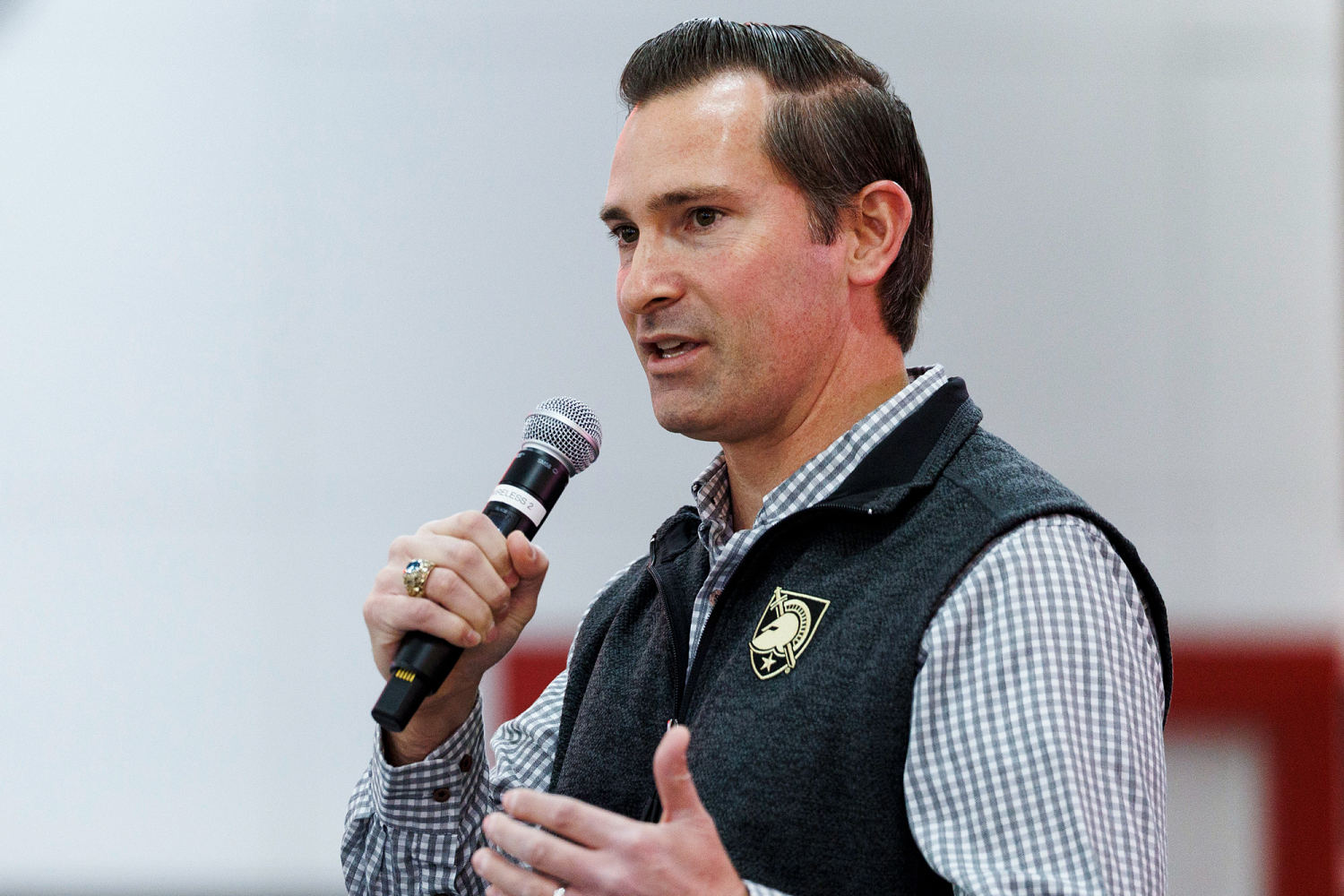
Republican Matt Van Epps won a hotly contested special election for a deep red congressional seat in Tennessee, NBC News projects, surmounting a Democratic challenge for the long-held GOP district.
Although President Donald Trump won the 7th Congressional District by 22 points in 2024, Republican super PACs invested millions to defend the seat as Van Epps faced Aftyn Behn, a Democratic state representative. Democrats have spent almost as much money trying to capture it as Trump’s political standing has taken a hit this year and the Democratic Party posted gains in November elections in New Jersey, Virginia and other states.
This red district nevertheless remains Republican. Van Epps, a military veteran and former state official, ran reliably on MAGA themes and promised to carry on the legacy of former GOP Rep. Mark Green, who resigned his seat earlier this year.
But Democrats have significantly reduced the Republican Party’s margin in the district compared to just a year ago. With about a sixth of the votes remaining, coming mostly from Republican-leaning areas, Van Epps had a 5-point lead district-wide.
While Behn had an advantage among people who voted early, Van Epps prevailed by increasing the score of votes cast on Election Day itself, suggesting that Republican efforts to increase turnout were successful.
National party figures flocked to the riding and the two candidates engaged in a fiery and expensive advertising war as both sides watched a low-turnout and tighter-than-usual race develop.
Former Vice President Kamala Harris and Democratic National Committee Chairman Ken Martin questioned Behn, who represents part of Nashville in the State House. Trump held telerallies for Van Epps and took to social media to urge Republican voters to participate, and House Speaker Mike Johnson joined the Republican candidate in the district on Monday.
Johnson and Van Epps seemed cautiously optimistic about their chances in an interview with Fox News at a rally in Franklin, Tennessee.
“A special election is a strange thing, anything can happen, so we don’t take voting for granted,” Johnson said, noting that turnout is “often muted” when elections are not held on the usual second Tuesday in November.
In an interview with NBC News in October, before the primary, Van Epps said he was campaigning on “security, opportunity and prosperity” and touted Green’s work with the Trump administration on border security, saying it “provides a good way to pick up the ball and run with it.” His campaign also focused on the cost of living, with ads criticizing career politicians for “reckless spending” and claiming costs are “out of control.”
Republican groups have spent more than $3.5 million on ads attacking Behn and trying to make Van Epps’ case, according to AdImpact. MAGA Inc., the main super PAC aligned with Trump’s political operation, has spent more than $1.7 million on independent expenditures since it entered the race in mid-November.
The super PACs supporting Van Epps worked to make Behn ineligible and convince GOP voters to support the Republican against her.
Super PACs supporting Van Epps and conservative media outlets used clips of Behn saying she was “a very radical person” and saying she “hates this city,” referring to Nashville. Trump sprang into action, attacking Behn on social media and urging Republicans to go to the polls.
Democrats fought back in television, radio and online ads, with the House Democrats’ main super PAC spending more than $800,000 and Behn’s campaign spending more than $1 million.
Behn and Democratic groups supporting his campaign attacked Van Epps in ads for saying he would not have voted for the bill to release records related to the investigation of Jeffrey Epstein, the late financier and convicted sex offender. Trump signed the bill on November 21 after a legislative about-face.
Van Epps, a colonel in the Tennessee National Guard, plans to keep his commission while in Congress. He told NBC News in October that he would serve wherever House Republicans needed him, but said he would like to join the House Armed Services Committee, given his military experience.