In Israel and the U.S., parallel cases of malice against Palestinians

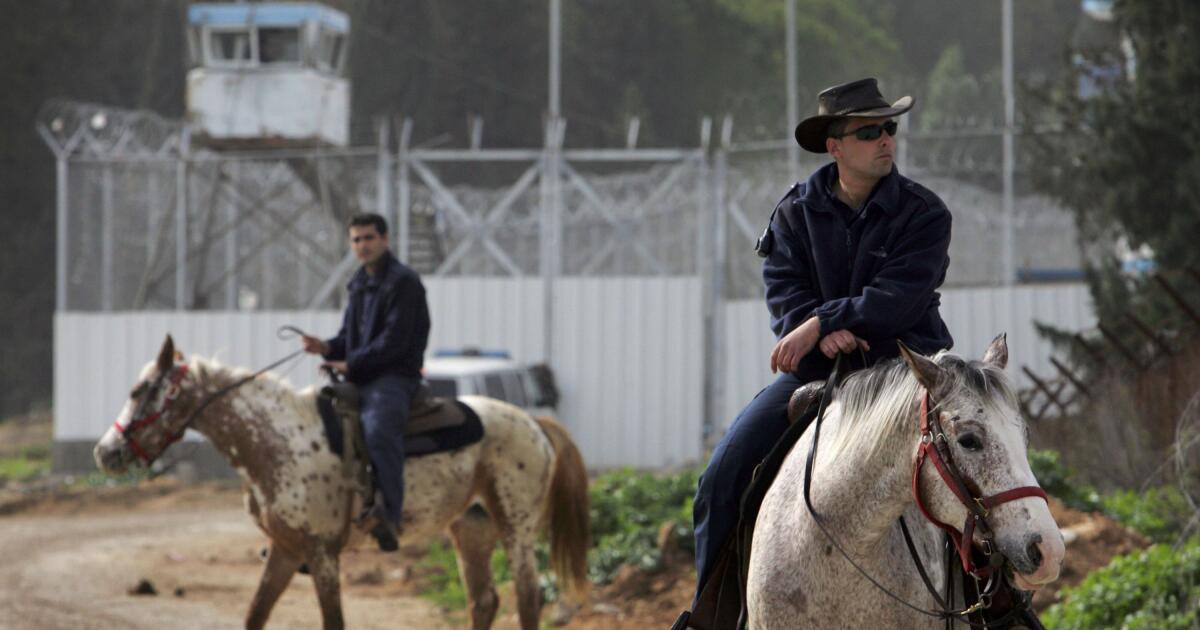
On Thursday, Mohammed Zaher Ibrahim, 16, was released from Israeli Ofer prison and reunited with his family. The young Palestinian American from Florida was 15 years old when Israeli soldiers kidnapped him from his home in the West Bank village of Al-Mazraa Ash-Sharquia on February 16.
His first stop after prison was the hospital. Before his release, his lawyer and U.S. Embassy officials sounded the alarm about his rapidly deteriorating health: Mohammed had lost a quarter of his weight, contracted scabies and had been beaten by prison guards. Released thin and pale from Israeli custody last week, the teenager hardly resembled the pictures who had been circulating to campaign for his release.
Despite Israeli efforts to intensify Mohammed’s detention – including in a statement directly from Prime Minister Benjamin Netanyahu desk » – the media storm unleashed by family members and their supporters finally won. Mohammed’s uncle credited the tenacious commitment of a grassroots movement that mobilized more than 100 organizations, Florida community members and members of Congress to fight for his nephew’s freedom. He also took care to draw attention to the “hundreds of children” who are still “unjustly trapped in an Israeli prison, subjected to Israeli abuse and torture.”
Since October 7, 2023, the Israeli Prison Service has transformed its facilities into a “network of torture camps“, according to an Israeli monitoring group. The deaths of Palestinians in prison have skyrocketedand prisoners released under ceasefire exchange deals testified to routine assaults, medical care neglectfood deprivation and grated. These testimonies were corroborated by prison guards and high-level Israeli officials. civil servants.
More than 300 Palestinian children prisoners, subjected to the world’s only military tribunal that systematically prosecutes minorsface these brutal conditions. Mohammed saw his cellmate, Walid Khalid Abdullah Ahmad, 17, collapse and die of malnutrition. Such cases show how the repercussions of the US-backed war against the Palestinians have extended far beyond the confines of the Gaza Strip.
For decades, the Israeli government has pumped money and weapons into illegal settlements in the West Bank. Over the past two years, killings of Palestinians have increased flew away, arson regularly burned villages, local And stranger journalists face increased threats from settler crowds and American solidarity activists trying to protect Palestinian villagers have been shot And killed by Israeli soldiers.
During his nine and a half months of detention, Mohammed’s family was denied the right to visit him. The joy of his freedom was therefore tempered by sorrow: it was only after his release that the members of his family were able to deliver the news that Mohammed’s cousin, Sayfollah Musallet, 20, born in Florida, had been beaten to death by a crowd of Israeli settlers in July. He was the fifth American killed in the West Bank since October 7, 2023.
The US State Department has dragged its feet in seeking accountability for crimes committed against its citizens, systematically handing over investigations to the Israeli military. This practice of ignoring Israeli violence against Americans long predates the current Trump administration. The families of activist Rachel Corrie and journalist Shireen Abu Akleh, killed by Israeli forces in 2003 And 2022respectively – have yet to receive justice.
The State Department’s inaction on behalf of Americans abroad can only be fully understood in light of the Department of Homeland Security’s hostility toward the national anti-war movement for Palestinian freedom.
A month after Mohammed’s arrest, and halfway around the world from Al-Mazraa Ash-Sharquia, a Palestinian woman from New Jersey was detained on March 13 by Immigration and Customs Enforcement as she applied for a green card through her mother, a U.S. citizen. Leqaa Kordia, 32, was summarily transferred from Newark to overload Prairieland Detention Center in Alvarado, Texas, where she remains held today.
Similar to other attempts at politically motivated “ideological deportations,” Kordia was placed on ICE’s radar due to her participation in a protest against Israel’s war on Gaza. At the time of her arrest, according to her affidavit, she had lost “nearly 175 family members – almost an entire generation – to the ongoing genocide in Gaza.” Although judges twice ordered her release on bail, ICE invoked rarely used “administrative stays” to keep her in captivity.
Although they face very different legal regimes, the cases of Kordia and Mohammed are both stark examples of the consequences meted out to Palestinians who dare to oppose the slaughter of their people – or who simply choose to maintain a connection to their homeland in defiance of Israeli military occupation.
By preventing any international intervention in crimes against humanity in Gaza, the United States and Israel have weakened the institutions responsible for enforcing humanitarian law in favor of a world order defined by brutal force. The unwavering military of the United States and diplomatic Support for its ally has turned into an uncontrolled rampage across the region, with Israel carrying out military operations in Lebanon, Syria, Yemen, Iran, Tunisia and Qatar.
But Mohammed’s case demonstrates the role that ordinary people – family members and journalists, community organizers and retirees – can play in rejecting this state of affairs, refusing to let Palestinians like Kordia and Mohammed disappear silently. Relentless pressure campaigns can also have life-changing effects beyond individual cases: Mohammed’s lawyer was able to leverage pressure on Israel to secure release deals for three others Palestinian children who had been detained and charged alongside Mohammed.
The last two years have witnessed a change of tide in the American public perception of the Palestinian cause. On both sides, elected officials face increased scrutiny due to their ties to pro-Israel lobbying groups. Social movements are now better positioned to put pressure on government officials, increasing the political and reputational costs of complicity in crimes against humanity.
Questioning the impunity with which Israel imprisoned a Palestinian American teenager necessarily means questioning the broader system of unconditional U.S. support for Israel. It also means opposing similar injustices within our own borders, such as criminalization solidarity with Palestine or denial of due process tens of thousands of migrants in detention centers like that of Kordia.
In both the United States and Israel, imprisonment is used to separate individuals from their communities, leaving them feeling alone, isolated, and vulnerable to powers far beyond their control. But organized grassroots movements have the power to challenge these murderous bureaucracies, whether at home or abroad. We can fight for – and win – the freedom of people like Mohammed and Kordia.
Nasreen Abd Elal is a Palestinian organizer based in New York.

:max_bytes(150000):strip_icc()/Health-GettyImages-537628412-5fbbfa8e980845e9a55ee5453515838e.jpg?w=390&resize=390,220&ssl=1 "5 Foods That Strengthen Bones Better Than Milk")

