A spectacular explosion shows China is close to obtaining reusable rockets


The Long March 12A comes from one of China’s established rocket developers, the Shanghai Academy of Spaceflight Technology (SAST), part of the country’s state-owned aerospace enterprise. The Long March 12A has performance comparable to LandSpace’s Zhuque-3 and will also aim for a landing of its downstream booster stage during its first flight.
A handful of other rocket developers also say it will take weeks or months to launch their first reusable boosters. One of them, Space Pioneer, could have been the first to fly its new Tianlong-3 rocket without the thorny problem of an accidental launch during a booster test last year. Space Pioneer finally completed a static firing in September of this year, and the company recently released a photo showing its rocket on the launch pad.
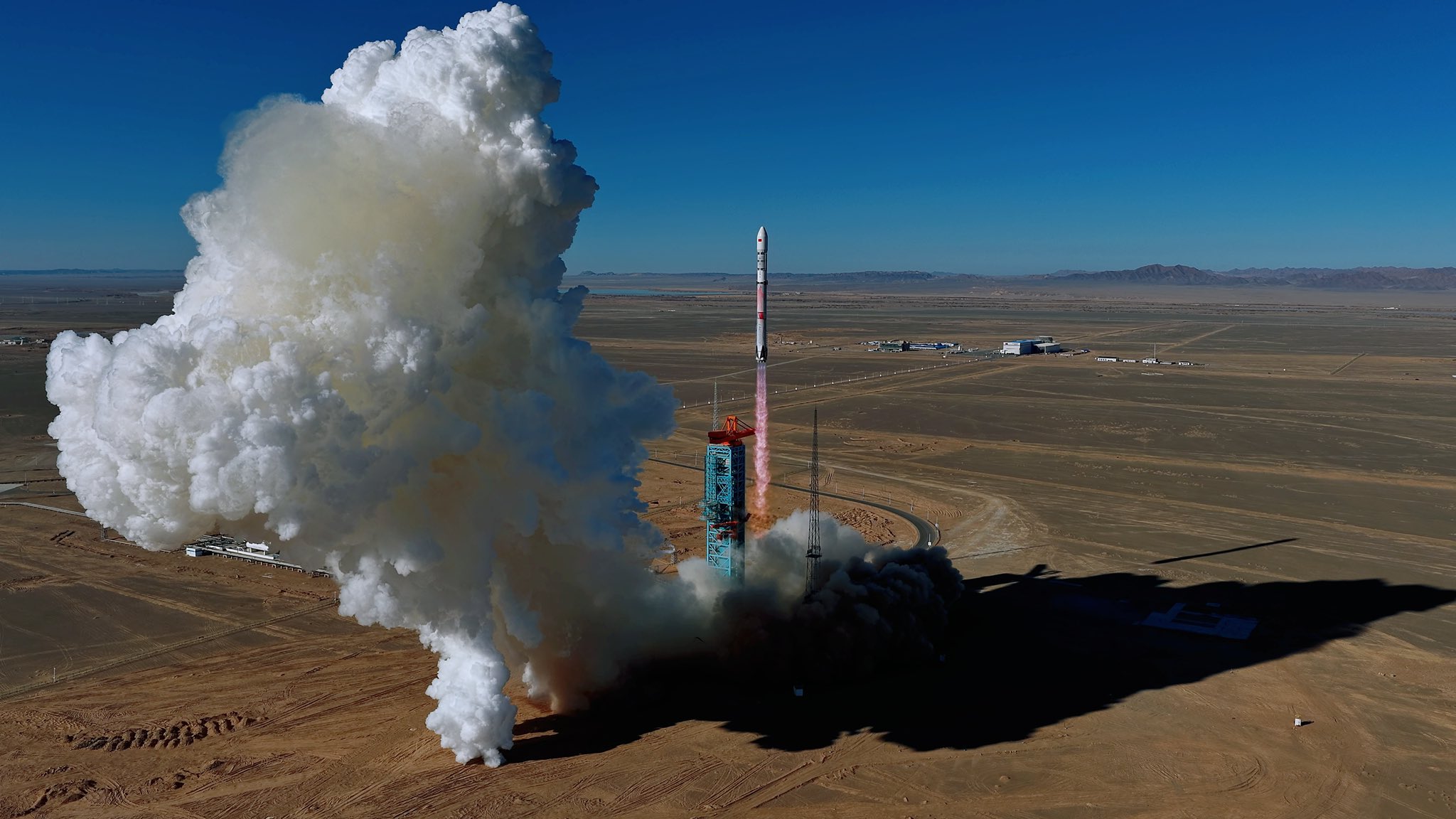
The Zhuque-3 rocket begins its first flight.
Credit: LandSpace
These new rockets can each put medium-class payloads into orbit. In its first iteration, the Zhuque-3 rocket is capable of placing a payload of more than 17,600 pounds (8 metric tons) into low-Earth orbit after accounting for fuel reserves needed for booster recovery. This makes Zhuque-3 the largest and most powerful commercial rocket ever launched from China.
LandSpace eventually plans to launch an upgraded Zhuque-3 carrying more propellant and using more powerful engines, increasing its payload capacity to more than 40,000 pounds (18.3 metric tons) in reusable mode or a few tons more with an expendable booster.
LandSpace has raised more than $400 million since its founding in 2015, primarily from venture capital firms and government-backed investment funds. LandSpace initially developed its own liquid fuel engines and a lightweight launch vehicle named Zhuque-2, which became the world’s first methane-burning launch vehicle to reach orbit in 2023. LandSpace’s Zhuque-2 recorded four successful missions in six tests.
The larger Zhuque-3 is a “next-generation, low-cost, high-capacity, high-frequency, reusable LOX/methane launcher,” LandSpace explains. The company plans to reuse its Zhuque-3 thrusters at least 20 times, “enabling efficient multi-satellite deployment for China’s Internet constellations and future space programs.”


