RAM prices are out of control. Should Apple users be worried?


You may have heard about the recent surge in RAM prices. RAM for consumer devices such as desktops, laptops, graphics cards and smartphones (DDR, GDDR and LPDDR memory) has skyrocketed in recent weeks. Prices are 50-100% higher than they were this summer, with some high-end 32GB DDR5 kits going for as much as $400 on Amazon!
The problem, as is often the case, goes back to AI. The massive rush to build new AI data centers at all costs has already increased demand for water and electricity, and has already absorbed much of the supply chain for the chips we use in consumer devices. RAM seems to be the final culprit: AI data centers use a lot of DDR memory, but the GPUs they use often use another type of RAM called HBM – high bandwidth memory. Manufacturers have started shifting some of their production to meet demand, making DDR memory used in consumer devices even more scarce.
The situation has become so bad that Samsung could not even sell RAM to Samsung.
The situation has led to rising prices for desktop and laptop computers, graphics cards and many other consumer devices. But Apple products haven’t been affected, at least not yet. But will soaring RAM prices end up making our iPhones and Macs more expensive? The situation is complicated.
Apple supply contracts
At the very least, Apple is a large and popular monolithic producer of consumer goods with a locked-down supply chain. Apple doesn’t purchase RAM monthly; it negotiates large, long-term contracts for parts in extremely high volumes. So for Apple, RAM probably hasn’t gotten more expensive yet, because they locked in prices months, if not years ago, for a huge long-term supply.
What we don’t know is when Apple will negotiate its supply contracts and how long this RAM price spike will last. A Citi report published on Because the unified memory chips in Apple processors are soldered to the chip, no disassembly is performed to reveal the make or model of the RAM.
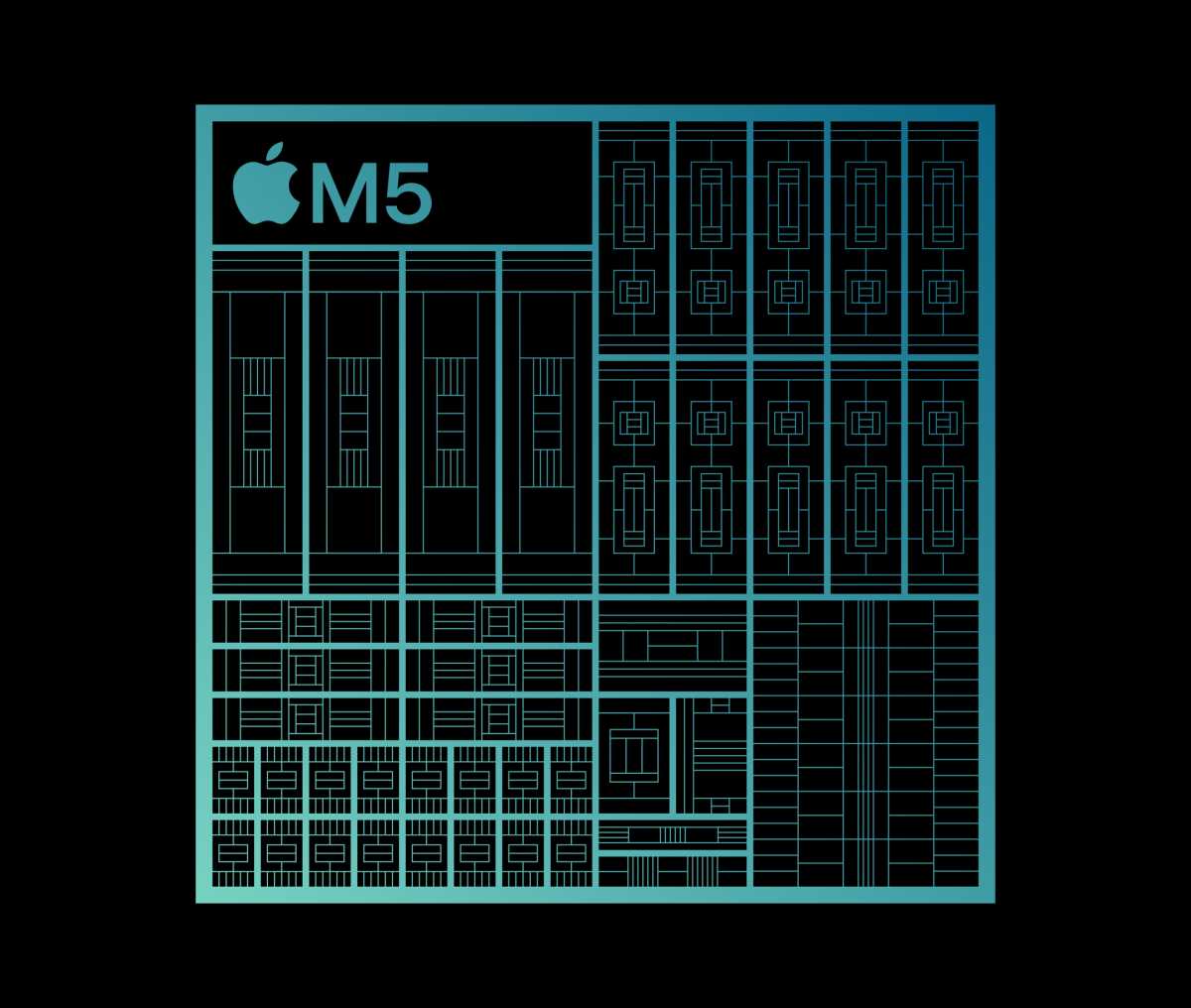
The M5 chip starts with 12GB of RAM on the iPad Pro and maxes out at 32GB of RAM on the MacBook Pro, but Apple hasn’t had to increase prices compared to previous generations.
Apple
It is also possible that Apple’s prices will increase to cover the threat additional costs. When airlines increase their ticket prices due to a rise in the price of oil, it is usually an artificial increase. Large airlines buy fuel under long-term contracts and hedge prices by setting their rates well in advance of a price spike. Airlines raise prices because they can, and we’ve seen many other industries use inflation and fares as a hedge to raise prices far beyond their actual cost increases. Also, prices rarely go down once costs stabilize, but that’s another issue.
In other words, even if Apple isn’t paying more for RAM right now, it might have to do so in the near future, and that could still raise prices. There’s simply no way to know.
Apple’s big margins
Historically, RAM price increases affect products in which RAM represents a significant portion of the total cost. On a cheap smartphone, where RAM might be 10 or 15% of the total bill of materials (BOM), doubling RAM costs can completely destroy the low margins it sells for.
Apple’s typical RAM cost is estimated at 4% of the BOM cost, and Apple’s margins are high: on the order of 20-30% for most products, and higher on high-end Macs. Apple also charges a plot For extra RAM on Macs, you’ll pay $200 more for 8GB, essentially $20 worth of RAM. Even if the cost of Apple’s RAM doubles, it still has room to spare.
Certainly, Apple is very protective of its margins and never wants to win less profit on each sale. But it certainly has the ability to withstand a few months, or even a year, of sharp DRAM price increases without losing money, even at current prices.
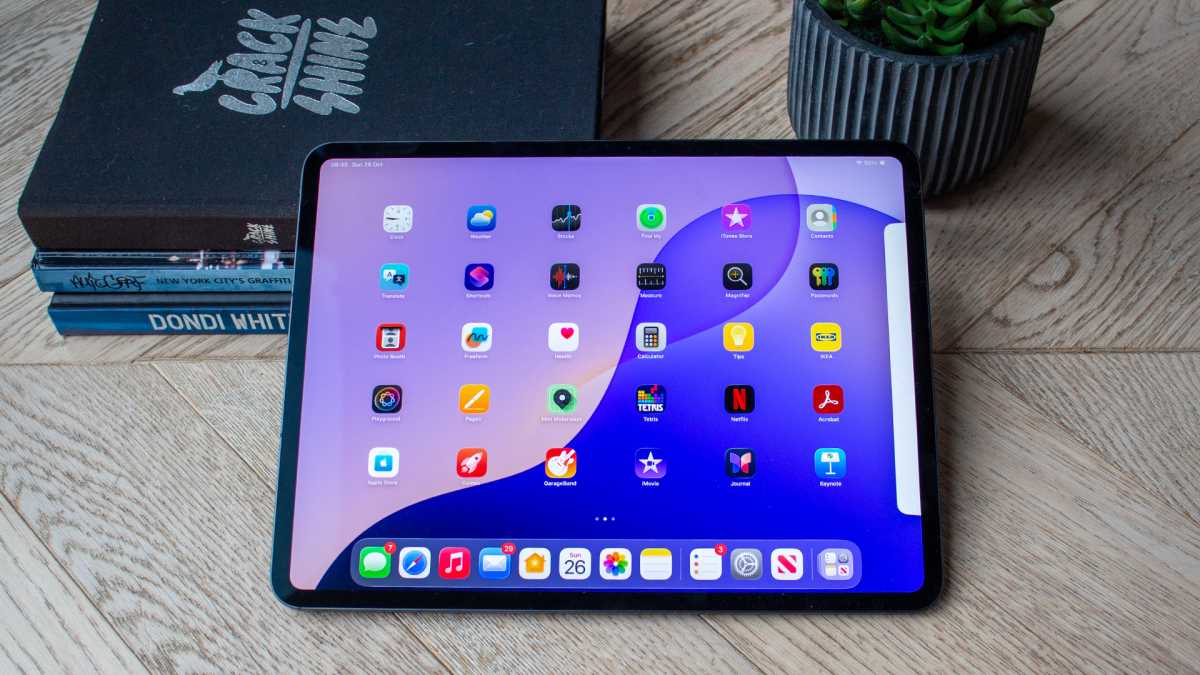
The iPad Pro M5 starts with 12GB of RAM, but also has a four-figure price tag.
Britta O’Boyle
Apple’s stable prices
The full retail price of an Apple product rarely changes. This may occur, especially in specific regions where a large variation in the exchange rate and/or taxes that must be included in the price require a change. In general, though, Apple’s prices are incredibly stable.
When the company raises its prices, it does so by introducing a new product. For example, Apple would likely not increase the price of the iPhone 17 due to rising component costs, but would rather simply increase the price of the iPhone 18 when it is introduced. One notable exception, however, occurred in March 2002, when it raised the price of its new iMac G4 just two months after its launch due to “significant increases in component costs for memory and LCD flat panels.” Of course, Apple was a much different company back then.
Apple just launched a number of its most expensive products: the iPhone 17 line (including an overpriced iPhone Air), the M5 MacBook Pro, and the M5 iPad Pro. Its next big product lineup will consist of more expensive M5 MacBook Pros (which have headroom available), M5 MacBook Airs, and perhaps some real value products, like a low-cost MacBook and iPhone 17e.

The iPhone 17e is one place where Apple could recoup rising memory costs.
Foundry | Alex Walker-Todd
In other words, Apple’s next products are a mix of high-end, high-margin Macs and value products that, by definition, to have to fit well under the rest of the product line. It would surprise me if we saw higher starting prices for these products due to the current RAM situation.
No one really knows what Apple will do on pricing, and anyone who claims otherwise is as trustworthy as a magic ball. But our assumption is that Apple will not adjust its prices in the short term due to the RAM shortage. If this supply crisis lasts all year through the fall 2026 product cycle, there’s a very good chance we’ll see higher prices on specific SKUs to offset Apple’s increased costs and preserve its overall margins.