New report warns of critical climate risks in Arab region


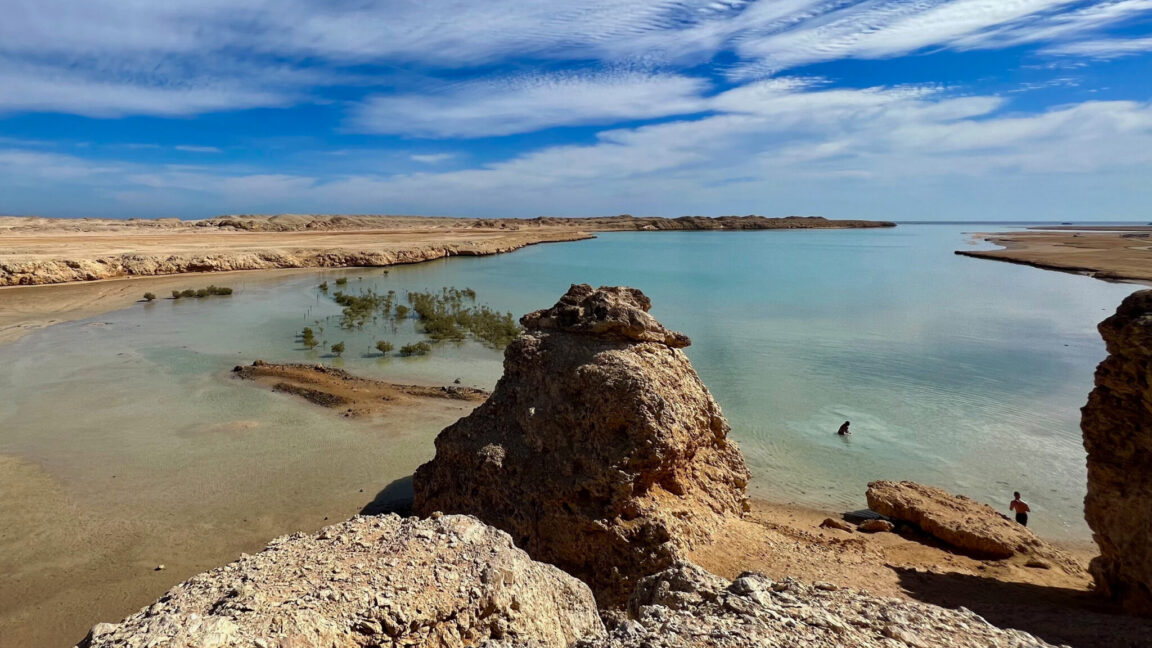
The new WMO report shows that the foundations of daily life in the Arab region, including the farms, reservoirs and aquifers that feed and support millions of people, are being put on the brink of human-caused warming.
In the Maghreb, a sunny region of northwest Africa, six years of drought have reduced wheat yields, forcing countries like Morocco, Algeria and Tunisia to import more grain, even as global prices rise.
In some regions of Morocco, reservoirs have fallen to record levels. The government has issued restrictions on water in major cities, including limits on domestic use and reduced irrigation for farmers. Water systems in Lebanon have already collapsed under alternating floods and droughts, and in Iraq and Syria, small farmers are abandoning their land as rivers shrink and seasonal rains become unreliable.
The WMO report listed 2024 as the hottest year ever measured in the Arab world. Summer heat waves spread and persisted in Syria, Iraq, Jordan and Egypt. Parts of Iraq recorded six to 12 days of temperatures above 50° Celsius (122° Fahrenheit), conditions that are life-threatening even for healthy adults. Across the region, the report notes an increase in the number of heatwave days in recent decades, while humidity has decreased. This dangerous combination accelerates soil drying and crop damage.
In contrast, other parts of the region — the United Arab Emirates, Oman and southern Saudi Arabia — have been deluged by record destructive rains and floods in 2024. The extremes will test the limits of adaptation, said Rola Dashti, executive secretary of the Economic and Social Commission for Western Asia, which often works with WMO to analyze climate impacts.
The climate extremes of 2024 have killed at least 300 people in the region. The consequences hit countries already struggling with internal conflicts and where the damage is underinsured and underestimated. In Sudan alone, flooding has damaged more than 40 percent of the country’s agricultural land.
But with 15 of the world’s driest countries in the region, water scarcity is the main problem. Governments are investing in desalination, wastewater recycling and other measures to strengthen water security, but the adaptation gap between risks and preparedness continues to widen.
The worst is yet to come, Dashti said in a WMO statement, with climate models showing a “potential increase in average temperatures of up to 5° Celsius (9° Fahrenheit) by the end of the century under high emissions scenarios.” The new report is important, she said, because it “empowers the region to prepare for the climate realities of tomorrow.”
This article was originally published on Inside Climate News, a nonprofit, nonpartisan news organization covering climate, energy and the environment. Sign up for their newsletter here.