Potential Deep-Sea Mining Site Harbors Scores of New Species



Explore
TThe deep seabed offers an alluring source of minerals to support our modern lifestyles. But the same sediments that produce valuable substances, from rare earths to copper and manganese, can also harbor unexplored ecosystems teeming with organisms new to science.
Potato-sized rocks, called “polymetallic nodules,” formed over millions of years from the precipitation of elements found in seawater. These nodules began attracting commercial interest as early as the 1960s for their deposits of nickel, cobalt, copper, manganese, and traces of rare earth elements like lithium and titanium used in battery technology.
Now, new findings describe the ecological cost of nodule mining: such activities can impact undiscovered species before they are discovered and described.
ADVERTISEMENT
Nautilus members enjoy an ad-free experience. Log in or register now.
In 2022, during a deep-sea mining feasibility test, more than 3,300 tonnes of polymetallic nodules were collected from nearly 4 km depth in the abyssal plain of the eastern Pacific Ocean. Mining companies have targeted an area called the Clarion-Clipperton zone between Hawaii and Mexico, known for its dense concentrations of nodules. A robotic nodule collection vehicle traveled across nearly 50 miles of seafloor and used what’s called a riser pipe to bring nodules, sediment and anything else embedded in the substrate to the surface.
To verify the impacts of mining, researchers worked in conjunction with the feasibility test to conduct a pre-post study of deep-sea fauna in the mined area. Using 80 sediment samples, a team of scientists measured the abundance and diversity of organisms living in the sediment for two years before and two months after test mining.
ADVERTISEMENT
Nautilus members enjoy an ad-free experience. Log in or register now.
“The research took 160 days at sea and five years of work,” Thomas Dahlgren, a marine biologist and co-author from the University of Gothenburg, said in a statement. “Our study will be important for the International Seabed Authority (ISA), which regulates mining in international waters.”
Read more: »The challenge of deep-sea taxonomy»
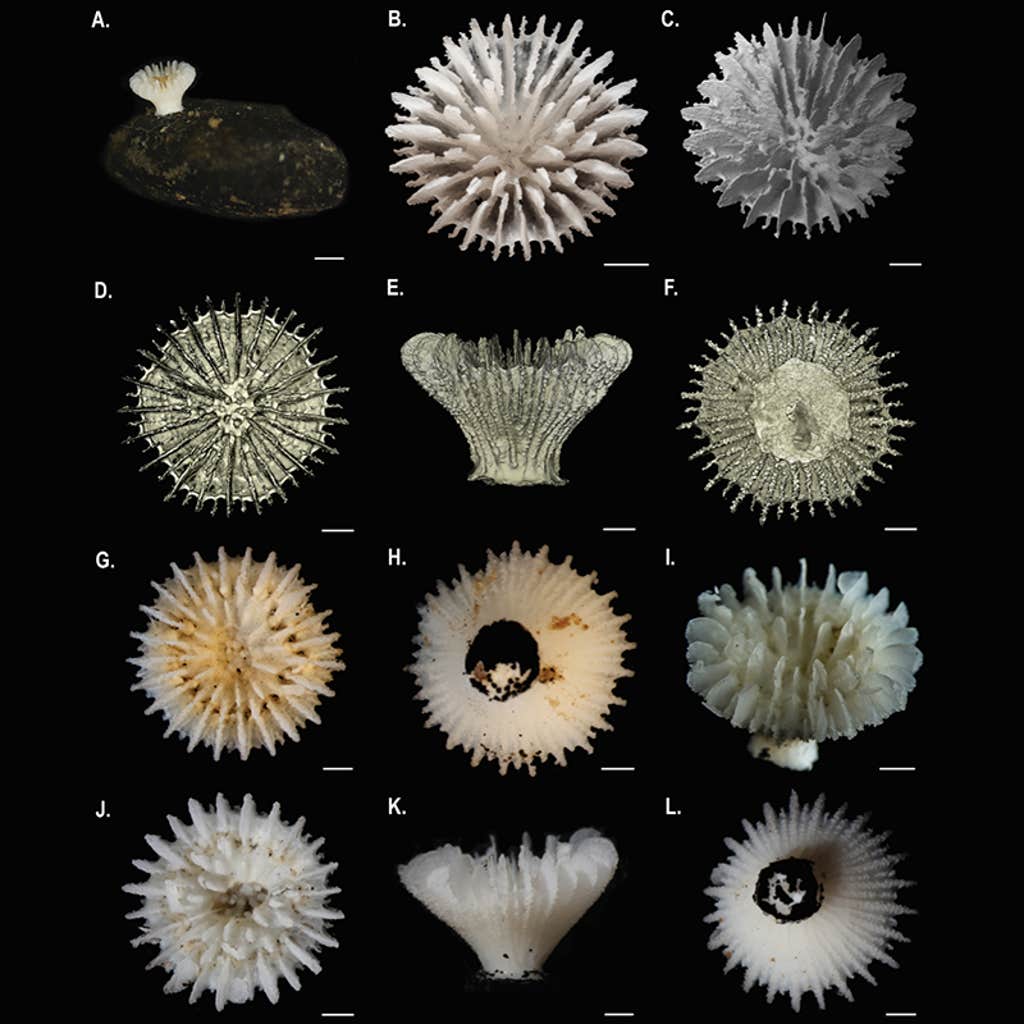
The results showed that although this method of mining has less negative ecological impact than expected, most of the disturbed species had not yet been described by scientists. The 788 species identified through molecular DNA analysis included new species of marine bristleworms, crustaceans and molluscs, including snails and mussels.
ADVERTISEMENT
Nautilus members enjoy an ad-free experience. Log in or register now.
After mining, the number of animals in the nodule mining machine tracks decreased by 37 percent, with a 32 percent reduction in species diversity. Thus, if the deep-sea fauna has not been completely wiped out by the exploitation of nodules, certain species have been eliminated.
“It is now important to try to predict the risk of biodiversity loss from mining,” said co-author Adrian Glover from the Natural History Museum in London. “Right now we have virtually no idea what lives there. »
It is likely that there are many more undiscovered species waiting in the Clarion-Clipperton area and other areas attractive to deepwater mining interests.
ADVERTISEMENT
Nautilus members enjoy an ad-free experience. Log in or register now.
Enjoy Nautilus? Subscribe for free to our newsletter.
Main image: Craig Smith / ABYSSLINE


