Watch the Geminid meteor shower peak tonight from the comfort of home with this free livestream

When you purchase through links on our articles, Future and its syndication partners may earn a commission.

Credit: Photo by YASSER AL-ZAYYAT/AFP via Getty Images
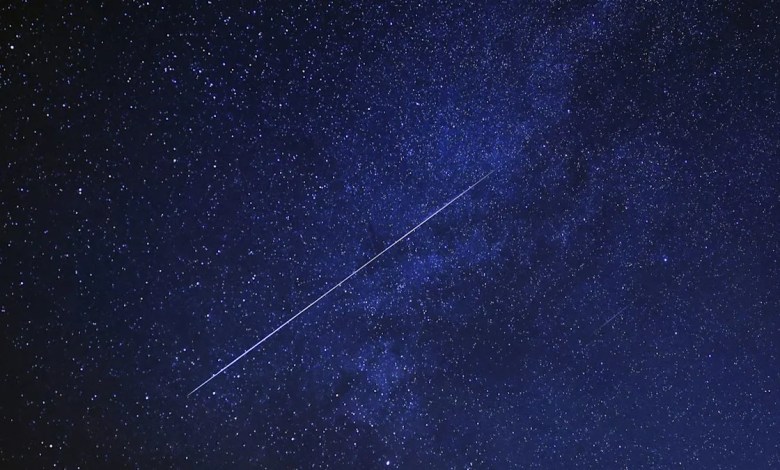
You can log in to see live views of the Geminid meteor shower as it peaks on the night of December 13-14, thanks to a free live stream hosted by the Virtual Telescope Project. The annual rain occurs as Earth passes through the debris-strewn orbit of the wandering asteroid (3200) Phaethon.
The live stream is scheduled to begin at 4:00 p.m. EST (9:00 p.m. GMT) on December 13 on the Virtual Telescope Project platform. YouTube channelif time permits. In perfect dark sky conditions, you could see up to 150 meteors per hour near the peak, although most viewers will see less, especially in light-polluted areas.
If clouds are conspiring to spoil your view – or if you live in the Southern Hemisphere, where the shower isn’t visible at all – the Virtual Telescope Project livestream will help ensure you don’t miss one of the most impressive natural light shows of the year.
The stream is expected to last until dawn and will feature views from the organization’s super-wide-angle all-sky camera located in Manciano, Italy, which Virtual Telescope Project founder Gianluca Masi says is one of the darkest-sky regions in the country.
How to look for Geminids
Look for Geminid meteors moving away from a point of origin near the bright star Beaver in the Gemini constellationwhich rises above the eastern horizon a few hours after sunset and remains visible all night. Thus, the Geminid shooting stars can be spotted from mid-evening until dawn. Moonlight shouldn’t spoil the show too much this year, although a 26% lit waning crescent moon rises an hour or two after midnight, which can make viewing slightly more difficult in the hours before sunrise.
Shooting stars become visible when particles break off while wandering comets Or asteroids impact Earth’s atmosphere and vaporize in brief flashes of light. If you’re hoping to capture a photo of a meteor yourself, check out our guide to photograph shooting starswith our selections of best cameras And lenses for imaging the night sky.
Editor’s note: If you capture a shooting star and would like to share your astrophotography with Space.com readers, please send your photo(s), comments, name and location to spacephotos@space.com.


