What to know and how to watch

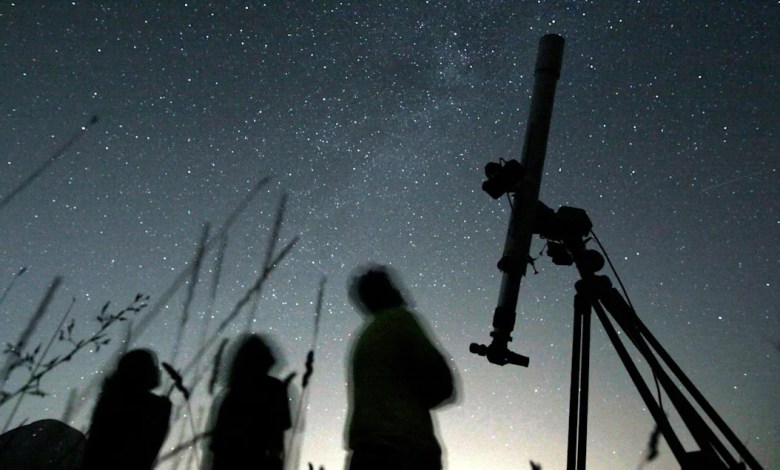
If you look to the stars next week, you may see a celestial event.
The Ursids meteor shower, also known as the Ursids, will be the last meteor shower of the year, making it your last chance to see “shooting stars” in 2025. It will peak Sunday night into Monday morning and will be visible until December 26.
While the Ursids won’t put on as flashy a show as, say, the Geminids, which peaked earlier this month, or the Perseids, the summer meteor shower that many experts say is the best of the year, it could at least bring a little joy to space enthusiasts. Here’s what you need to know.
What are the Ursids?
Meteor showers occur when comet debris collides with Earth’s atmosphere and heats up to the point of briefly glowing, creating this “shooting star” effect. The Ursid debris comes specifically from comet 8P/Tuttle, known since 1790, according to Travel and Leisure.
Tuttle doesn’t leave as much debris as other comets, so this meteor shower won’t be as active as the others.
Who will see the Ursids? How visible will they be?
The Ursids will be visible to most people in the Northern Hemisphere from Sunday, December 21 to Friday, December 26. During their peak (Sunday evening through Monday morning), the American Meteor Society says to expect around five to 10 meteors per hour – although some may see up to 25.
Sometimes the brightness of the moon can make it difficult to view meteor showers. However, this will not be a problem for this year’s Ursids, as there will be a narrow crescent moon during the peak.
What is the best way to see the Ursids?
Ursid activity is expected to be highest around 5 a.m. ET on December 22, so stay up late – or get up extra early – to see it.
You don’t need a telescope or any special equipment to view this meteor shower. Look for a dark area, away from city lights, and give your eyes time to adjust.


