Surfshark VPN: 2025’s milestones and the roadmap for 2026


In 2025, Surfshark moved from product consolidation to infrastructure depth, refining the underlying systems that support its cybersecurity and privacy services. The move comes amid a year marked by accelerated adoption of generative AI technologies and a sharp increase in data breaches globally, conditions that have demanded a more resilient, adaptive and transparent VPN network architecture.
For Surfshark, the focus on technical foundations reflected a broader effort to strengthen the performance, reliability and reliability of its platform in an increasingly volatile digital environment.
According to Vytautas Kaziukonis, CEO of Surfshark, the company’s main goal for the year was to “dramatically raise the bar for VPN performance.” While the industry often focuses on flashy features, Surfshark’s 2025 strategy was rooted in stability and speed, ensuring that as internet usage becomes more demanding, the VPN layer remains invisible.
The year of Everlink and 100Gbps
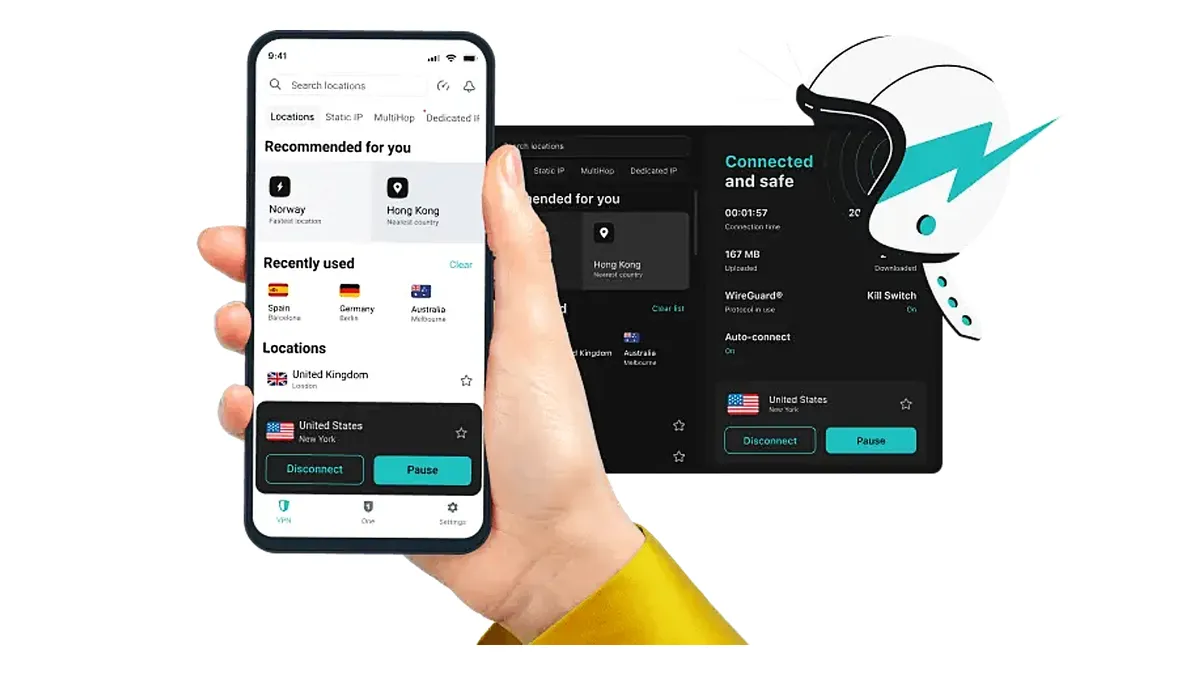
The most significant technical advancement of 2025 was the introduction of Everlink, Surfshark’s patented self-healing VPN infrastructure, which keeps connections stable even when individual servers crash or disconnect.
As users increasingly rely on mobile devices that constantly switch between Wi-Fi and cellular data, maintaining a secure tunnel can be difficult, as brief interruptions or handovers can momentarily expose traffic or force a complete reconnection.
“In 2025, Surfshark…launched Everlink, an industry-first patented technology designed to provide greater VPN connection stability,” Kaziukonis explained. He described the feature as a “supportive and self-healing infrastructure” that can seamlessly recover broken connections.
For the end user, this means fewer interruptions when moving from office to train, closing a common vulnerability gap where data can leak during a transfer.
Added to stability was raw power. To support the deployment of Gigabit fiber in homes around the world, Surfshark has upgraded its backend hardware. “We deployed our first-ever 100Gbps bandwidth servers in response to the growing demand for higher bandwidth,” Kaziukonis noted, with the aim of ensuring that the VPN “does not become a bottleneck.”
This hardware upgrade was combined with software optimization in the form of “FastTrack”. Built on Surfshark’s existing Nexus infrastructure, this technology optimizes traffic paths using a network of servers rather than a single tunnel.
According to Kaziukonis, this approach is capable of “increasing internet speeds by up to 70%,” a substantial claim that positions them aggressively against speed-focused competitors like ExpressVPN.
AI adoption and the breach epidemic
Beyond infrastructure, Surfshark’s roadmap for 2025 was driven by “the massive increase in AI adoption.” Kaziukonis pointed out that GenAI is now integrated into everyday tools, from browsers to smart home devices, “processing unprecedented amounts of personal data.”
In the third quarter of 2025 alone, 90 million user accounts were leaked. »
Vytautas Kaziukonis, CEO of Surfshark
This technological change has created new attack vectors. “We have also seen AI significantly amplify phishing threats,” Kaziukonis warned. In response, the company launched a Email Scam Checkera tool specially designed to help users identify fraudulent messages that have become increasingly convincing thanks to AI generation.
Additionally, the sheer volume of data breaches has led to the adoption of identity obfuscation tools. Noting that “90 million user accounts were leaked in the third quarter of 2025 alone,” Kaziukonis highlighted the need for Surfshark’s strategy. Alternate ID And Alternative number features. These tools allow users to generate aliases, preventing their real information from ending up in the datasets of data brokers or hackers.
What is planned for 2026?
Looking ahead, Surfshark appears poised to capitalize on the growing popularity of the “suite” approach to cybersecurity, in which integrated tools work cohesively to protect users across every digital touchpoint.
The company’s 2026 roadmap suggests not only continued expansion of its identity protection capabilities, but also an increased focus on demonstrating how these tools work in real-world scenarios, bridging the gap between theoretical security benefits and everyday user experience.
“In 2026, we are particularly interested in the real impact of identity theft coverage, which expands and strengthens our overall identity protection offering,” Kaziukonis said. This demonstrates a continued evolution from simple VPN to a comprehensive digital insurance policy.
However, the core product remains the priority. Kaziukonis confirmed that the company looks forward to “rolling out quality of service improvements, including speed, latency and connection stability.”
The road to follow
Surfshark closes 2025 having successfully strengthened its technical core. By patenting self-healing connection technology with Everlink and moving to 100 Gbps servers, the company has met basic user demands for speed and reliability.
However, Kaziukonis’ ideas on AI and data breaches suggest that the battleground for 2026 will be identity. As AI makes scams harder to detect and breaches more frequent, Surfshark’s strategy of combining robust infrastructure with tools like Alternative ID positions it well for a year where “informed decision-making is more important than ever.”


