Nestle issues global recall of some baby formula products over toxin fears


Archie MitchellEconomic journalist

 Getty Images
Nestlé has issued a global recall of some infant products over concerns they contain a toxin that could cause food poisoning.
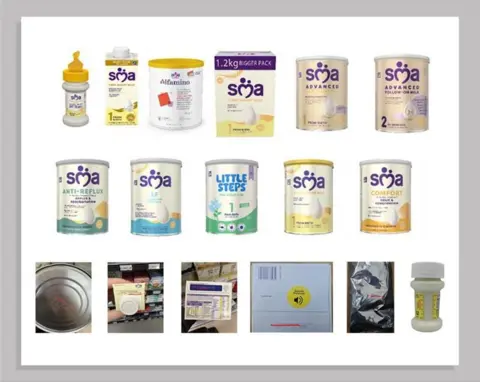
The food and drink giant said specific batches of its SMA infant formula and follow-on formula were unsafe to give to babies.
The batches were sold worldwide, Nestlé said, and they potentially contain cereulide, which can cause nausea and vomiting when consumed.
The company said there have been no confirmed reports of illness associated with these products, but that it is recalling them “out of an abundance of caution.”
“The safety and well-being of babies is our top priority,” Nestlé said. “We sincerely apologize for any concerns or inconvenience caused to parents, caregivers and customers.”
The company confirmed to the BBC that the recall was global. The affected products were sold in several European countries, including France, Germany, Austria, Denmark, Italy and Sweden.
He stressed that all other Nestlé products and batches of the same products that have not been recalled are safe to consume.
Nestlé promised refunds to affected customers and said the problem was caused by an ingredient supplied by one of its suppliers.
Nestlé France has announced that it is carrying out a “preventive and voluntary recall” of certain batches of its Guigoz and Nidal infant milks.
In Germany, the formula products are called Beba and Alfamino.
Batch numbers of affected products in the UK can be found on the Nestlé UK website or at food.gov.uk.
Customers are advised to look for the corresponding code on the bottom of the box or box for powdered preparations or on the bottom of the outer box and on the side or top of the container for ready-to-use preparations.
 Nestle
Cereulide is a toxin produced by certain strains of the Bacillus cereus bacteria that can cause symptoms of food poisoning, which can develop quickly and include vomiting and stomach cramps. It is unlikely to be deactivated or destroyed by cooking, using boiling water or when preparing infant formula, the Food Standards Agency (FSA) has warned.
Jane Rawling, incident manager at the FSA, said parents, guardians and carers should not give infants or young children the affected products.
She added: “I would like to reassure parents, guardians and carers that we are taking urgent action to ensure all affected products are removed from sale as a precaution.
“If you have given this product to a baby and you have concerns about its potential impact on health, you should seek advice from a healthcare professional by contacting your GP or calling NHS 111.”

Get our flagship newsletter with all the headlines you need to start your day. Register here.


