Tienda de segunda mano. Clínica. Lugar de encuentro. Centro se convierte en espacio vital en medio de la crisis de vivienda y drogas


NUEVA ORLEANS, Louisiana. — Since then, the former location of the Family Dollar store, in the 9th ward, has become intimidating. This graffiti box and the storage area have aluminum and base plates. It is located on a street with other earthen buildings and ruined buildings: symbols of the continuing devastation that this neighborhood, one of the poorest in the city, has suffered since Hurricane Katrina.
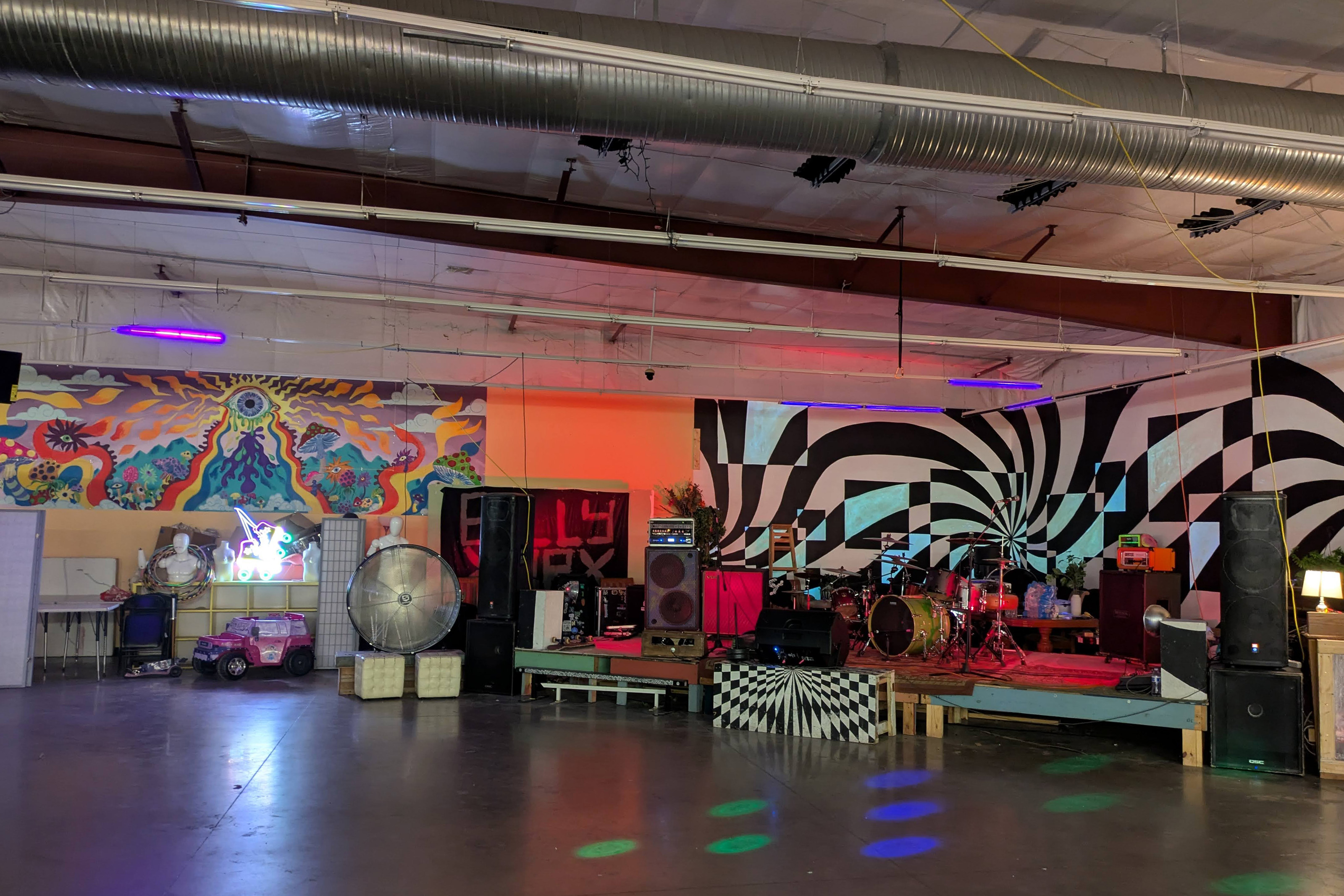
But inside, the place is a welcoming oasis. Decorative lights decorate the donada clothes. It contains supplies and containers of children’s books, allergy medications and personal hygiene items. Separated by cortinas, there is a lounge with a music stage and a neon player with patinas, for the free skating nights that are organized every week.
The space is part free-for-all, part over-the-counter pharmacy, part punk concert venue and part “radical community center,” said Dan Bingler, who runs it.
Bingler is a local man and bartender and founded a mutual aid organization called the Greater New Orleans Caring Collective. However, building officials can use the space always and when paging water, light and fundraising.
Late Mondays, they introduce volunteers from other community organizations — some of whom must move into the facility before Bingler opens the space —. There are free tests for sexually transmitted infections, basic medical care, hot food, sterile jeringas and other suministros for people who use medications.
The venue’s proposition is simple, Bingler said: “We’re going to keep our community safe.”
Even in its years of operation, the space will have become more crucial in recent months, with the Trump administration seizing funds from many social service organizations and taking an aggressive stance on disaster relief and drug use.
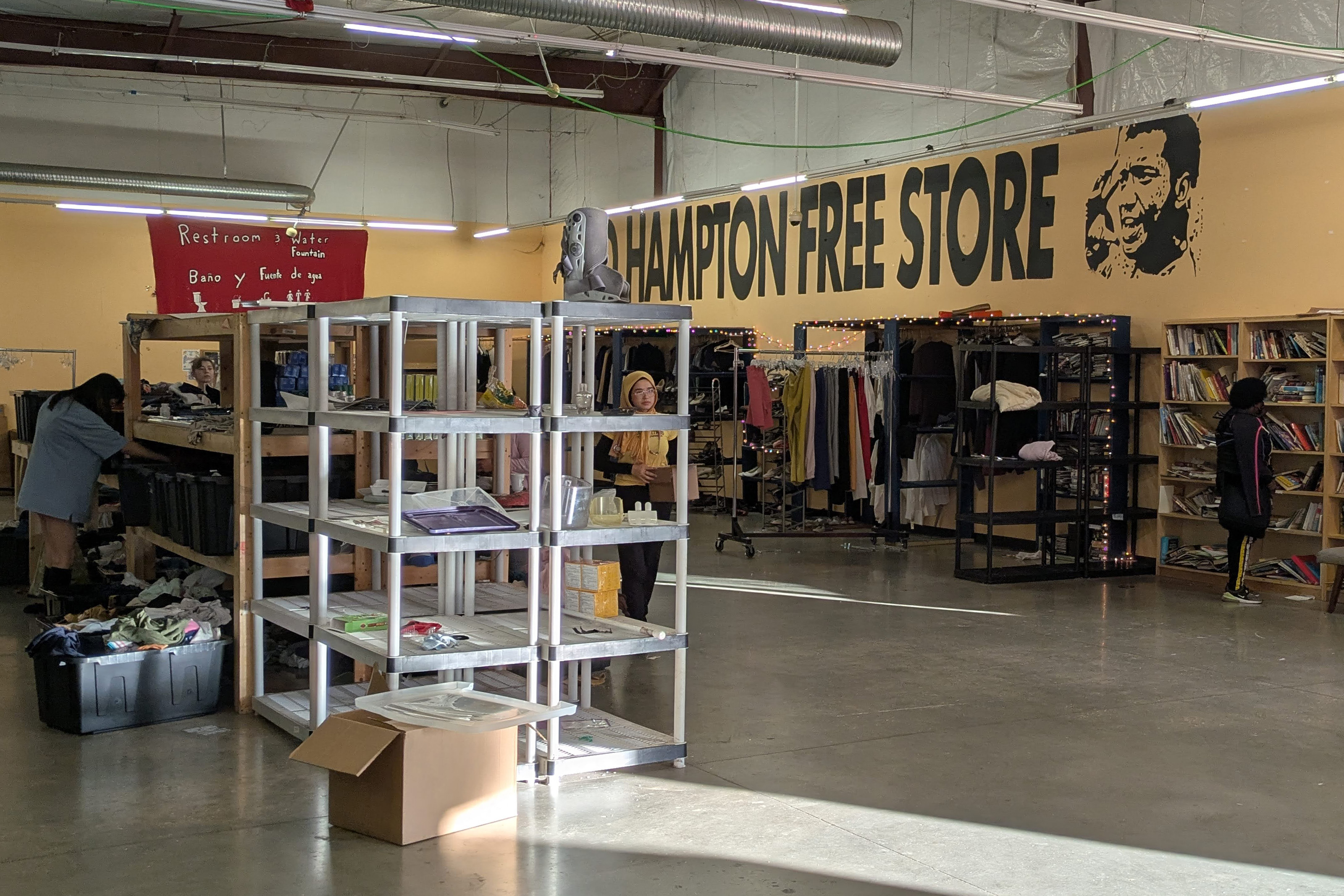
Dan Bingler, who runs the Fred Hampton Free Store, describes it as a “radical community center.” The store offers free items to visitors, all donations from individuals and groups in the community. Volunteers from other organizations provide basic medical attention and harm reduction services pro bono at the venue. (Aneri Pattani/KFF Health News)
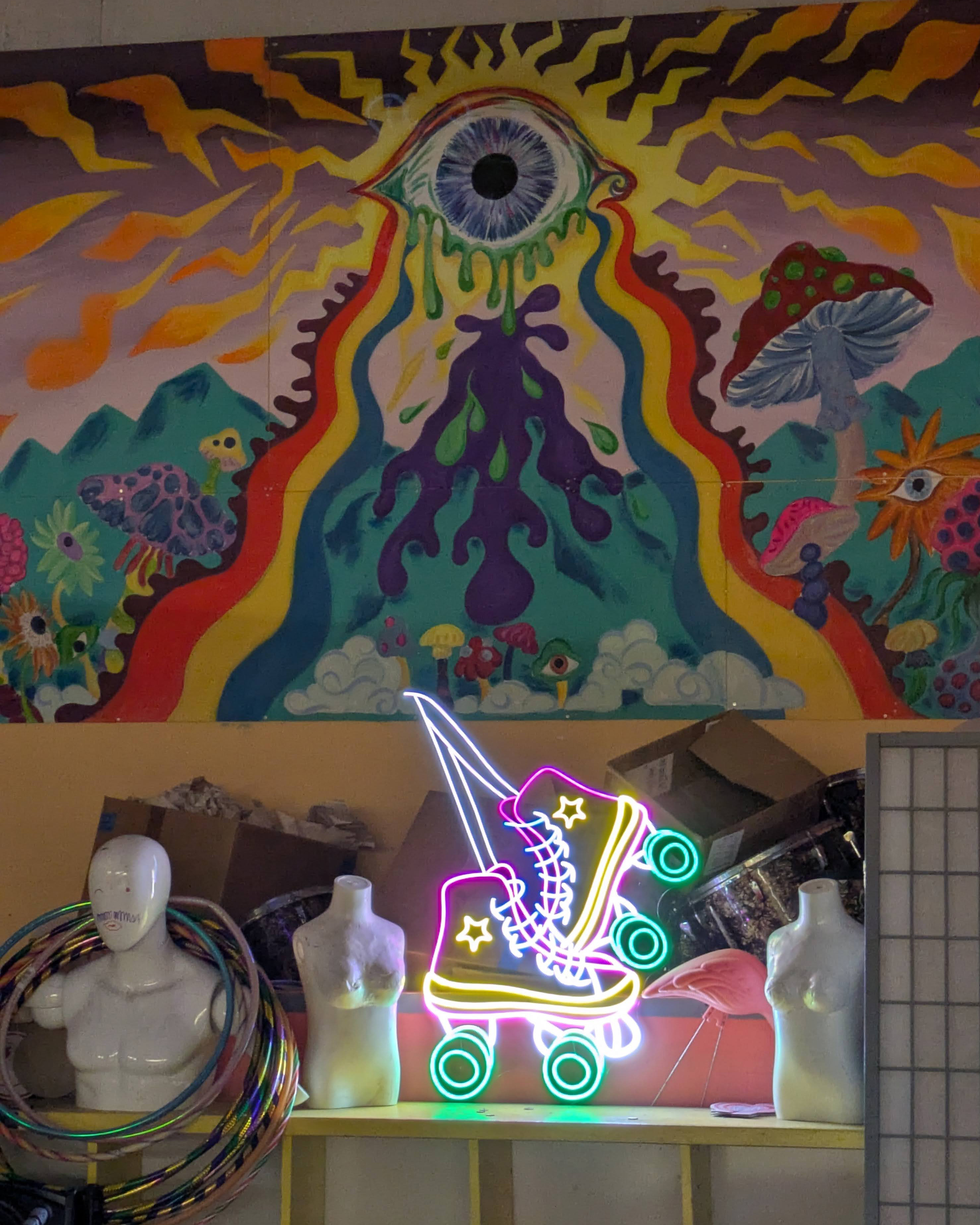
At night, the tienda offers free indoor street skating sessions for the public. (Aneri Pattani/KFF Health News)
In Washington, DC, the administration has demolished retail camps to force those living on the streets to abandon the city. At the national level, this is the reason why people who use drugs are forced to start treatment. I called for harm reduction — strategies that public health experts say protect people who use drugs and save lives, but that their critics have encouraged the consumption of illegal food —.
New Orleans’ community space — called the Fred Hampton Free Store, in honor of the famed Panteras Negras activist known for uniting diverse groups in the work of social reform — is a refuge from all these changes.
Bingler said we do not receive federal funds, state or local grants, or fund dollars. Simply his neighborhoods helped the neighborhoods, said with broken voice, and added: “It’s really something that can share this space well.”
All venue items provided by people or organizations in the community. On one occasion, according to Bingler, a local hotel was renovated with 50 flat-screen televisions.
During the nights when the premises are open, it can accommodate more than 100 people, aggregated.
One otoño night, decades of people bought free clothes and free medicines to sell. Others are sent to the supermarket, chatting while they watch their bikes or the supermarket trucks selling goods.
James Beshears went through the harm reduction group at the facility to receive esterial substances used to inject heroin and fentanil. I said I was in treatment for years but found out your doctor was ready and going to a clinic that paid $250 a day. The drugs on the streets were more crap than the treatment, comment.
I want to stop using. But until you find accessible medical attention, you can stay there for free. Without it, he says, you tend to be “a pie in the tumba.”

Other men on the staff were hoping for the lawyer of Aquil Bey, a paramedic and former member of the Crash Special Forces known for helping people face major obstacles in accessing medical attention. Apenas with Bey’s black truck, I found it.
“I have stage 4 renal enfermedad,” he said, and added that you cited programs at the hospital, but you need to take him.
“Have a favor,” replied Bey, with two foldable tables and auto medical equipment. “When the new team arrives, we come to Vernos. We can therefore be transported.”
He is the founder of Autonomous Communities, a volunteer-led organization that provides free basic medical attention and diversions to people without homes, drugs or goods to other vulnerable communities. The group has a constant presence in the free store.
On this day, Bey and your equipment are connected to the man who needs treatment for his kidney failure with low-cost transportation programs. There are also blood pressure and blood checks, treatment of infectious diseases and calling clinics to care for patients who don’t have telephones.
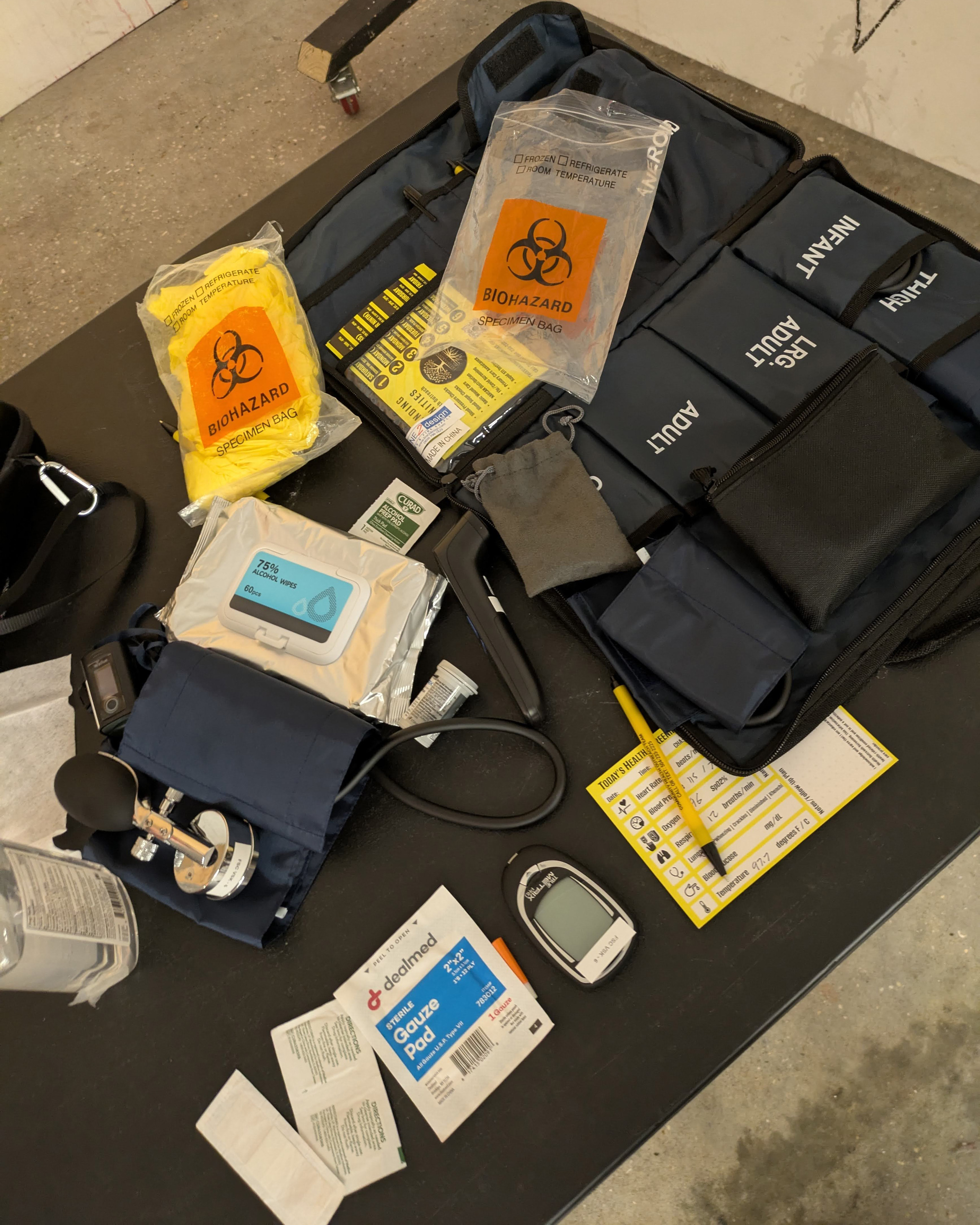
Overnight, Freestanding Communities sets up medical equipment on a collapsible table in the Fred Hampton Free Store and offers medical checkups, male attention and other services during any visit.
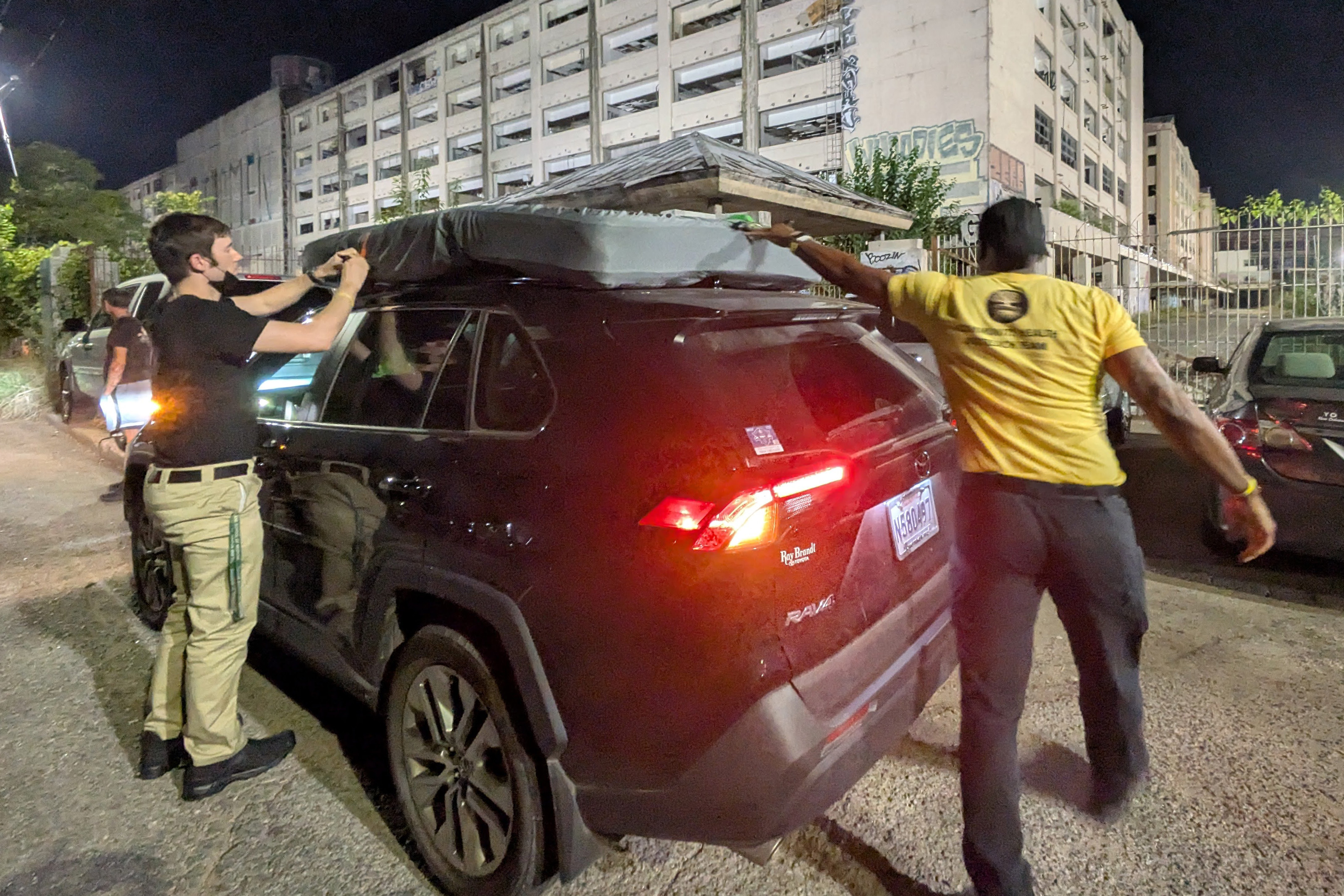
Freestanding Communities volunteers recognized a necklace that had been donated to the Fred Hampton Free Store and moved to an abandoned naval base in New Orleans, where a man with a pier injury had been left hard in the cement suelo. (Aneri Pattani/KFF Health News)
A man with an injury on the pier mentioned that he was sleeping on the concrete ground of an abandoned naval base. Note that in the furniture section of the room, there is a colchon. With another volunteer, loading, docking with the technician a car and transporting it to the sleeping man.
“We’re dealing with identifying all of these bars” that we’re sending to people and “looking for forms of resolution,” Bey said.
The Free Service Clinic helped connect Stephen Wiltz with treatment for his addiction. Born and raised in the Lower 9th Ward, he had already been using drugs for 10 years.
Due to discrimination from doctors who were guilty of their addiction, Wiltz said people should avoid going to any treatment center. But after years of meeting the volunteers at the free store, they entrusted them with guidance.
At over 56, this is a sustained recovery for the first time in my life, I have a telephone interview in my life.
These volunteers “cuidaron de personas que no tenían a nadie que los cuidara”, affirmed.
While the floor is on that night in the shop, a punk band is working to prepare for their presentation at the other part of the show, where they are in the medical clinic. The lights dim and the music comes through the sonar at full volume, a recorder that is not that of a conventional clinic or community center.
Bey seguía attendiendo a un patient con gota.
“Ya me acostumbré al sonido,” he says over rapid drum hits and power chords. “Once, hasta me gusta”.