‘What happened in the past is likely to recur’

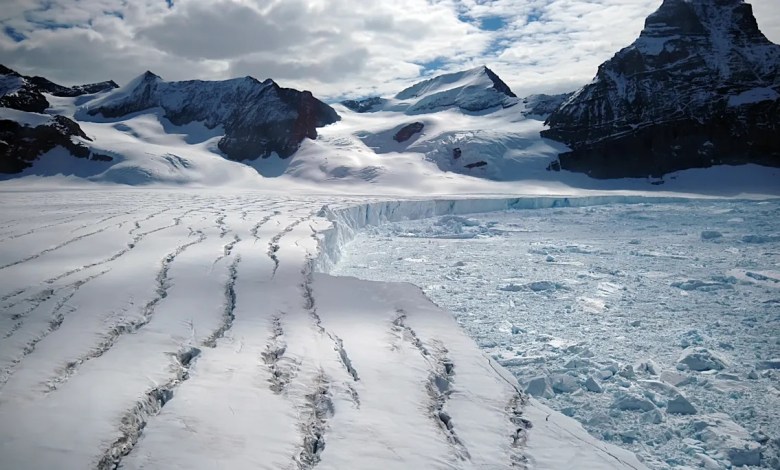
Researchers analyzing ancient seafloor sediments have found that the West Antarctic ice sheet collapsed and grew back several times over millions of years, each time triggering earthquakes, volcanic eruptions, landslides and tsunamis.
What’s going on?
Scientists drilled nearly 2,605 feet into the ocean floor off West Antarctica during a 2019 expedition, recovering sediment cores spanning six million years, according to The Conversation.
The analysis found that between 4.7 million and 3.3 million years ago, the ice sheet melted and regrew at least five times over periods of up to tens of thousands of years.
“Our Amundsen Sea past data and resulting predictions indicate that land changes in West Antarctica will not be slow, gradual, or imperceptible from a human perspective,” the researchers wrote in the paper.
“Rather, what happened in the past is likely to happen again: rapid geological changes that are felt locally as apocalyptic events such as earthquakes, eruptions, landslides and tsunamis – with global effects.”
Chemical analysis of the mud layers also matched signatures from mountains 870 miles away, proving that the icebergs had transported material across the ocean, where thick ice now lies.
Why are these results important?
Rapid geological changes threaten coastal communities around the world. As the ice melts and flows, the bedrock bounces upward, triggering earthquakes.
The release of pressure also increases volcanic activity, as seen in Iceland. During this time, massive landslides can collapse into the ocean, generating destructive tsunamis.
Sea level rise from melting Antarctic ice can intensify flooding from storms, and millions of people will face future displacement as cities near the sea become uninhabitable.
Global warming temperatures are increasing the intensity of extreme weather events, creating more violent storms that devastate communities.
What are we doing to combat the melting ice in Antarctica?
Computer models can now simulate how ice sheet collapse is transforming Antarctica, helping scientists predict the timing and impacts so communities can better prepare evacuation plans and strengthen critical infrastructure.
A shift away from oil, gas and coal can help slow ice melt by limiting air pollution and resulting ocean warming. Installing solar panels and switching to electric vehicles can reduce the pollution that is accelerating change in Antarctica.
Get TCD’s free newsletters for simple tips to save more, waste less and make smarter choices – and earn up to $5,000 towards clean upgrades in TCD’s exclusive rewards club.


