ICE error meant some recruits were sent into field offices without proper training, sources say


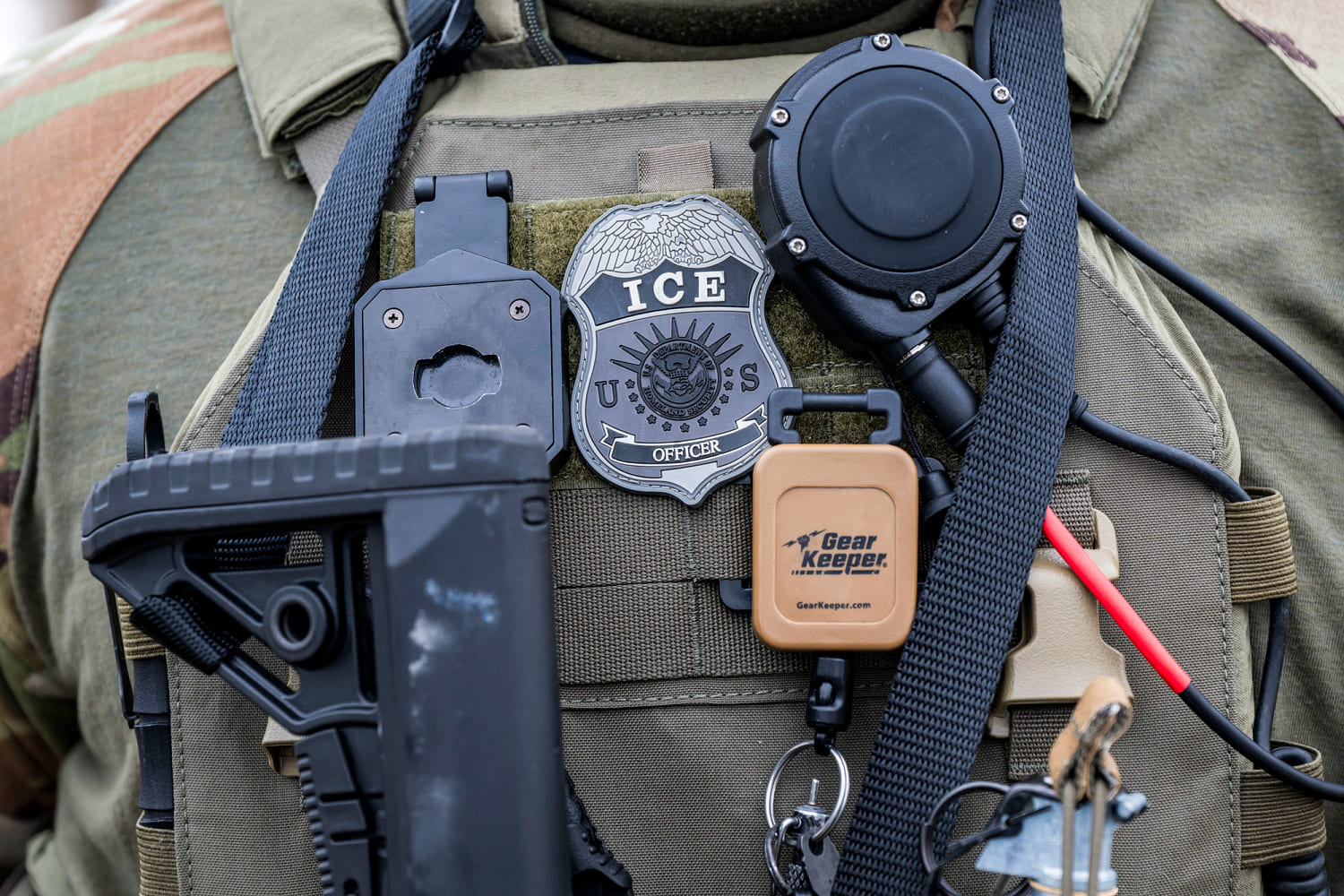
As Immigration and Customs Enforcement rushed to add 10,000 new agents to its workforce, an artificial intelligence error in how their applications were processed sent many new recruits to field offices without proper training, according to two law enforcement officials familiar with the error.
The AI tool used by ICE was tasked with searching for potential candidates with law enforcement experience to be placed in the agency’s “LEO program” — short for law enforcement officer — for new hires who are already law enforcement officers. This requires four weeks of online training.
Applicants without law enforcement experience must complete an eight-week in-person ICE academy course at the Federal Law Enforcement Training Center in Georgia, which includes classes on immigration law and handling a firearm, as well as physical fitness tests.
“They were using AI to scan resumes and found that a number of people who were LEOs were not LEOs,” one of the officials said.
Officials said the AI tool sends people with the word “officer” on their resume to the shorter, four-week online training — for example, a “compliance officer” or people who aspire to become ICE officers.
The majority of new applicants were identified as law enforcement officers, officials said, but many had no experience in local police or federal law enforcement.
Both law enforcement officials noted that ICE field offices provide more training than is provided at the academy or in the online course before agents are sent to the streets and that agents selected by the AI tool most likely received that training. The officials were not authorized to speak publicly and spoke to NBC News on condition of anonymity.
The Department of Homeland Security did not respond to a request for comment. The AI error was identified in mid-fall — more than a month after the hiring surge began — and ICE immediately began taking steps to remedy the situation, including manually reviewing new hires’ resumes, officials said.
“Now they have to take them back to FLETC,” one of the officials said, referring to the Federal Law Enforcement Training Center.
The AI tool was initially the mechanism used to categorize resumes, officials said. Officials did not know exactly how many officers had been poorly trained. It is also unclear how many people may have been sent to begin immigration arrests.
As the immigration agency sends agents to U.S. cities, their enforcement tactics are increasingly being questioned by local law enforcement, community groups and lawmakers following the shooting death of Renee Nicole Good in Minneapolis by ICE officer Jonathan Ross.
Ross had more than 10 years of experience at ICE and would not have been subject to AI screening for new hires.
The mistake highlights the challenge of training so many new recruits as ICE continues to ramp up operations to increase the number of deportations under pressure from the White House. ICE also placed some new recruits in a training program before they completed the agency’s screening process, NBC News reported.
In Minneapolis alone, more than 2,000 ICE agents have been sent to the region to step up arrests, and they have apprehended more than 2,400 people since Nov. 29, DHS spokeswoman Tricia McLaughlin said. Minnesota filed a lawsuit to try to defund DHS.
ICE was mandated to hire 10,000 new executives by the end of 2025 and offered new hires $50,000 signing bonuses using money allocated by Congress under the One Big Beautiful Bill. One of the officials said that while ICE met its goal on paper, bringing back misidentified people for additional training means it fell short of adding 10,000 ICE agents to the streets in 2025.


