Rare nocturnal parrots in New Zealand are breeding for the first time in 4 years — here’s why


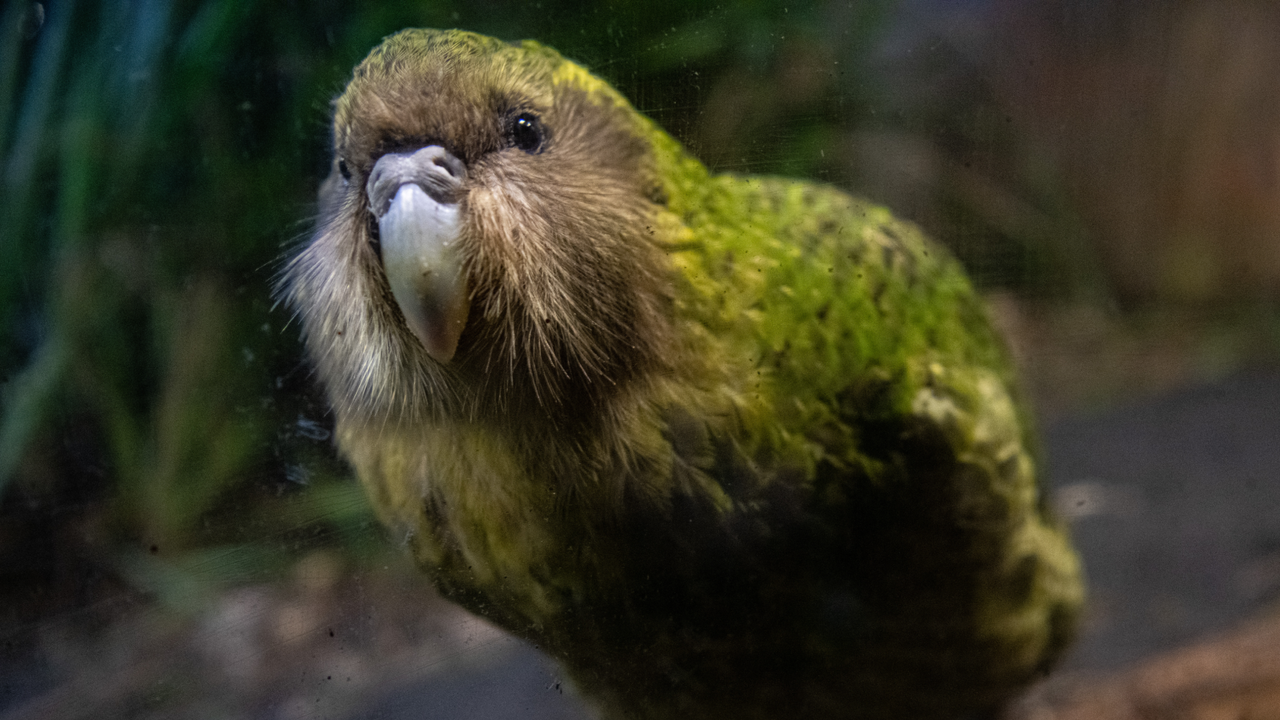
A critically endangered species of flightless parrot is breeding for the first time in four years in New Zealand, authorities announced on January 6.
Kakapo (Strigops habroptilus) are large, flightless nocturnal parrots with green and yellow spotted plumage that only breed every two to four years. Their breeding seasons are triggered by the massive fruiting of the rimu tree (Dacrydium cupressinum), a native conifer that can live more than 600 years.
“It’s always exciting when the breeding season officially begins, but this year it seems particularly anticipated after such a big gap since the last season in 2022,” Deidre Vercoeoperations manager for kākāpō recovery at the New Zealand Department of Conservation, said in a statement statement.
THE birds became critically endangered in the mid-1900s due to human expansion across New Zealand. Intensive management has increased kākāpō numbers by just 51 individuals over the past 30 years, but today there are only 236 kākāpō left in the wild, including 83 breeding females. All wear backpack radio transmitters to monitor their location and activities. Most female kākāpō raise one chick each breeding season.
The 2026 breeding season could produce the largest number of chicks since records began 30 years ago, according to the release. But the kākāpō recovery program aims to ensure the birds can sustain themselves, not just the number of chicks they produce.
“Kakāpō are still critically endangered, so we will continue to work hard to increase their numbers, but looking forward, chick numbers are not our only measure of success,” Vercoe said. “We want to create healthy, self-sustaining kākāpō populations that thrive, not just survive. This means that with each successful breeding season, we aim to reduce the level of intensive, hands-on management to return to a more natural state.”
In previous years, being hand-reared by humans led some kākāpō to imprint on people rather than other members of their own species. One, named Sirocco, made headlines when he attempted to mate with the head of a zoologist filming a bird documentary in 2009. This prompted creative rangers to develop a latex “kākāpō ejaculation helmet.” Thing reported in 2018.
This season, to reduce interference, the team plans to hatch more eggs in kākāpō nests rather than incubators, and to limit their interaction with nests that contain more than one chick.
During the breeding season, male kākāpō gather together to build networks of paths and depressions that amplify their loud mating calls. Every night, for weeks or months, their calls attract females to this common space called a lek. After mating, the female kākāpō incubates the eggs and raises the chicks on her own.
Officials expect the first chicks of the season to hatch around mid-February.
Bird quiz: What do you know about our feathered friends?


