Is AI killing laptop upgradeability?


By now, you’ve probably heard about AI, particularly how AI data centers are hoarding huge amounts of RAM and taking it away from consumers. This increase in demand has rippled outward, affecting everything from environmental impact to rising RAM prices, and it’s definitely disappointing if you’re in the market for a laptop in 2026.
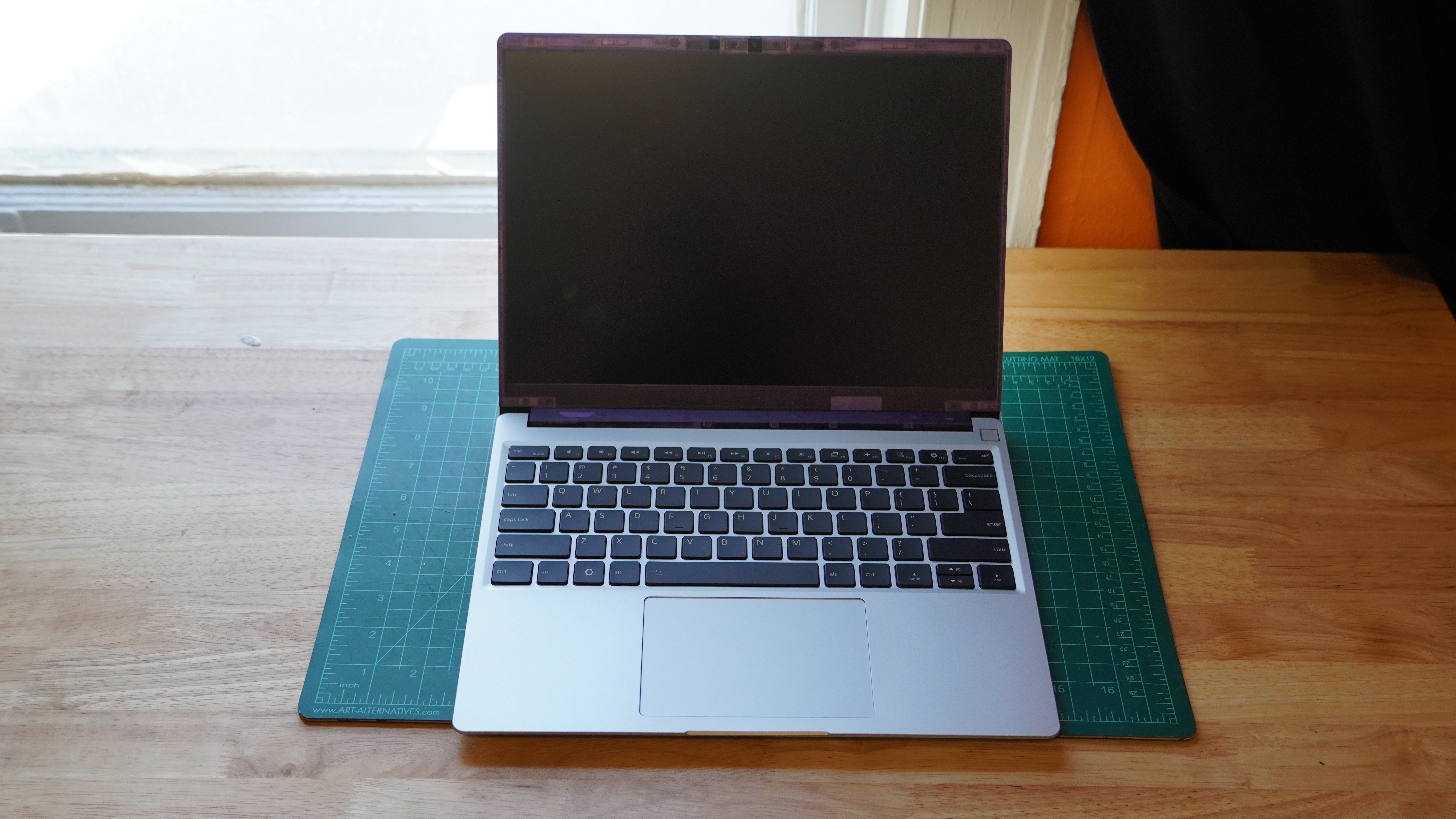
We’re also seeing this unfold in real time. Framework, a laptop company known for its modular and scalable designs, has increased the price of RAM on its website not once, but twice now.
The timing really sucks
Not only is RAM becoming rarer and more expensive with each passing day, but many laptop manufacturers have removed the ability to upgrade memory. This change was gradual and normalized long before memory became so volatile, but it happened.
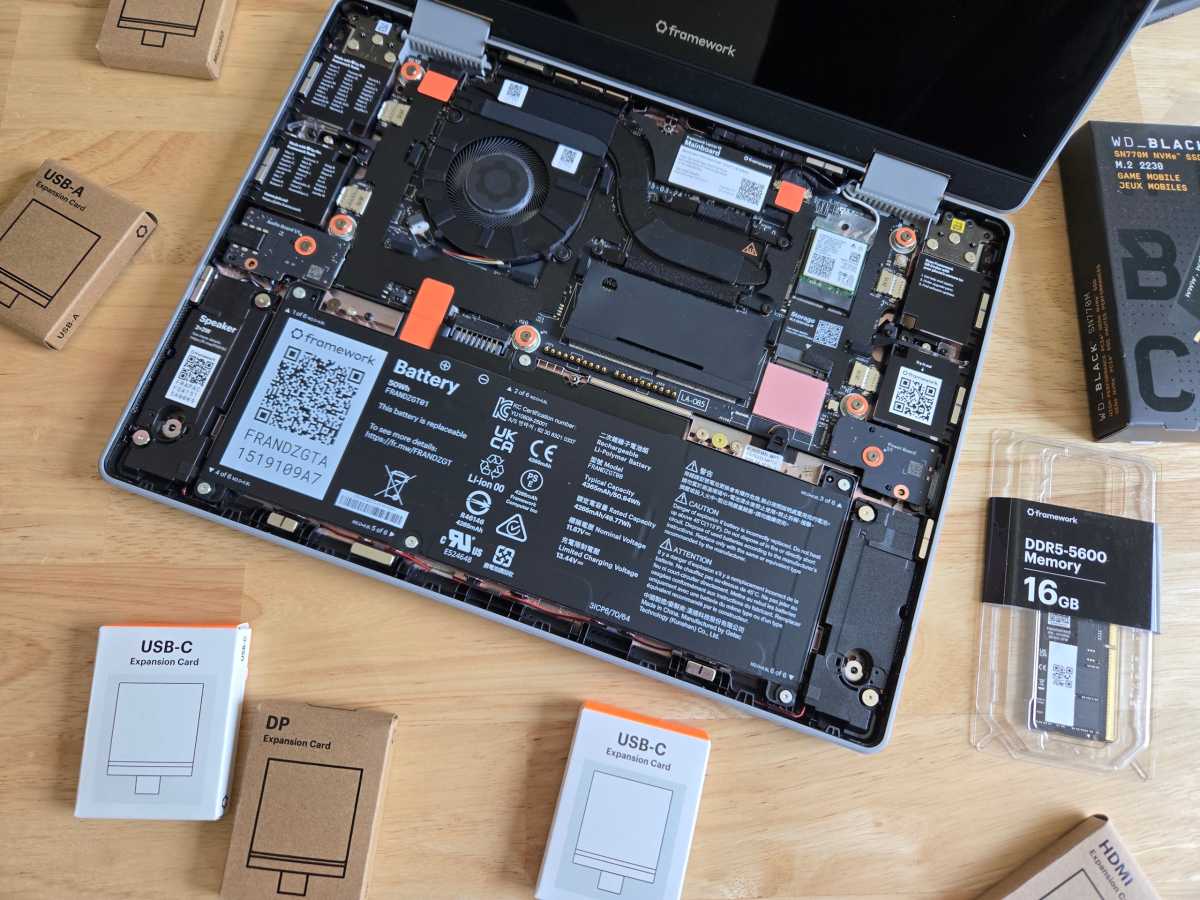
Buying a base model of laptop and upgrading the memory later was the norm. At the time, RAM was cheap enough that upgrading later wasn’t a big deal. Now, many laptops have memory soldered on, so you’re kind of stuck with the configuration you buy. In other words, you get what you get and you don’t get upset. What was once a market problem is starting to look more like a design problem.
Why laptops are no longer upgradeable
While the full answer is more nuanced, the bottom line is that thinner laptop designs provide less room for modular parts that can be removed and replaced. This means harder to upgrade.
There is also the commercial aspect. If you can’t upgrade later, you’re more likely to pay more for additional RAM.
Chris Hoffman / Foundry
There are also real technical reasons behind this change. Soldered RAM can be positioned closer to the processor, improving power efficiency and reducing latency. (This is important for battery life.) Fixed memory also helps with heat management, which is important in thin laptops that don’t have a lot of available space. If you want performance, it has to stay cool to work well.
Where does the AI boom fit into all this?
The AI boom didn’t happen create this scalability problem, but this intensified it. When memory was cheap and plentiful, soldered RAM almost seemed like a reasonable compromise. But the second RAM became expensive and hard to find, cracks in the armor began to appear.
You can’t wait for this one to end either. With RAM soldered in place, there is no option to buy now and upgrade later when prices (hopefully) drop. The AI boom revealed an assumption that haunted modern laptop design: Memory would always be cheap and easy to buy. Oh, sweet summer child…

William Potter / Shutterstock.com
And then there are AI data centers, which suck up huge amounts of RAM. This demand is passed on to consumers. To cope with this sudden increase, laptop manufacturers and manufacturers are having to adjust how they manage their inventory, which affects prices for us normal people. For example, Lenovo keeps a lot of RAM in the hopes that it will help keep laptop prices low.
What does this mean for us?
RAM prices are getting so crazy that some people are trying to find crazy workarounds. A modder takes memory chips from old laptop RAM and solders them onto a custom desktop DIMM to save money. This is, however, a fairly extreme example. And everyone?
If you’re the type of person who just browses social media and watches YouTube, a RAM shortage could mean paying an extra $50 to $100 for the specific configuration you want.
Chris Hoffman / Foundry
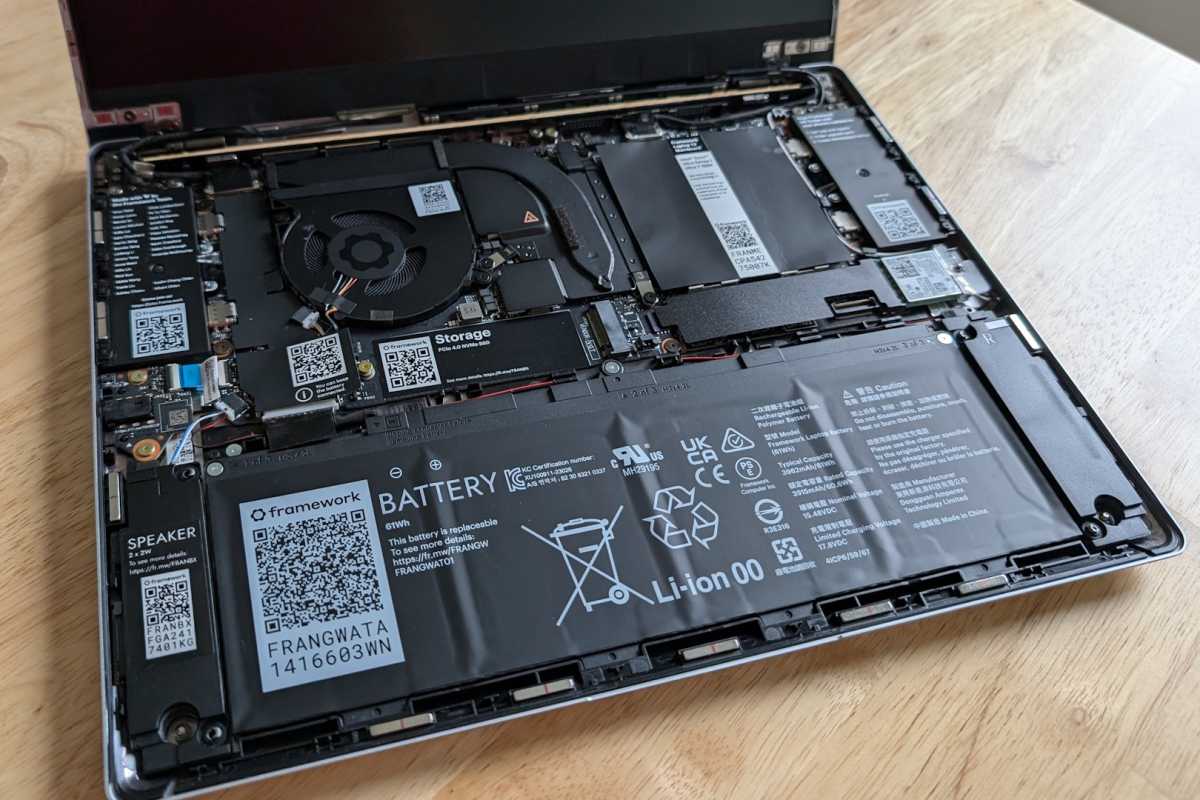
But for experienced users? Well, this is where things could get a little dicey. If you’re trying to edit short videos or run sophisticated AI features, those 8GB of soldered RAM will likely struggle, which is a problem because upgrading later isn’t an option. Your only options are to swallow the higher upfront cost on a more powerful laptop or deal with the compromised performance. For people who push their machines harder than average, the limitations will be even more obvious.
What was once a minor inconvenience is now a real headache. Higher prices and less choice? What a buzzkill.
Is laptop expandability dead?
The current RAM shortage doesn’t kill the upgradeability of laptops, but it does reveal how inflexible most modern laptops have become. Your choices are limited, period.
That said, there is always a glimmer of hope. Framework laptops prove that upgrades still matter: it’s all about putting power and control back in the hands of the user. The main thing to remember? Don’t take flexibility for granted.


