Many CDC databases are not being updated, most related to vaccines, study finds


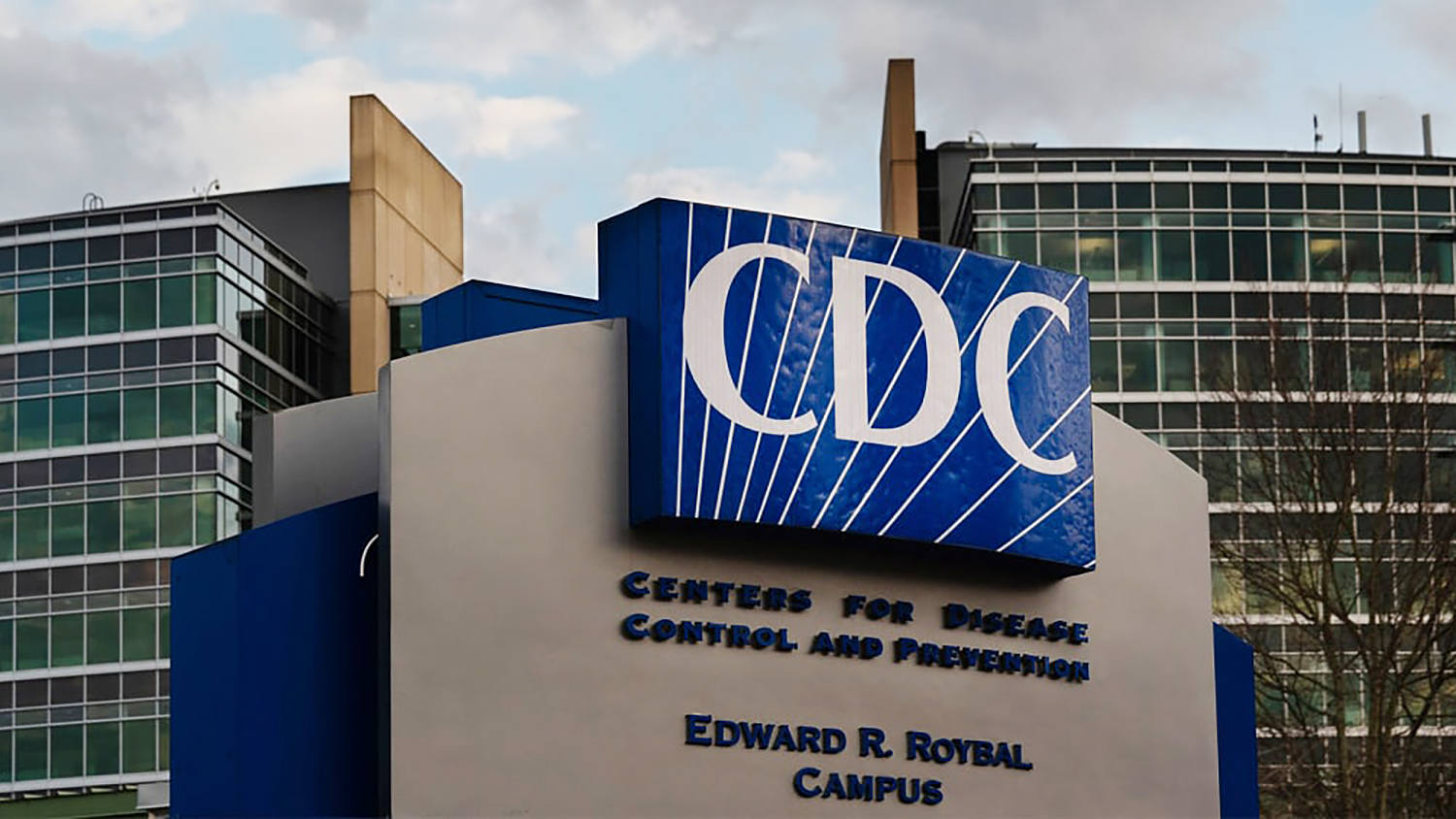
Nearly half of the databases that the Centers for Disease Control and Prevention regularly updated — the surveillance systems that tracked public health information such as Covid vaccination rates and hospitalizations for respiratory syncytial virus — have been suspended without explanation, new research shows.
The findings, published Monday in the journal Annals of Internal Medicine, indicate that as of early 2025, the CDC maintained 82 databases updated at least monthly. But by the end of October, the study found, 38 of them had become obsolete, and 34 of them had no new entries in the previous six months.
“These unexplained pauses began primarily in March and April 2025, shortly after Mr. Trump assumed the presidency and Mr. Kennedy was confirmed as Secretary of Health and Human Services,” the researchers wrote.
Although the CDC is perhaps best known for issuing public health advisories and recommendations, the agency also plays a key role as a national record keeper, tracking the spread of infections and vaccination in as close to a timely manner as possible.
But the CDC appears to be moving away from this part of its work, the new research suggests. The study found that almost 90% of suspended databases were related to vaccinations.
As examples, study author Dr. Jeremy Jacobs, an assistant professor at Vanderbilt University, cited a database that tracked weekly Covid vaccinations among pregnant women and another that tracked Covid vaccinations among all U.S. adults (with breakdowns based on demographics and geographic region). Both were last updated in late April, he said.
Other outdated databases have looked at respiratory illnesses treated in emergency departments and the use of an injectable drug that may protect infants from RSV.
“It is curious that all of these changes are primarily and almost exclusively in the area of vaccination,” said Noel Brewer, another study author and professor of public health at the University of North Carolina at Chapel Hill.
“At first glance this all seems quite deliberate, but we’re not sure why these websites have remained silent,” he said.
Andrew Nixon, a spokesperson for the Department of Health and Human Services, said the CDC reports Covid and RSV activity through its respiratory virus surveillance systems and reports weekly flu activity through a database called FluView.
“Changes to individual dashboards or update schedules reflect routine data quality and system management decisions, not policy direction,” Nixon said in a statement. “Under this administration, public health data reporting is driven by scientific integrity, transparency and accuracy. »
Without current information from these databases, several public health experts said, it is harder to know what vaccination coverage looks like on a national or regional level – which, in turn, can make it more difficult to manage new outbreaks.
Dr. Lisa Lee, senior associate vice president for research and innovation at Virginia Tech, spent 14 years at the CDC, including as scientific director of the agency’s Office of Surveillance and Epidemiology. She said local health officials often rely on CDC databases to guide their responses to public health crises.
“If, for example, we see wild polio again in our country because we have reduced the use of vaccine, it is the surveillance system that gives us that information,” she said.
Dr. Jeanne Marrazzo, executive director of the Infectious Diseases Society of America, wrote in an editorial also published Monday in Annals of Internal Medicine that the lack of updates — intentional or not — demonstrates “a profound disregard for human life.”
“The evidence is overwhelming: the administration’s anti-vaccine stance has disrupted the reliable flow of data we need to protect Americans from preventable infections,” she said. Marrazzo served as director of the National Institute of Allergy and Infectious Diseases until September, when Health Secretary Robert F. Kennedy Jr. fired her. She is suing Kennedy and other Trump administration officials, alleging she was fired in part because of her strong defense of vaccines.
In the new study, the authors — a team of medical and public health experts and a law professor — suggest that the CDC may have stopped updating the databases because of reductions in its workforce, budget cuts or a change in attitudes toward vaccines among federal health officials.
Their findings reflect a broader trend of changes to the CDC website, some involving unreliable information that contradicts scientific consensus.
“This is particularly concerning, given the broader context. Misinformation about vaccines and their safety is being disseminated through official HHS channels by non-healthcare professionals,” Lee said.
In November, a web page that unequivocally stated that vaccines do not cause autism was rewritten to say that “studies have not ruled out this possibility.” This message flies in the face of decades of scientific research that has found no link between autism and vaccines. Prior to this, the CDC removed terms relating to gender identity and diversity, equity, inclusion, including information about HIV and contraception.
The website changes are part of a broader overhaul of the nation’s public health agencies under Kennedy’s leadership. In the year since he became health secretary, the United States stopped recommending routine Covid shots for healthy children, cut funding for mRNA vaccine research, and overhauled the childhood vaccination schedule to include fewer universal recommendations. Kennedy also fired the CDC’s previous committee of vaccine advisers and replaced them with a group that has widely expressed skepticism about vaccines. In December, the new panel reversed a decades-old recommendation to vaccinate all newborns against hepatitis B.
“It pains me to say that we really need to look at some of these recommendations with caution,” Marrazzo said. “If I were a parent, I would trust my board-certified pediatrician, who I hope is a member or aligned with the American Academy of Pediatrics.”
The academy released its own guidelines for childhood vaccines on Monday, which are similar to the schedule recommended by the CDC before Kennedy announced sweeping changes earlier this month.


