Baristas Are the Brand | The Nation


Activism
/
January 28, 2026
The future of Starbucks depends on its workers.
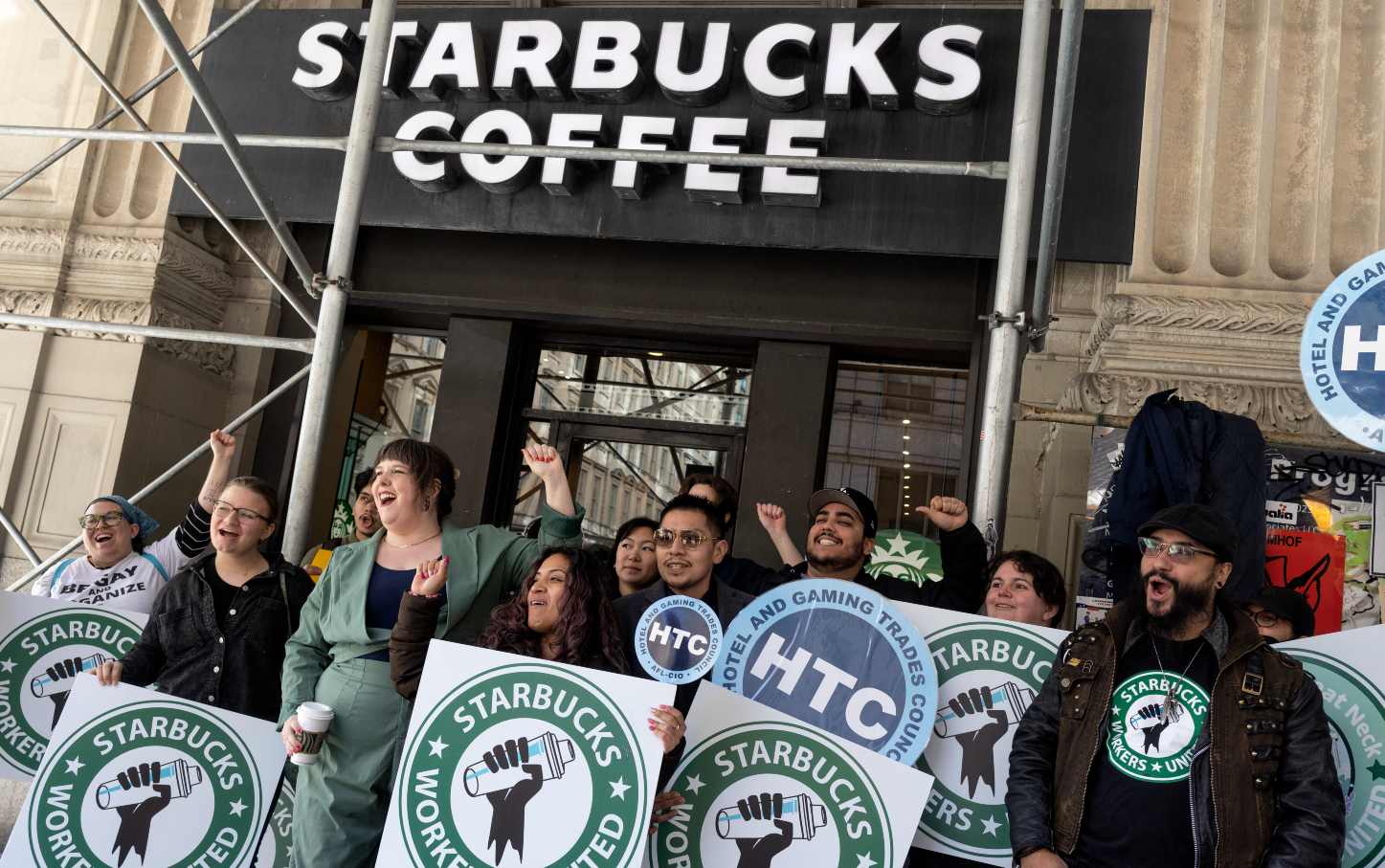
When Starbucks’ unionized baristas walked out last November, they were asserting a fundamental truth about Starbucks itself: Workers are not incidental to the coffee chain’s experience. They are the experience.
From the speed and care with which a drink is prepared to the warmth of a familiar welcome in a neighborhood store, the value of the Starbucks brand is built on the skills and hard work of workers. Customers don’t come back just for a logo. They come back for the experience – the experience provided by the workers.
Yet in the United States, the baristas who make the coffee giant what it is are too often treated as costs to be minimized rather than assets in which to invest.
Current number
Baristas represented by Workers United, who are currently on strike over unfair labor practices, have made it clear what they are fighting for. Chronic understaffing forces workers to scramble to meet demand, compromising both work quality and customer service. The average barista doesn’t make a living wage: the starting wage in 33 states is $15.25 an hour. It’s only $16 an hour in 10 other states. Schedules fluctuate with little notice, making it difficult for workers to plan their lives or consistently meet the 20-hour threshold required to access the benefits their employer is proud to advertise.
This instability is compounded by Starbucks’ 150% availability rule, which requires baristas to be available 150% of the hours they are actually scheduled to work. With fluctuating schedules, this roundabout method of controlling workers’ time effectively puts them on call just to make ends meet.
And when workers organize to solve these problems collectively, they face not good faith negotiations but aggressive resistance, accompanied by a mountain of labor law violations.
Insecure hours, low wages and understaffing are clearly harming workers. They also erode the quality, care and consistency that Starbucks customers expect in the first place. A company cannot credibly promise community, comfort and connection while its employees live in instability and insecurity.
Starbucks CEO Brian Niccol touted the company’s efforts toward a “turnaround.” But any serious change must begin with recognition of baristas’ fundamental human right to organize and collectively negotiate the conditions that shape their work. Baristas are at the center of the customer experience. No strategy will succeed if Niccol continues to view the union contract as an obstacle rather than a foundation of brand strength, quality and stability. Baristas are the business model.
Starbucks has the distinction and resources to lead rather than obstruct. It presents itself as a leading employer that provides opportunities and cares about its workers. But values are not measured by slogans or employee benefits brochures. They are proven by a union contract that guarantees access to benefits, fair wages, stable hours, and protection against retaliation for unionizing.
A union contract would strengthen Starbucks, not weaken it. This would stabilize staff and reduce turnover, allowing baristas to build both their careers and their lives. A constructive relationship with Workers United could also improve operations. Baristas understand daily operations better than anyone, and when employees have a say, the customer experience improves.
Striking baristas are not asking Starbucks to become something it is not. The Starbucks brand and distinction has always been about the customer experience, and it is the baristas who make that experience possible.
Starbucks can and must do better. It should live up to its claim of being the “best job in retail”. It should invest in its workers, support their human right to collective bargaining and choose a future with its unionized baristas rather than one based on precarity.
If Starbucks truly believes that people matter, it should start by honoring those who make the coffee.
More than The nation
Minneapolis right now reminds me of what I saw during my time in the West Bank.
Ariel Gold
The courageous protesters in Minneapolis are doing everything the Democrats and even the law have failed to do.
Elie Mystal
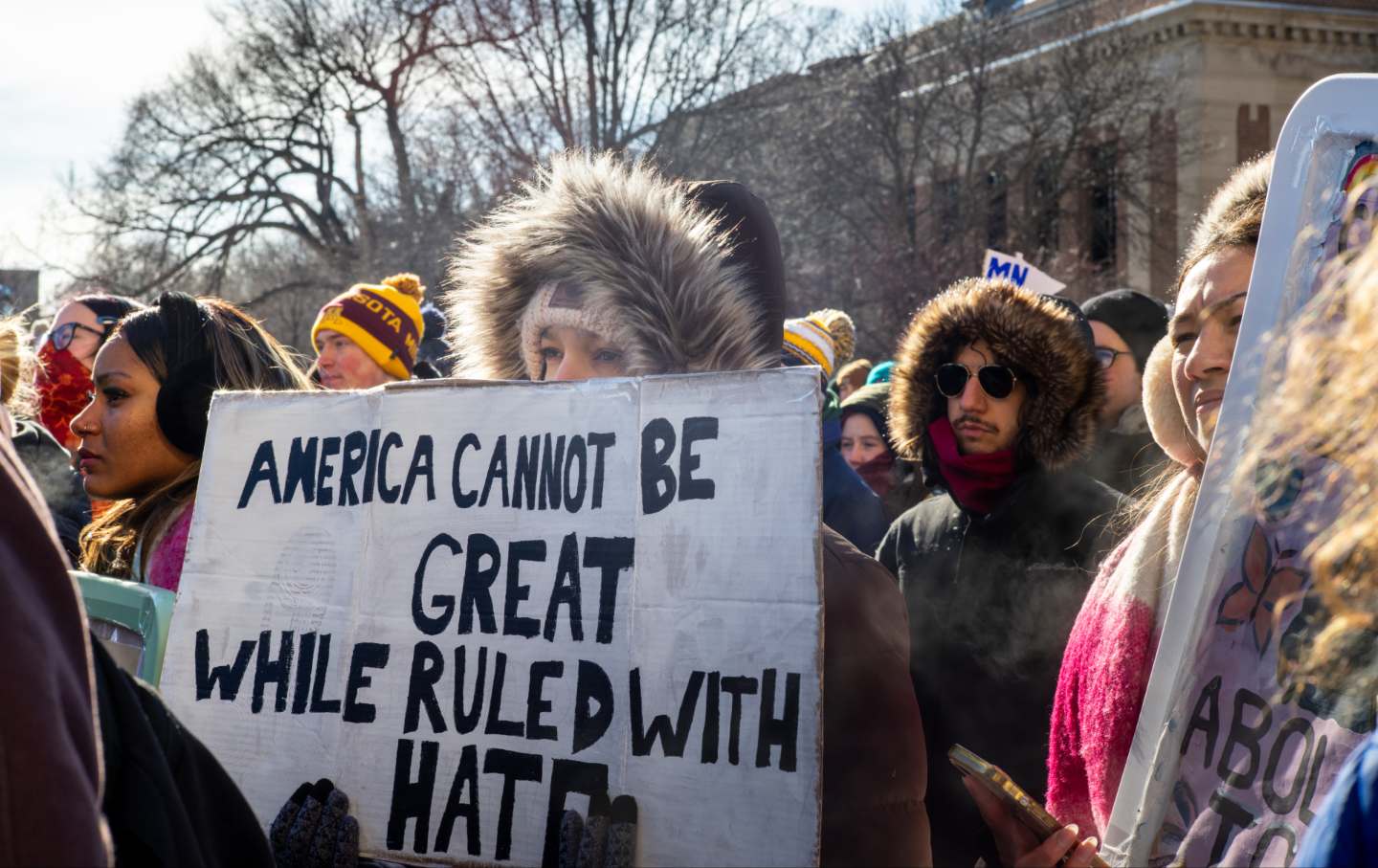
With their resistance to violent authoritarianism, Minneapolis residents renewed the spirit of Dr. King’s call for “the positive affirmation of peace.”
The editors
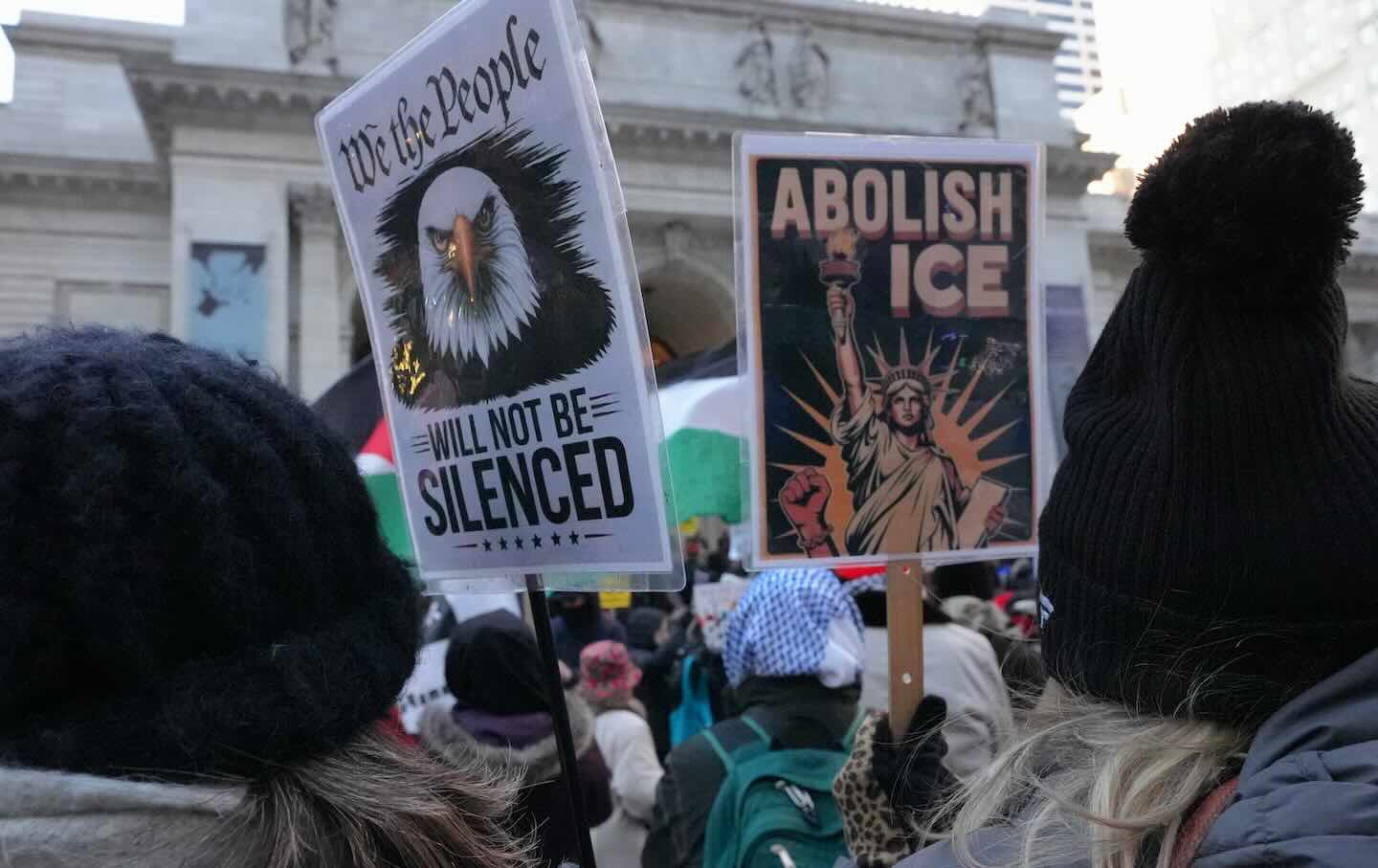
I want you to know why I choose to continue fighting for the world you deserve.
Adrian Wright
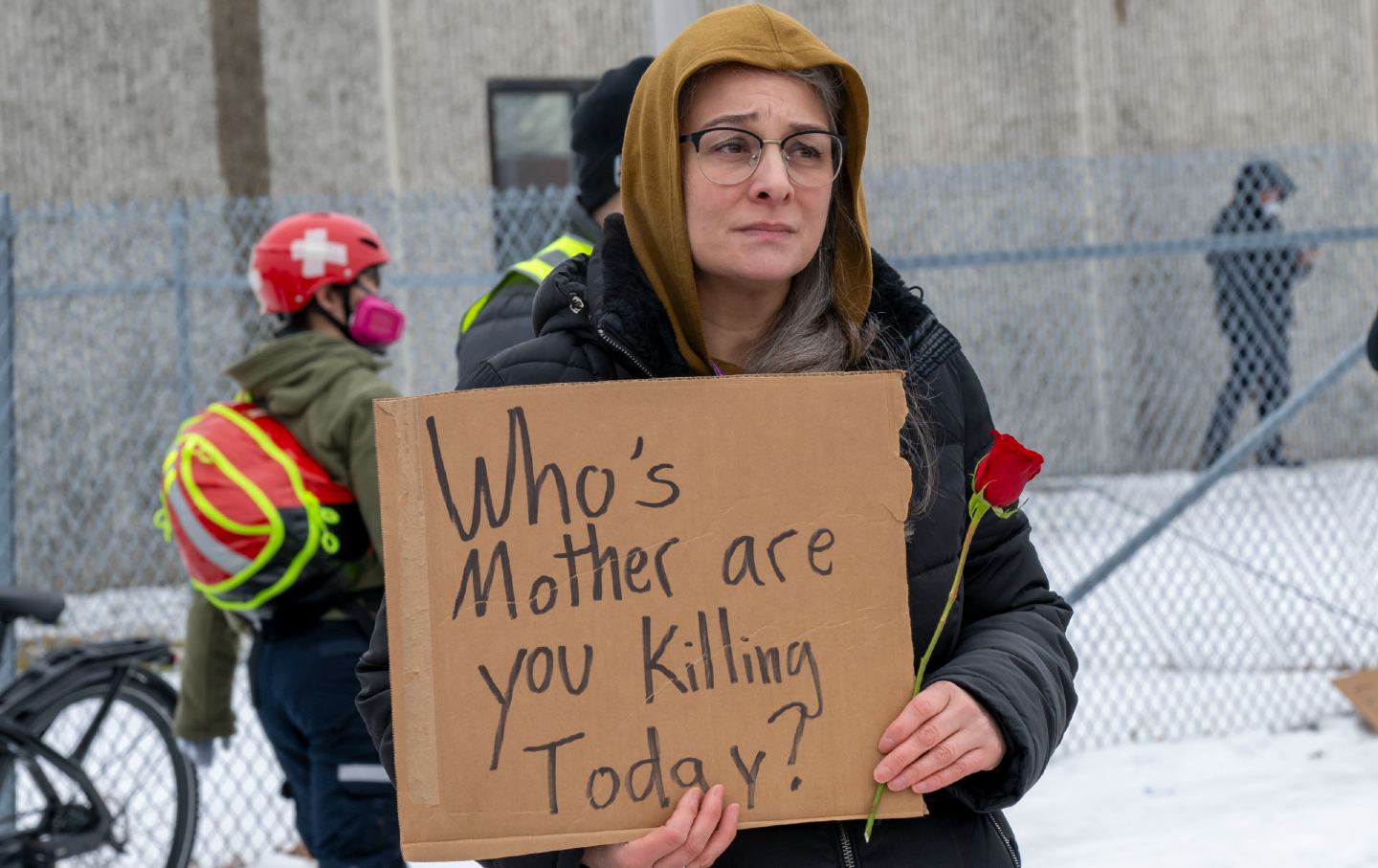
Gender is not just a matter of individual identity. It’s a focus of governance – and last year, through a series of policies, the Trump administration punished women.
Soraya Chemaly
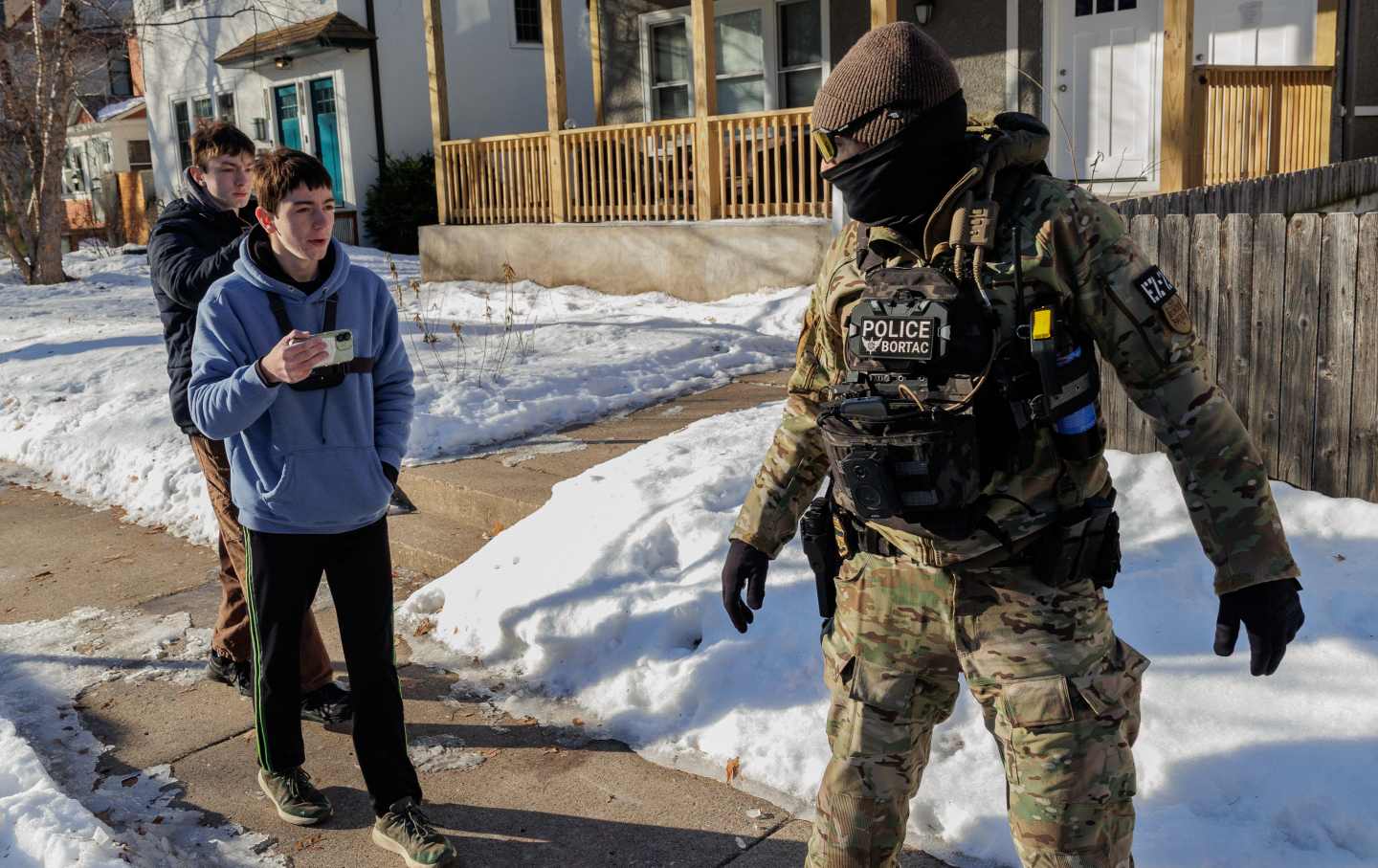
Across the country, neighbors are working together to protect each other from Trump’s immigration crackdown.
Michelle Chen


