Linux has a price, it’s just not money


If you don’t have $100 (or more) for a standalone Windows license, you can download any Linux distribution for free right now and have a working computer in just a few minutes. Howeverthe cost of something can be measured in more than just dollar bills, and Linux ends up costing you more in many ways than a commercial operating system like Windows or macOS.
You pay over time before you save it

In 1998, programmer Jamie Zawinski said: “…Linux is only free if your time has no value…” and that’s about as perfectly as anyone could have said it. Of course, in the late 90s, installing and configuring Linux was a nightmare. Maintaining it as a desktop operating system is only slightly less so.
We’ve come a long way since those days, and installing, configuring, and maintaining Linux is generally no more difficult than Windows. However, unless Linux is your first operating system, there is always a time debt when switching. You have to learn new things, unlearn some old things, and it will take time to settle into a daily driving routine that works for you.
In rare situations when something goes wrong, troubleshooting may also take longer, even if you are quite good at fixing Windows problems. Linux has so many fundamental differences under the hood that there aren’t many transfers. Once you get over the hump, everything evens out, but that hump will still cost you.
You assume responsibility that the operating system will not bear for you

Lucas Gouveia/How to Geek
If you’re coming from Windows or macOS, you might not be ready to understand how Linux assumes you’re an adult who thinks before copying a command into the terminal, messing with file permissions, or failing to check that you’re not recursively deleting things you didn’t want.
You need a change in attitude as soon as you leave the basic workflow of using the desktop, where not taking things seriously enough can end up costing you data and even more time to restore, reinstall, or fix a problem you caused, because Linux did exactly what you told it to do without hesitation. With great power comes great responsibility. Uncle Ben’s advice even works for Linux, not just superheroes.
Compatibility becomes your permanent tax

Linux is certainly on the rise in terms of desktop market share, but it’s still a small niche compared to Windows and even macOS. This is why you should carefully select the hardware you use for a Linux PC, as not all hardware manufacturers can justify spending time developing proper Linux drivers.
Of course, the community also contributes greatly when it comes to drivers, but even with the army of Linux volunteers going offline, those resources are better spent on more popular hardware.
So Linux could end up costing you more in terms of changing hardware or making hardware decisions not on what works best or offers the best deal, but on what is most compatible with Linux itself.
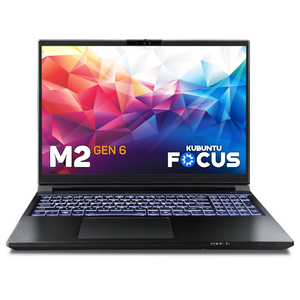

8/10
- Operating system
-
Kubuntu 24.04 LTS
- Processor
-
Intel Core Ultra 9 275HX (2.7 GHz up to 5.4 GHz)
- GPU
-
NVIDIA GeForce RTX 5070 Ti (dGPU), Intel Graphics (iGPU)
- RAM
-
32 GB 262-pin dual-channel DDR5 SODIMM (5600 MHz)
Problem solving replaces customer support
Now, to be clear, you can absolutely get professional support for Linux. This is the entire business model of enterprise Linux companies like Red Hat. For desktop users, there are services like Ubuntu Pro where you can get help from paid customer support technicians.
However, most desktop Linux users don’t do this and must get all their technical support from the Linux community. This isn’t a bad thing in itself, but it means you’re doing your own technical support as unpaid work. If you have a Windows or macOS license, for example, you are entitled to support from each company’s respective help desk.
Say what you want about these services, but I’ve seen Windows and macOS users in my life be helped within minutes by customer support to resolve an issue, and by and large this option doesn’t exist for most Linux distributions in the same way. Even without access to official customer support, thanks to the popularity of Windows, it’s simply faster and easier to find answers on forums and other community resources.
The system returns exactly what you put
So when will Linux start paying for itself? There’s a strong argument that you get a lot of positives up front, which need to be weighed against the hidden costs I’ve listed above. You’re safe from spying, telemetry, unwanted updates, advertising, and many other annoyances that are an integral part of the Windows experience these days.
Remember that “free” in Free and Open Source means “freedom” and not “free lunch”. Switching to Linux is not at all about saving $100 to avoid paying for a Windows license. In fact, these days you can use Windows legally without paying, because Microsoft places virtually no restrictions on an unactivated copy of its operating system. So, for example, there’s no financial reason to choose Linux over Windows for something like a Plex server.
The value of Linux is in this freedom, but you need to know what it will actually cost you.


