Here’s how this 87-year-old triathlete keeps her heart strong : NPR

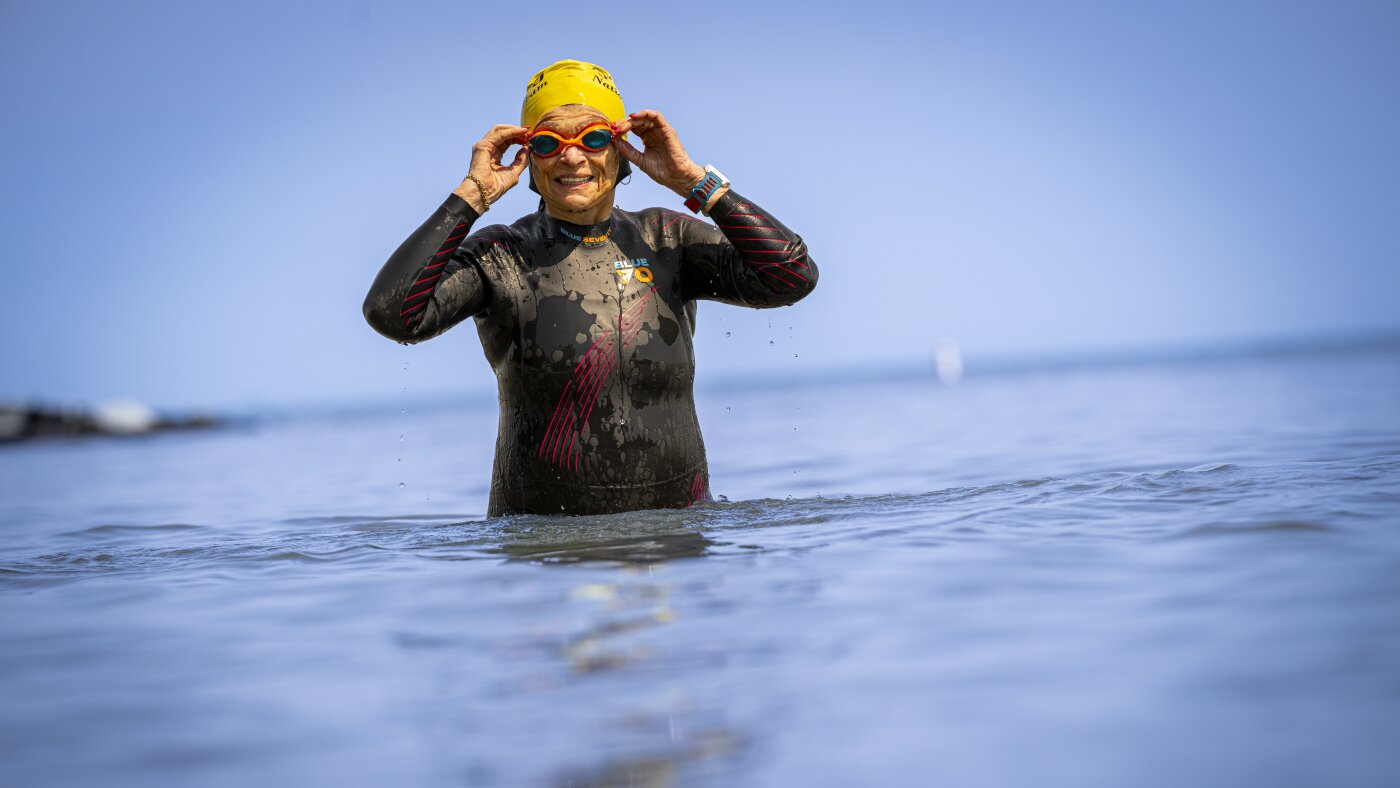

Luise Easton continued to compete in triathlons into her 80s despite suffering from heart problems.
Shawn Green Clinic/Cleveland
hide caption
toggle caption
Shawn Green Clinic/Cleveland
With the Winter Olympics starting this week, the focus on world-class athletes might motivate some of us to get off the couch and get moving more.
And if you think you’re out of shape or being asked too much to accomplish a physical feat, take it from Luise Easton, 87: you may be capable of more than you think.
Easton competed in triathlons near her home in Cleveland, and she still does. “When I was 80, I won in Denmark,” she says. She also won a medal in Ibiza in 2023. “It feels good,” she says with a girlish laugh.

“There’s not a lot of competition in my age group,” she admits, so it’s a little easier to come first, but it’s just as exciting. “You always get on the podium and everyone applauds,” she says.
Staying sporty as you get older of course has its challenges. Like most Americans over 60, Easton suffers from chronic health problems – including some heart problems – that require treatment and monitoring. But she addressed them proactively.
Want the latest stories on the science of healthy living? Subscribe to NPR Health report.
And his story shows the benefit of focusing on early diagnosis and treatment, combined with smart choices and awareness of evidence-based lifestyle habits that can slow or prevent chronic heart disease. These steps can help you improve your health at any age.
A warning signal
Easton has always been active. In high school, she attended a school where girls played basketball and field hockey. But five years ago, she feared her athletic days were behind her when she started feeling out of breath during workouts. She made an appointment with a sports cardiologist at the Cleveland Clinic.

Easton was examined by Dr. Singh at the Cleveland Clinic.
Lisa DeJong/Cleveland Clinic
hide caption
toggle caption
Lisa DeJong/Cleveland Clinic
“They did all kinds of tests and found out my heart wasn’t as strong as it should be,” Easton says. Doctors measured their ejection fraction, or EF, which is an estimate of how much blood a person’s heart pumps with each heartbeat.
Hers was lower than normal, a sign that the heart is not pumping efficiently enough to meet the body’s oxygen needs. She also had abnormal rhythms.
Several medications can help, including beta blockers, ACE inhibitors, and angiotensin receptor blockers, which also help lower blood pressure. Easton takes medications that help regulate his heart rate and keep his muscles functioning as efficiently as possible.

But her doctors also wanted to help her stay active.
“We know that exercise helps the heart,” says Dr. Tamanna Singh, a sports cardiologist who treated Easton.
She helped her modify Easton’s training program, “incorporating more recovery time” and adjusting exercise intensity and volume. “I think all those things helped her be able to continue running,” Singh says.
Easton’s shortness of breath was a warning sign. Rather than assuming it would go away — or assuming her racing days were over — she received the medical care that helped her stay in the game. And Easton says she focuses on eating healthy and prioritizing rest.
There’s a lesson here for all of us would-be weekend warriors wondering what our bodies can handle.
“It’s really a reminder of our innate ability to do things that we’re passionate about,” says Dr. Victoria Maizes, an integrative medicine expert and author of a new book, Heal faster. “We have this built-in recovery system that helps us recover from a wide range of conditions.”
Avoidable problems
Although heart disease is the leading cause of death among men and women in the United States, a new survey from the Cleveland Clinic finds that one in four adults don’t realize they are at risk, even though the vast majority have risk factors, such as high blood pressure.
But if you choose to do something about it, Maizes says here’s the good news.
“Nearly 80% of heart disease can be prevented through lifestyle changes,” she says. “Many people don’t realize how much action they actually have to reduce their risk.”
From quitting smoking to changes in daily habits that can make a difference. “What you eat, when you eat, how much exercise or movement you do, and managing your stress,” she says.
Maizes pointed to a study that found the heart health benefits of time-restricted eating, which means limiting the number of times you eat each day to about 10 hours per day.
Maizes’ approach to patients combines conventional medicine, using all the tools of traditional medications and therapies, with lifestyle interventions and complementary therapies, such as acupuncture and stress reduction techniques.
Luise Easton says she has no illusions that she can run, bike and swim forever. “I’m 87 now, so as I get older, everything I do is a little more difficult,” she says.
But she doesn’t give up. When it comes to competition, she has adjusted her expectations. “Now, instead of running, I walk. But there’s no rule against walking,” she says, her brisk tone intact.
She may be slower, but she’s still in the race.

Luise Easton poses with some of her triathlon medals at home. Despite heart problems, she still plans to continue her training.
Lisa DeJong/Cleveland Clinic
hide caption
toggle caption
Lisa DeJong/Cleveland Clinic
6 Tips to Stay Active and Healthy
If you want to emulate Easton, here are some tips for staying active and healthy as you age:
Find a workout buddy: “I don’t like training alone,” says Easton. Over the years, depending on the activity, she participated in group workouts, or found a friend to train with. She also hired coaches to help her compete. If it’s not in your budget, find a local cycling or running group. Practicing with other people can help you stick with it.
Set a specific movement goal: Easton was motivated by the lure of competing in Ibiza. Winter training in Cleveland is easier if you imagine the dreamy blue waters of the Mediterranean, the hills scented with pine and olive trees. Having a specific date and event helps you organize around that goal.
Maintain a flexible approach: It is important to stay positive and optimistic. “A lot of it comes down to mindset, discipline, self-motivation and drive,” despite the inevitable challenges of aging, says Singh. Older athletes can be successful, she says, in part because they bring more life experience to overcome obstacles. Just like Eaton now walks instead of runs, it’s important to pivot and adjust when you can no longer compete at the same level.
Use portable devices to track progress: From the Apple Watch to Oura Rings, there are plenty of ways to peer inside your body and track metrics like sleep, exercise, and heart rate variability, which is a window into how you deal with stress. “Wearable devices give you personal information about how you sleep, how you move, what your heart rate variability is,” says Maizes. “These can be very useful tools.”
Follow preventive screenings: Many people ignore warning signs because they lack access to quality health care or are hesitant to seek medical attention. America’s fragmented health care system is often referred to as “disease care” because the model relies on providers being paid to improve the health of sick people, rather than to keep them healthy.
But there are many preventive tests required for coverage by the Affordable Care Act, usually without out-of-pocket costs. And it’s worth staying informed, Maizes says. They include cancer, blood pressure, cholesterol and mental health screenings, as well as counseling for people with diet-related illnesses.
Consider more specialized tests: Maizes recommends that people at risk for heart disease consider options for more comprehensive heart screening, including tests taken from blood samples, measuring apoB and lipoprotein(a), which can provide a more detailed assessment of cardiovascular risk, inflammation and metabolic health. These tests will require out-of-pocket payment, usually beyond what insurance can cover.


